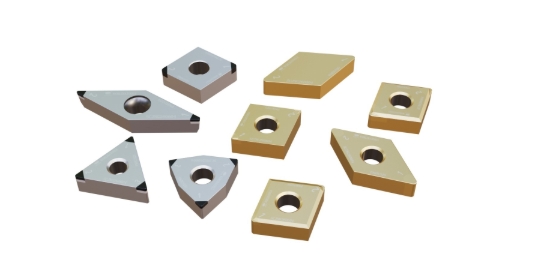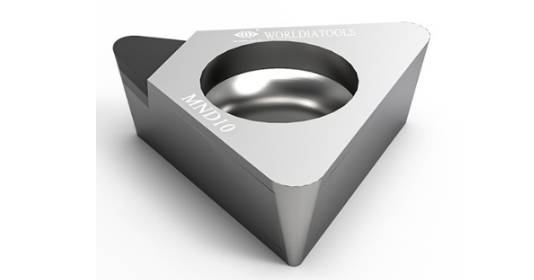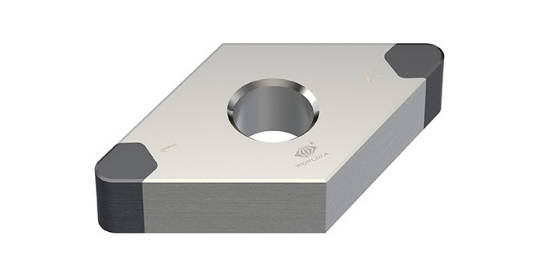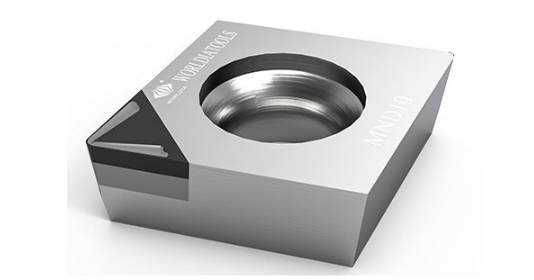

Czym jest przyrząd do obciągania ściernic i jak działa?
Narzędzie do obciągania kół to kluczowe narzędzie stosowane w pracach szlifierskich. Utrzymuje kształt, krawędź i wydajność ściernic w dobrym stanie. Narzędzie zapewnia czystość i prawidłowy kształt szorstkiej powierzchni, co pozwala na precyzyjne cięcie. W zakładach produkcyjnych, gdzie dokładność wymiarowa i jakość powierzchni mają największe znaczenie, solidne narzędzie do obciągania ściernic pomaga zwiększyć wydajność i poprawić jakość gotowych wyrobów.
Jak działa narzędzie do obciągania ściernic w procesach szlifowania?
Głównym zadaniem narzędzia do obciągania ściernicy jest nadanie nowego kształtu i wyostrzenie jej powierzchni. Podczas szlifowania szorstkie ziarna ściernicy ścierają się lub zostają zablokowane przez wióry. Prowadzi to do powstania glazury na powierzchni. Obciąganie usuwa zużyte ziarna i wydobywa nowe, ostre krawędzie. Przywraca ściernicy jej zdolność skrawania. Utrzymuje również stały kontakt z przedmiotem obrabianym.
W codziennym użytkowaniu, staranne obciąganie usuwa nierówności, które mogłyby powodować drgania lub szorstkość powierzchni. Stopień ten pomaga również utrzymać odpowiednią równowagę podczas szlifowania z dużą prędkością. Na przykład diament CVD to idealny materiał, który w przyszłości zastąpi diament naturalny. Prostowanie i obciąganie odgrywają kluczową rolę w dzisiejszym procesie szlifowania. Usuwają one matowe ziarna, poprawiają ostrość, współosiowość i kształt ściernicy. To pokazuje, jak zaawansowane materiały diamentowe poprawiają wyniki nowoczesnych narzędzi do obciągania.
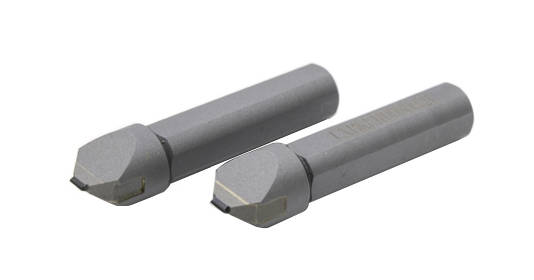
Rodzaje narzędzi do obciągania ściernic stosowanych w różnych zastosowaniach
Różne obciągacze ściernic są dostosowane do konkretnych potrzeb szlifowania.
- Jednopunktowe komody diamentowestosowane są do prac precyzyjnych, wymagających szczegółowej kontroli geometrii koła.
- Komody wielopunktowenadają się do ciężkich zadań szlifowania lub dużych objętości, ponieważ zapewniają większą trwałość i szybsze usuwanie materiału.
- Obrotowe komodysą stosowane w procesach automatycznych lub sterowanych numerycznie do ciągłego obciągania przy minimalnej ingerencji operatora.
Dlaczego ściernica wymaga regularnego obciągania?
Regularne czyszczenie jest niezbędne dla utrzymania optymalnej wydajności szlifowania. Bez niego nawet wysokiej jakości ściernice z czasem tracą swoją skuteczność z powodu zeszklenia lub nierównomiernego zużycia.
Co się dzieje, gdy ściernica nie jest obrobiona?
Kiedy koło szlifierskie Jeśli nie jest regularnie obrabiany, pojawia się szereg problemów. Powierzchnia staje się szklista, ponieważ zużyte ziarna ścierne nie tną skutecznie. Wynikające z tego tarcie zwiększa wytwarzanie ciepła. Ciepło to może uszkodzić zarówno obrabiany przedmiot, jak i elementy maszyny. Pogarsza się wykończenie powierzchni. Powoduje to niedokładności wymiarowe, które obniżają standardy kontroli jakości.
Problemy te nie tylko obniżają wydajność, ale również zwiększają koszty operacyjne ze względu na częste przeróbki lub przedwczesną wymianę narzędzi.
Korzyści z rutynowego czyszczenia ściernic w warunkach przemysłowych
Rutynowe obciąganie oferuje wiele korzyści. Przywraca ostrość ściernicy, zapewniając stałą wydajność cięcia. Wydłuża żywotność ściernicy i podzespołów maszyny poprzez redukcję obciążeń. Utrzymuje stałe tempo usuwania materiału. Poprawia to ogólną wydajność.
W branżach takich jak produkcja samochodów czy obróbka skrawaniem w przemyśle lotniczym i kosmicznym – gdzie tolerancje są niezwykle rygorystyczne – korzyści te przekładają się na wymierne oszczędności kosztów. Prostowanie i obciąganie odgrywają kluczową rolę we współczesnym procesie szlifowania. Ich celem jest usuwanie stępionych ziaren, poprawa ostrości, współosiowości i kształtu ściernic. To podkreśla, jak ważna jest regularna konserwacja dla osiągnięcia stabilnych wyników produkcyjnych.
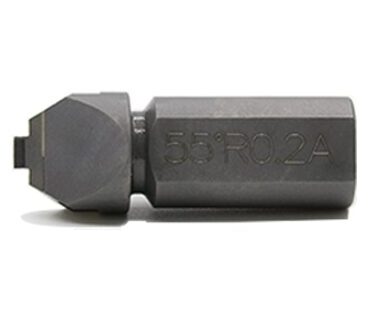
Jak wybrać odpowiednie narzędzie do obciągania ściernic do danego zastosowania
Aby dokonać właściwego wyboru obciągacza, należy zrozumieć parametry procesu szlifowania oraz właściwości materiału.
Czynniki wpływające na wybór narzędzi
Kilka czynników decyduje o tym, który typ obciągacza zapewni optymalne rezultaty. Rodzaj materiału ściernego – na przykład tlenek glinu lub węglik krzemu – wpływa na wybór twardości obciągacza. Rodzaj operacji szlifowania, czy to szlifowanie powierzchniowe, walcowe, czy bezkłowe, wpływa na geometrię obciągacza. Wymagany poziom precyzji decyduje o tym, czy należy zastosować obciągacze jednoostrzowe, czy obrotowe.
Wielopunktowa szlifierka diamentowa Supower CVD jest wykonana z diamentu CVD i wysokiej jakości, bardzo drobnego proszku metalowego, w procesie importu i automatyzacji, co zapewnia szlifierce Supower doskonałą powtarzalność jakości, wysoką wytrzymałość bazową i długą żywotność. To pokazuje, jak dobór materiału bezpośrednio wpływa na stabilność działania w różnych zastosowaniach.
Techniki maksymalizacji wydajności dzięki właściwym praktykom ubierania
Aby zapewnić maksymalną wydajność, dostosuj prędkość obciągania do twardości ściernicy i wielkości ziarna. Utrzymuj prawidłowe ustawienie obciągacza, aby zapobiec nierównomiernemu zużyciu. Skutecznie stosuj chłodziwo podczas obciągania, aby zminimalizować uszkodzenia termiczne.
Przestrzeganie tych najlepszych praktyk gwarantuje, że zarówno obciągacz, jak i ściernica będą pracować z maksymalną wydajnością, wydłużając jednocześnie ich żywotność.
Ekspertyza firmy Worldia w zakresie rozwiązań do pielęgnacji kół
W WorldiaŁączymy dziesięciolecia doświadczenia w technologii materiałów supertwardych z zaawansowanymi możliwościami inżynieryjnymi, aby projektować niezawodne rozwiązania w zakresie pielęgnacji ściernic, które spełniają współczesne wymagania produkcyjne. W stale rozwijającym się przemyśle wytwórczym, dążymy do udoskonalania naszych produktów i usług, aby sprostać Państwa potrzebom. Nasze zobowiązanie polega na dostarczaniu narzędzi, które odpowiadają ambicjom klientów w zakresie precyzji, niezawodności i opłacalności.
Co wyróżnia narzędzia do obciągania kół firmy Worldia?
Nasze obciągacze diamentowe wykorzystują najnowocześniejszą technologię CVD, zapewniającą wyjątkową trwałość. CVDD to czysty materiał węglowy bez spoiwa, charakteryzujący się ekstremalną odpornością na ścieranie i dobrą odpornością termiczną. Dzięki doskonałej krawędzi skrawającej nadaje się do zastosowań wymagających lustrzanego wykończenia. Ta właściwość pozwala naszym narzędziom zachować stałą wydajność nawet w trudnych warunkach.
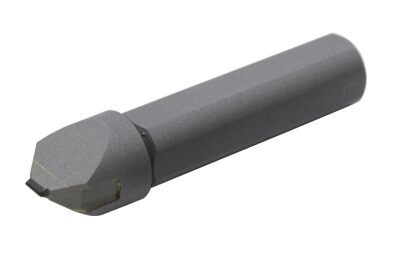
Każdy produkt projektujemy w oparciu o rygorystyczne systemy kontroli jakości, certyfikowane zgodnie z normami ISO 9001/GB/T 19001. Nasze zaawansowane zakłady produkcyjne wykorzystują sprzęt szwajcarski, niemiecki, amerykański i japoński, a także opatentowane systemy laserowe zaprojektowane specjalnie do obróbki materiałów supertwardych. Dzięki tym możliwościom gwarantujemy identyfikowalność od surowca aż po końcową kontrolę.
Nasze rozwiązania inżynieryjne minimalizują przestoje, a jednocześnie zwiększają efektywność kosztową — co stanowi kluczową zaletę dla klientów działających w konkurencyjnych sektorach, takich jak wykańczanie podzespołów samochodowych lub produkcja części lotniczych.
Aplikacje, w których narzędzia Worldia zapewniają niezawodne wyniki
Obciągacze diamentowe firmy Worldia obsługują różnorodne sektory przemysłu. Przemysł motoryzacyjny wymaga precyzyjnego wykończenia powierzchni elementów, takich jak koła zębate czy tarcze hamulcowe, gdzie istotna jest spójność tolerancji. Przemysł lotniczy i kosmiczny wspomaga obróbkę stopów żaroodpornych, wymagających doskonałej integralności powierzchni. Przemysł narzędziowy potrzebuje możliwości precyzyjnego przekształcania, niezbędnego do zachowania geometrii narzędzi w długich cyklach produkcyjnych.
Firma opiera się na szerokim portfolio narzędzi diamentowych PCD, CBN i CVD, dużej dostępności magazynowej z Niemiec oraz wsparciu technicznym na miejscu. Taka infrastruktura pozwala nam szybko reagować, oferując rozwiązania dostosowane do środowiska operacyjnego każdego klienta.
Często zadawane pytania
Q: Jak często należy czyścić ściernicę?
A: Regularne smarowanie zależy od częstotliwości użytkowania i rodzaju materiału. Felgi należy smarować zawsze, gdy spada ich wydajność lub powierzchnia wyraźnie się pogarsza.
Q: Czy można stosować dowolną obciągaczkę do wszystkich typów ściernic?
O: Nie. Różne materiały ścierne wymagają specjalnych typów obciągaczy. Użycie niekompatybilnego narzędzia może spowodować słabe rezultaty lub uszkodzenie struktury ściernicy.
P: Jakie są oznaki wskazujące na konieczność oczyszczenia ściernicy?
A: Widoczne szkliwienie na powierzchni, zmniejszona wydajność cięcia, zwiększone wibracje podczas pracy lub nierównomierne wykończenie obrabianego przedmiotu są sygnałami, że konieczne jest natychmiastowe przeprowadzenie obróbki.