
Was definiert die Zuverlässigkeit von PCD Mikrobohrer?
Warum sind PCD Mikrobohrer bevorzugt in der Präzisionsfertigung?
PCD Mikrobohrer dienen als Schlüsselwerkzeuge in Bereichen, die eine hervorragende Größengenauigkeit und Konsistenz erfordern. Diese Mikrobohrer zeichnen sich durch ihre ausgezeichnete Härte und Verschleißbeständigkeit aus. Sie behalten auch bei schnellen und heißen Bohraufgaben scharfe Schneidkanten. Die Steifigkeit von PCD reduziert das Biegen. Dies führt zu einer stabilen Lochqualität und exakten Größen über viele Produktionsargen. In der Präzisionsfertigung, wie in der Elektronik oder der Luft- und Raumfahrt, erhöht diese Stabilität die Leistung und reduziert fehlerhafte Teile.
PCD als Hauptmaterial bietet einen Vorteil gegenüber herkömmlichem Hochgeschwindigkeitsstahl (HSS). Es bewältigt Hitzestress ohne Härte abzufallen. Diese Eigenschaft erlaubt PCD Mikrobohrer gut beim Bohren in Materialien wie Edelstahl oder Titanlegierungen. Diese sind in medizinischen und Raumfahrtteilen üblich. Ihre zusätzliche Steifigkeit hält das Werkzeug auch bei kleinen Bohrungen gerade. Dies verhindert Schwingungen und verbessert die Glattheit von Bohrlöchern.
Wie die Materialzusammensetzung die Bohrleistung beeinflusst
Die Zusammensetzung von PCD Mikrobohrern prägt ihre Zuverlässigkeit und Schneidergebnisse. Feinkorner Wolfram PCD schafft einen engen und gleichmäßigen Aufbau. Dies erhöht die Festigkeit und die Kantenhaltung, was für kleine Arbeiten entscheidend ist, bei denen Werkzeugverschleiß Größenfehler verursachen kann. Der Kobaltbinder in der Mischung verleiht Haltbarkeit. Es hilft dem Bohrer, Risse oder Brüche bei ungleichmäßigen Schnitten oder beim Treffen auf harte Stellen im Material zu vermeiden.
Eine gleichmäßige innere Struktur sorgt für stabile Verschleißmuster. Es bietet eine zuverlässige Werkzeuglebensdauer in verschiedenen Materialien, von Aluminiummischungen bis hin zu harten Stählen. Diese Mischung aus Härte und Haltbarkeit macht PCD Mikrobohrer perfekt für schwierige Einstellungen, in denen die Genauigkeit nicht schwanken darf.
Wie Designfunktionen Präzision und Stabilität verbessern
Was macht die Geometrie von Mikrobohrern so kritisch?
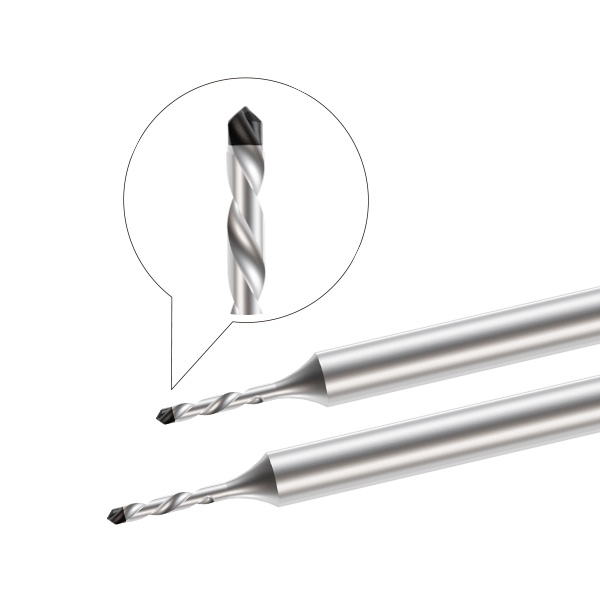
Die Form eines präzisen Mikrobohrers bestimmt seine Schneidgeschwindigkeit, Stabilität und Fähigkeit, Span zu reinigen. Gut gewählte Punktwinkel senken die Kräfte am Start. Sie schneiden den Randaufbau zurück, während sie die Rundheit der Löcher beibehalten. Ein intelligentes Helix Muster hilft einfache Chip Bewegung. Dies verhindert Blockaden, was sehr wichtig ist, um tiefe kleine Löcher zu machen.
Auch Flötenformen sorgen für einen ausgewogenen Schneid auf beiden Bohrseiten. Sie reduzieren Schütteln, die zu Werkzeugschnapps oder Größenfehlern führen können. Für hochgenaue Arbeiten wie die Herstellung von Leiterplatten oder das Schneiden kleiner Teile sind diese Formtweaks der Schlüssel zu stabilen Ergebnissen.
Die Auswirkungen von Beschichtungstechnologien auf die Langlebigkeit von Werkzeugen
Neue Beschichtungen helfen, die Werkzeuglebensdauer zu verlängern. Sie verbessern die Wärmetoleranz und reduzieren die Reibung zwischen Werkzeug und Material. Beschichtungen wie Titan-Aluminium-Nitrid (TiAlN) bilden einen Schild, der hohe Wärme durch schnelle Bohrungen verarbeitet. Die beschichtete Schicht verringert das Haften von Chips an Flötenseiten. Dadurch klären Chips reibungsloser mit weniger Wärmeanstieg.
Durch die Erhöhung der Oberflächenhähigkeit halten Beschichtungen die Kanten über lange Laufe scharf. Dadurch wird reduziert, wie oft Werkzeuge gewechselt werden müssen. Es hält auch die Lochqualität während der erweiterten Produktion konstant. Dies ist ein Muss für Felder, die enge Grenzen benötigen.
Leistungsfaktoren in Präzisionsmikrobohranwendungen
Wie beeinflusst die Feedrate die Genauigkeit des Loches?
Die Zufuhrrate fungiert als eine der empfindlichsten Einstellungen bei kleinen Bohrarbeiten. Zu hohe Zufuhrraten erhöhen die Schubkraft. Dies kann eine Abweichung von der geplanten Route oder sogar einen totalen Werkzeugausfall aufgrund von PCD verursachen. s fragile Natur. Die verwalteten Zufuhrraten ermöglichen eine gute Spannreinigung, ohne die Schneidkante zu stark zu belasten. Sie halten die Größenständigkeit über viele Löcher.
Eine gute Übereinstimmung zwischen der Zufuhrgeschwindigkeit und der Spindelgeschwindigkeit ermöglicht eine hohe Leistung und hält dabei die Präzision. Zum Beispiel bei CNC-Setups mit Diamant-Mikrobohrern oder PCD-Mikrobohrern für Elektronikaufgaben ist dieses Match von entscheidender Bedeutung. Es hilft, gleichmäßige Lochgrößen zu erzielen, ohne die Oberflächenqualität zu beeinträchtigen.
Die Rolle von Kühlmitteln und Schmiermitteln bei der Mikrobohreffizienz
Eine gute Kühlmittelversorgung ist der Schlüssel zur Entfernung von Wärme, die an der Schneidkante bei schnellen Betrieben entsteht. Die rechte Schmierung reduziert die Reibung zwischen Werkzeugflöten und Spannen. Dies verringert den Verschleiß auf beiden. In modernen Systemen fördern Spray- oder interne Kühlmethoden die Spannreinigung, was besonders bei zerbrechlichen Materialien wie Keramik oder Verbundwerkstoffen nützlich ist.
Eine stetige Kühlung verlängert nicht nur die Werkzeuglebensdauer. Es verhindert auch Hitzeschwellung, die Lochgrößen verzerren könnte. Für schneidbare Materialien wie Titanlegierungen oder Kohlefasermische hilft Schmierung mehr. Es fällt Schneidwärme ab und vermeidet Kantenanbau auf Präzisionsmikrobohrern.
Warum PCD Mikrobohrer sind für High-Tech-Industrien unerlässlich
Anwendungen in den Bereichen Elektronik, Medizin und Luft- und Raumfahrt
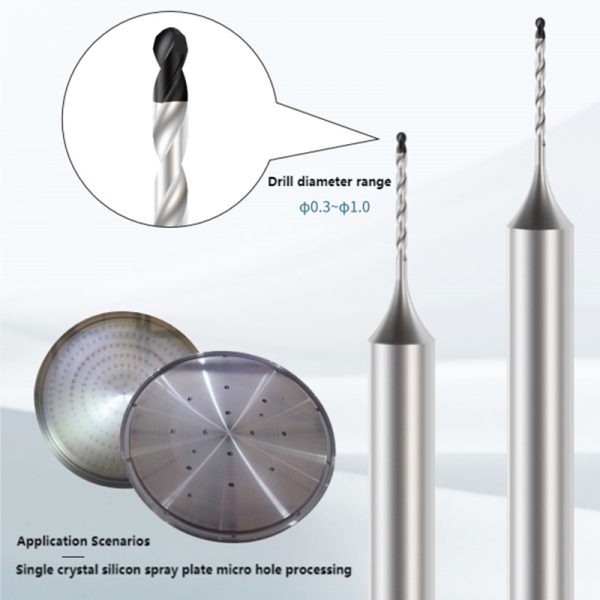
PCD-Mikrobohrer sind in Bereichen von entscheidender Bedeutung, in denen Genauigkeit die Produktarbeit bestimmt. In der Elektronikherstellung bohren sie feine Pfade in Leiterplatten (PCBs). Dies gewährleistet solide elektrische Verbindungen zwischen den Schichten. Im medizinischen Gerätebau verarbeiten diese Werkzeuge detaillierte Bohrungen für Chirurgiewerkzeuge oder Implantatteile. Dort sind Kompatibilität mit dem Körper und Genauigkeit oberste Prioritäten.
In Luft- und Raumfahrtanwendungen glänzen PCD-Mikrobohrer beim Schneiden von hitzebeständigen Legierungen mit wenig Abwanderung. Dies ist für Turbinenteile oder Motorgehäuse erforderlich, bei denen die Festigkeit von strengen Größen abhängt. Ihre Mischung aus Steifigkeit und dauerhafter Kraft ermöglicht es Herstellern, auch in rauen Setups stetige Ergebnisse zu erzielen.
Welchen Herausforderungen stehen diese Industrien ohne zuverlässige Mikrobohrer gegenüber?
Ohne zuverlässige Präzisionsmikrobohrer stehen Felder in große Probleme. Dazu gehören ungleiche Lochgrößen, die Montageprobleme oder Stromprobleme in PCBs verursachen. Schneller Werkzeugverschleiß erhöht die Stillstandszeit für Austausch- und Einrichtungsprüfungen. Dies erhöht die Kosten. Auch raue Oberflächen können Verbindungen oder Strömungsmuster in Maschinenteilen schwächen. Solche Probleme sind nicht in Ordnung in der Luft- und Raumfahrt oder medizinischen Bereichen, wo die Sicherheitsvorschriften streng sind.
Worldias Beitrag zu zuverlässigen Mikrobohrlösungen
Wie sichert Worldia die Qualität PCD Mikrobohrer?
In der sich verändernden Welt der Fertigung arbeiten wir hart daran, unsere Waren zu verbessern und Ihre spezifischen Anforderungen zu erfüllen. Dabei wollen wir bei Worldia präzise Werkzeuge entwickeln, die bei schwierigen Aufgaben höchste Zuverlässigkeit bieten. Worldia Wählt sehr feine PCD-Basen für eine bessere dauerhafte Leistung und Schärfe. Jeder PCD Mikrobohrer durchläuft harte Kontrollschritte. Diese zielen darauf ab, die Größengenauigkeit innerhalb von Mikronen zu bestätigen. Das ist der Schlüssel für eine stetige Arbeit in schnellen Betrieben.
Unsere modernen CNC-Schleifmethoden stellen sicher, dass jeder Bohrer in Gruppen die gleiche Form hat. Diese Gleichheit hilft Käufern, die auf Autosysteme zählen. Kleine Unterschiede können die Ergebnisse beeinträchtigen.
Wichtige Merkmale der Worldia Mikrobohrerreihe für Präzisionsanwendungen
Hohe Dimensionsstabilität
Die PCD-Mikrobohrer von Worldia halten auch bei sehr hohen Spindeldrehzahlen oder bei winzigen Größen, die in der elektronischen Teileherstellung üblich sind, enge Grenzen.
Verlängerte Werkzeuglebensdauer durch Beschichtungsinnovation
Wir verwenden eigene Beschichtungsmethoden, die die Verschleißbeständigkeit erhöhen. Gleichzeitig bewältigen sie die Schneidwärme gut. Dies verlängert die Lebensdauer ohne Präzisionsverlust.
Vielseitigkeit über Materialien hinweg
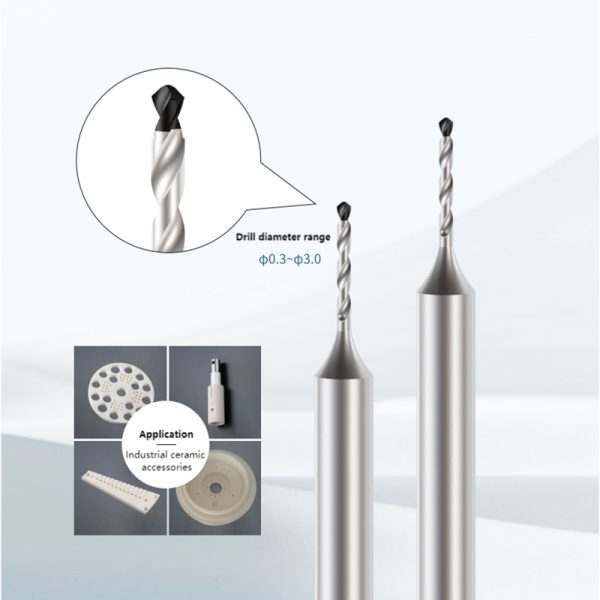
Unsere Werkzeuge funktionieren gut auf unterschiedlichen Materialien. Dazu gehören Edelstahl, Titanlegierungen, Keramik, Verbundstoffe und Nichteisenmetalle, die oft in fortschrittlichen Herstellungsbereichen wie Luft- und Raumfahrt und Medizingerätebau zu sehen sind.
Für harte und brechbare Materialien wie Glas, Keramik, Zementkarbid, Verbundwerkstoffe und Graphit bietet Worldia selbstgefertigte PCD Mikrobohrer für elektronische und medizinische Aufgaben. Diese PCD Mikrobohrer zeigen dank ihrer gleichmäßigen Schleifbahnen und geglätteten Kanten eine hervorragende Spalreinigung. Diese gewährleisten eine stetige Drehgenauigkeit während des Laufens.
Unsere Diamant Mikrobohroptionen mischen Spitzenhärte mit langer Lebensdauer gegenüber alten Metallauswahlen. Dies macht sie zu perfekten Präzisionsmikrobohrwerkzeugen in vielen Bereichen, die sehr feine Detailkenntnisse benötigen.
FAQ (häufig gestellte Fragen)
F: Was ist der Unterschied zwischen PCD Mikrobohrer und HSS Mikrobohrer?
A: PCD-Bohrer sind härter, hitzebeständiger und bieten eine bessere Dimensionsgenauigkeit als HSS-Bohrer (Hochgeschwindigkeitsstahl). Daher sind sie für leistungsstarke Präzisionsbohraufgaben bevorzugt, die eine konsistente Toleranzregelung erfordern.
F: Wie kann ich einen Bruch beim Gebrauch verhindern PCD Mikrobohrer?
A: Um das Risiko eines Bruchs während des Betriebs zu minimieren, verwenden Sie geeignete Spindeldrehzahlen in Kombination mit kontrollierten Zufuhrraten, während ein ausreichender Kühlmittelfluss gewährleistet ist. Überprüfen Sie außerdem die genaue Ausrichtung zwischen der Bohrachse und dem Werkstück, bevor Sie die Bearbeitungszyklen beginnen.
F: Sind PCD Mikrobohrer für manuelle Bohrbetriebe geeignet?
A: Sie sind hauptsächlich für CNC-Automatisierungssysteme konzipiert, da ihre Brüchigkeit sie anfällig für Schäden unter ungleichmäßigem manuellen Druck macht. Wenn eine manuelle Verwendung erforderlich ist, sollte sie mit extremer Sorgfalt unter geringen Kraftbedingungen durchgeführt werden, die für empfindliche Werkzeuge wie diamantbeschichtete oder pcd-basierte Varianten geeignet sind, die in spezialisierten Aufgaben wie der Elektronikherstellung verwendet werden.