
What Are PCD Inserts and Why Are They Essential in Non-Ferrous Metal Cutting?
Defining PCD Inserts and Their Composition
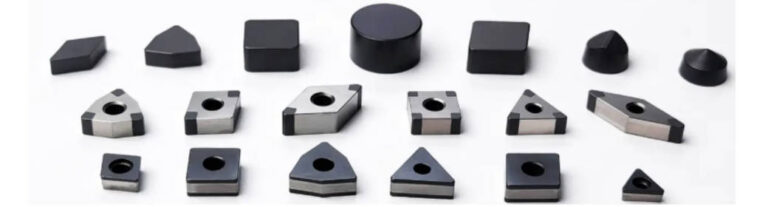
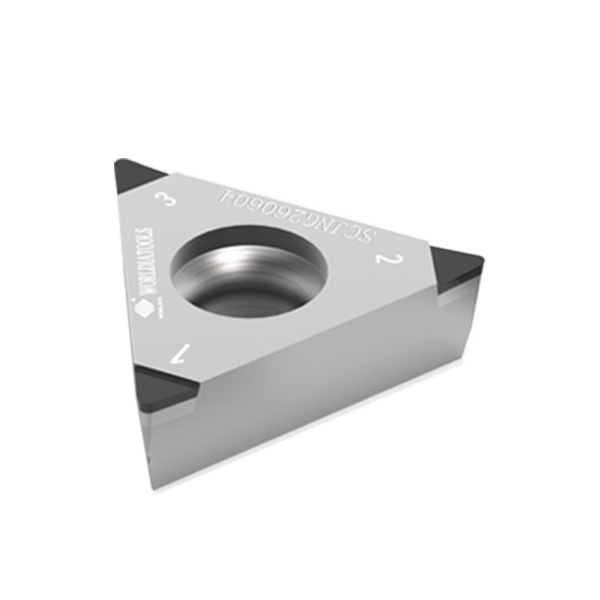
The full form of PCD insert is Polycrystalline Diamond insert. It is a cutting tool material made from synthetic diamond particles. These particles are sintered together under very high pressure and temperature. The diamond tip of the PCD insert gives great hardness and wear resistance. It also offers strong thermal conductivity. This setup works much better than common carbide tools. These features make PCD inserts a good choice for accurate machining of non-ferrous materials. Examples include aluminum, copper, magnesium alloys, and composite materials.
Diamant polycristallin (PCD) is made of diamond particles and a certain binder, which are sintered at high temperature and high pressure. This structure helps the tool keep toughness and cutting-edge sharpness during tough operations.
Why Non-Ferrous Metals Require Specialized Cutting Tools
Non-ferrous metals are often softer yet more adhesive than ferrous ones. This often leads to built-up edges on common tools. The special traits of PCD inserts help here. Their low friction coefficient stops material from sticking. This also helps keep the edge sharp for a long time. This leads to smooth chip removal and less heat during cutting. In PCD insert machining processes, these points bring longer tool life. They also support higher output and better surface quality than conventional carbide choices.
How Do PCD Inserts Enhance Machining Efficiency?
What Mechanisms Contribute to Improved Cutting Performance?
The efficiency of PCD inserts comes from their ability to reduce friction between the edge and the workpiece. The diamond surface has a very low friction coefficient. This lowers cutting resistance and heat build-up. It allows faster speeds while keeping precision. Since the edge stays sharp for longer periods, operators can run higher feed rates. They also face less downtime from fewer tool changes.
Worldia FMP-BE Milling Cutters were developed for high-speed machining of aluminum alloy on high-speed machining centers centers with precision spindles. This shows how good design with diamond-tipped inserts supports efficient cycles that fit modern manufacturing needs.
Influence of Tool Geometry and Edge Preparation on Efficiency
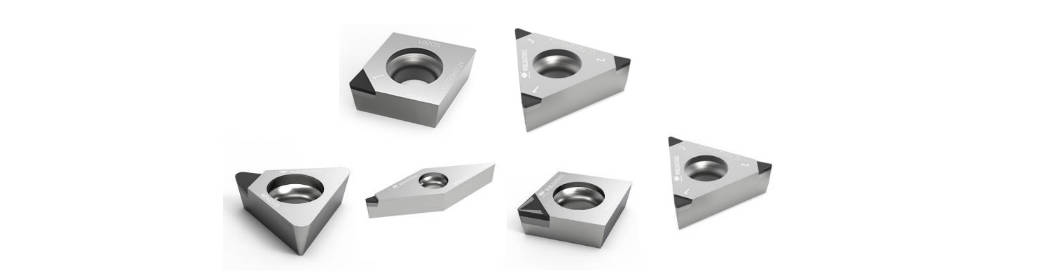
Tool geometry plays a key role in getting the most from PCD inserts. Proper rake angles improve chip flow and reduce cutting forces. This leads to smoother work at higher speeds. Careful edge honing adds stability under changing loads in high-speed settings. Picking the right insert shape for each non-ferrous material, such as aluminum alloys or copper composites, adds steady performance across runs.
In What Ways Do PCD Inserts Improve Surface Quality?
How Does the Diamond Structure Affect Surface Finish?
The natural hardness of polycrystalline diamond creates clean finishes with little burr during PCD insert machining. The sharp edge cuts vibration and keeps size accuracy on all workpieces. Stable thermal conductivity also spreads heat well. This helps prevent oxidation or small cracks on sensitive alloys like magnesium or titanium composites.
PD01E has a grain size of 1μm. This fine-grain PCD material fits mirror finishing work. Fine-grain structures like PD01E give top surface finishes needed in aerospace or electronics fields.
Factors That Determine Final Surface Integrity
Good surface quality depends on the right insert grade. It must balance toughness with wear resistance. Cutting settings like speed, feed rate, and depth need careful tuning. This keeps tool marks or chatter low on finished surfaces. Extra polishing or coating steps after machining can make the surface even smoother when needed for optical parts.
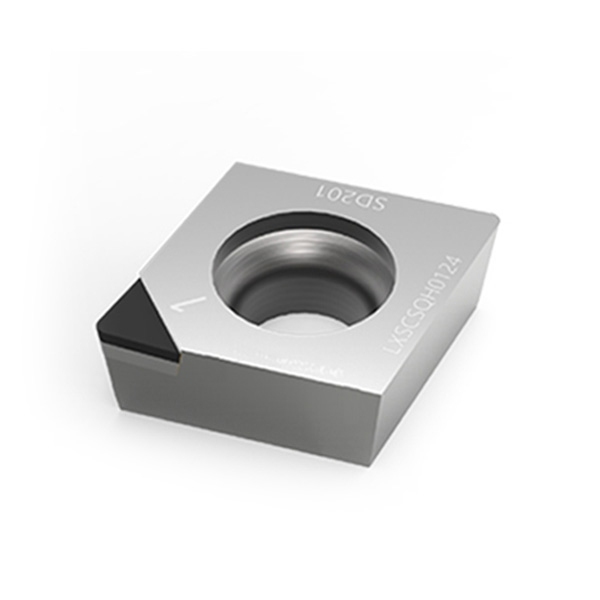
Comparing PCD Inserts with Conventional Carbide Tools in Non-Ferrous Applications
What Are the Key Performance Differences?
When comparing PCD vs carbide tools in non-ferrous work, several performance points stand out. Carbide tools often lose sharpness fast on abrasive aluminum-silicon alloys or copper composites. This leads to uneven finishes over time. PCD inserts, on the other hand, last much longer. Their diamond structure resists wear even in steady high-speed contact. Although PCD insert price may start higher than standard carbide options, the longer life cuts overall costs through fewer replacements and less upkeep.
Economic and Operational Advantages of Using PCD Inserts
From a cost view, makers gain from lower tool change rates. This directly lowers the cost per part. Strong reliability supports steady production runs needed in automotive or aerospace lines. Smoother cutting also lowers spindle load needs. This improves energy use and fits green manufacturing aims.
Worldia’s Contribution to Advanced Machining Solutions with PCD Inserts
Introducing Worldia’s Expertise in Diamond Cutting Tools
À Worldia, we focus on advanced superhard tooling solutions for precision industries around the world. In the changing manufacturing field, we keep improving our products and services to match your needs. Our teams work on each tool’s shape based on real material issues in aerospace, automotive, medical device work, and electronics sectors.
At Worldia, we are sharpening our focus on applications with high demands for precision, process reliability, and cost-effectiveness. These range from e-mobility and aerospace to the medical, energy, and electronics industries as well as tool and mold making. This effort shows our role as a leading PCD insert company that delivers steady solutions worldwide.
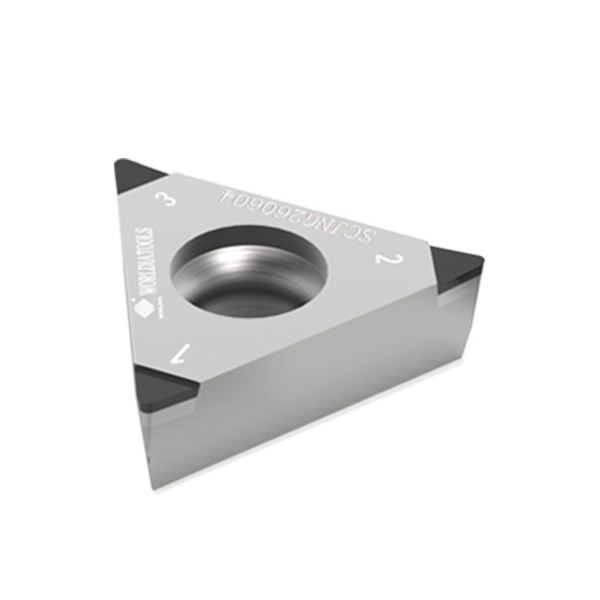
Overview of Worldia’s PCD Insert Product Line for Non-Ferrous Metal Cutting
Key Features of Worldia’s PCD Inserts
Our PCD inserts are made with premium polycrystalline diamond materials. This ensures even hardness across each cutting tip. The tools support steady chip control at high speeds. They also keep a good surface finish on aluminum alloy engine parts or copper connectors in electronics.
Applications Across Industries
Worldia’s PCD insert factory supplies solutions used in automotive powertrain work. These include e-motor housings and light structural parts for electric mobility. We also serve aerospace needs that call for tight tolerances where size accuracy matters most.
Benefits for Manufacturers Using Worldia Tools
Makers who use our tools see clear gains. Longer life means fewer replacements. Better size accuracy supports tight-tolerance work. Good shapes reduce vibration in use. Overall process stability raises output while keeping quality steady.
FAQ (questions fréquentes)
Q : What types of non-ferrous metals can be machined using PCD inserts?
A: PCD inserts work well on aluminum alloys, copper-based materials like brass or bronze, magnesium alloys, graphite-filled polymers, and other non-ferrous substrates that need top surface finish quality.
Q : How do I determine the right cutting parameters when using a PCD insert?
A: Settings depend on material hardness and the finish level wanted. In most cases, higher speeds with moderate feeds give a good balance between speed and tool life during PCD insert machining operations.
Q : Are PCD inserts cost-effective compared to traditional carbide tools?
A: While the first PCD insert price may look higher than carbide options, their much longer life and lower downtime make them cost-effective over full production runs. This is especially true when the inserts are bought from an experienced PCD insert company like Worldia that focuses on steady performance in every product line.