
Industrial buyers rarely need another catalogue of cutting-tool names. The harder decision is identifying PCD insert manufacturers that can repeatedly convert a material specification, component drawing, and process target into a stable cutting solution. A reliable supplier must control material selection, edge preparation, geometry, inspection, application engineering, traceability, and lifecycle support. This guide explains the evidence buyers should request before approving a source for PCD inserts.
What Does PCD는 Insert Quality Mean in Industrial Machining?
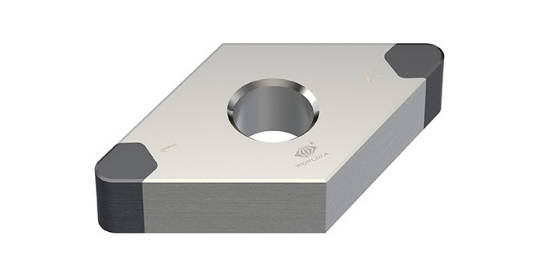
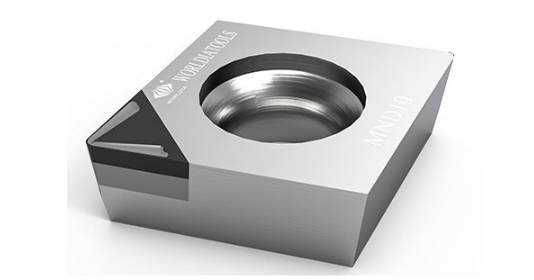
In practical terms, the meaning of a PCD insert is the combination of a polycrystalline diamond cutting layer, its supporting body, edge geometry, and the way the complete insert is manufactured for a defined application. PCD is the usual PCD insert full form, while PCD insert material describes the grade and construction selected for the workpiece. A strong material alone cannot compensate for inconsistent geometry or a poor application match.
Which Material Facts Should a Manufacturer Document Before Production?
Before production, a supplier should document the selected diamond grade, grain-size range, binder or binder-free construction where relevant, intended workpiece, and cutting mode. Fine-grain material can support fine finishing, while coarser or mixed grain structures may suit abrasive wear and edge-strength demands. The important test for PCD insert manufacturers is whether selection logic is recorded and repeatable, not whether one grade is promoted as universal.
어떻게 PCD는 Grain Size and Grade Choices Affect Manufacturer Reliability?
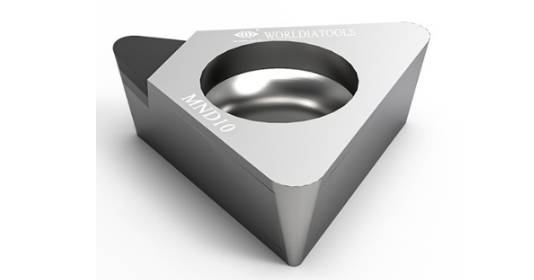
Reliable PCD insert manufacturer decisions connect grain size and grade to the actual workpiece. Typical PCD grade routes cover finishing of aluminium alloys, general non-ferrous work, and abrasive materials such as composites, high-silicon aluminium, carbide, hard rubber, and graphite. A manufacturer that can explain those trade-offs gives the buyer a clearer basis for trial planning. The same discipline helps prevent a PCD insert from being specified for a material or temperature condition outside the grade’s verified purpose.
Which Manufacturing Processes Should PCD는 Insert Manufacturers Control?
The manufacturing route differentiates PCD insert manufacturers. Consistent inserts require controlled joining, shaping, grinding, polishing, and finishing. Laser processing can shape superhard materials for complex features, while precision grinding and polishing influence edge quality and batch repeatability.
How Do Laser Shaping, Grinding, and Polishing Protect Edge Consistency?
Laser shaping can support accurate profiles and chip-control features, while precision grinding and polishing help establish a consistent cutting edge. These steps are especially important when the tool must enter a bore, follow a profile, or hold a narrow finishing allowance. For PCD insertion, the interface between the diamond element and the tool body also needs secure, controlled preparation. A technically capable manufacturer can describe the sequence, critical dimensions, and inspection points without reducing quality to a marketing label.
What Evidence Shows That a Manufacturer Can Hold Repeatable Geometry?
Useful evidence includes measurement records, equipment capability, sample inspection reports, and a clear method for handling nonconforming parts. Laser diameter measurement, pre-setting, balancing, and dimensional inspection can help control tool runout and repeatability when those operations are relevant to the product. For buyers comparing PCD insert manufacturer options, the question is not whether a supplier owns a named machine; it is whether the supplier can show how measured results are linked to acceptance criteria and corrective action.
How Should a Manufacturer Match PCD는 Inserts to the Workpiece and Process?
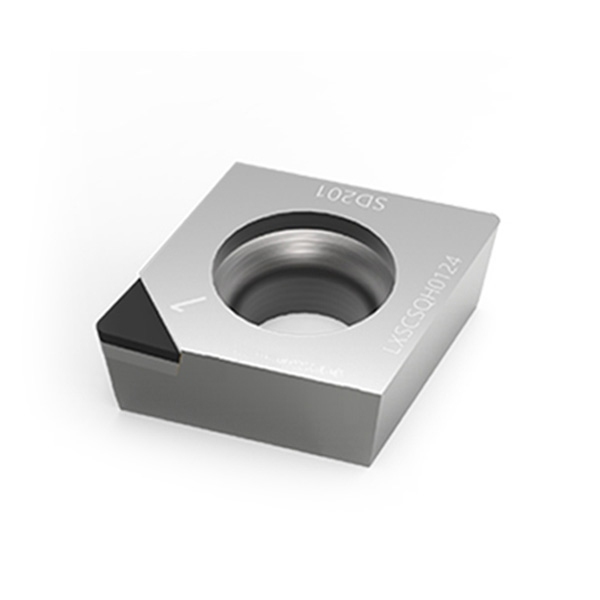
Understanding what PCD inserts are used for begins with the workpiece, not the catalogue. PCD inserts are commonly evaluated for non-ferrous alloys and abrasive non-metallic materials where wear resistance, surface quality, and dimensional stability are important. Verified application families include aluminium alloys, carbide, graphite, hard rubber, wood and MDF, composites, plastics, resins, and semiconductor-related materials. The correct choice still depends on hardness, abrasiveness, thermal conditions, allowance, machine rigidity, coolant, and the required finish.
Which Workpiece Materials and Operations Suit PCD는 Inserts?
Typical operations include turning, boring, milling, drilling, profiling, grooving, and specialty cutting. Fine-grain grades may support finishing requirements, while grades designed for stronger abrasive resistance can be considered for high-silicon aluminium, MMC, carbide, or graphite. This is why PCD insert meaning should be discussed as an application concept rather than a simple material definition. A buyer should expect the supplier to connect the insert format, edge design, holder interface, and cutting parameters to the actual feature being machined.
Which Trial Data Should a Manufacturer Review Before Approval?
A useful trial package includes workpiece grade, hardness, abrasive constituents, feature dimensions, allowance, tolerance, surface target, machine and holder details, cutting parameters, coolant method, production volume, and current wear mode. The supplier should record the success measures, such as longer edge life, fewer changes, lower scrap, improved finish, or a more stable cycle. A PCD insert manufacturer’s review based on these inputs is easier to audit and scale.
How Do Customization, Inspection, and Traceability Separate Reliable Suppliers?
Industrial programs often change after the first trial. A component may require a revised profile, different corner, or modified chip-control feature. Reliable PCD insert manufacturers need a controlled path from engineering change to production release. Inspection and traceability let buyers identify the batch, revision, and measurement record behind a tool that performed well.
What Should Buyers Ask About Custom Insert Design and Reconditioning?
Ask whether the supplier can work from drawings, manage a complete tooling program, and support regrinding, retipping, relapping, or polishing within a defined scope. These services do not make every insert reusable indefinitely; suitability depends on remaining material, geometry, and the prescribed application. Lifecycle support can reduce disruption when a custom PCD insert is part of repeat production. The phrase PCD insertion may appear in technical discussions, but the buyer should focus on documented design, joining, and reconditioning steps.
Which Traceability and Quality Records Reduce Industrial Risk?
Useful records include a unique manufacturing or serial number, batch identification, inspection results, revision history, and a method for reporting field feedback. Traceability is valuable when several similar PCD inserts are used across machines or plants. It helps a buyer separate a material issue from a setup issue and makes replacement decisions more disciplined. A credible PCD insert manufacturer should be able to explain how records follow the product from production through service.
How Does Worldia Approach PCD는 Insert Manufacturing for Industrial Buyers?
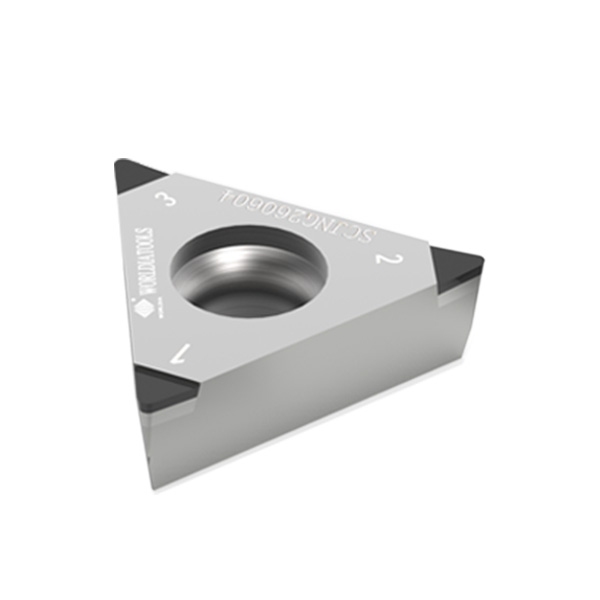
Worldia는 approaches PCD insert manufacturer evaluation through the complete application. We can discuss PCD and CVDD insert routes, including grade families such as PD01E, PD10E, and PD32E, in relation to grain size, toughness, wear resistance, and the workpiece. Our broader superhard-tool capabilities include laser precision shaping, grinding, polishing, specialty-tool manufacturing, inspection, and application support. Worldia also documents custom-tool and reconditioning routes so a buyer can compare a standard PCD insert with a made-to-order solution on the same technical basis.
Which Capabilities Support Material, Manufacturing, and Inspection Control?
We use application information to connect material selection with manufacturing and inspection decisions. Depending on the tool, that can include controlled PCD/CVDD production, precision shaping, measurement, balancing, and records for batch or serial traceability. Worldia’s verified product categories cover PCD는/CVDD inserts and PCD/PCBN specialty tools. These capabilities do not remove the need for a customer trial; they give the trial a clearer engineering foundation and help PCD insert manufacturers’ discussions stay tied to measurable requirements.
When Should Buyers Discuss Standard PCD는 Inserts Versus Custom Tools?
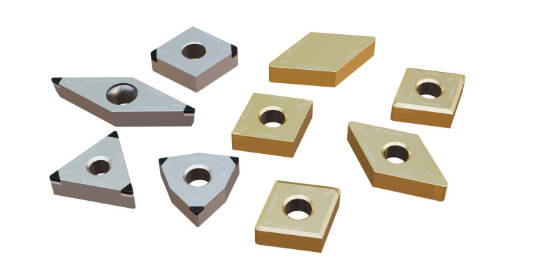
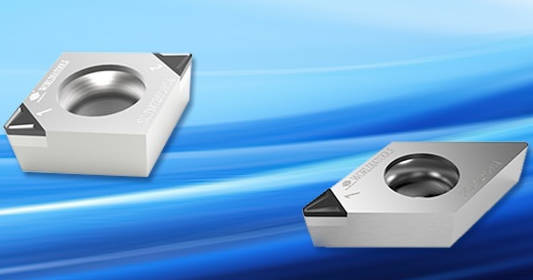
Standard PCD inserts are usually the first comparison when the holder, feature, and production volume fit an established format. A custom tool review becomes more relevant when access, profile, groove form, tool length, or a non-standard edge cannot be served economically by a catalogue insert. We can review the drawing, machine, current tool, and target result before identifying whether a Worldia standard route or custom specialty tool is appropriate. The goal is a documented fit, not a promise detached from the process.
FAQ는
Q: How can buyers verify that a PCD는 insert grade matches the application?
A: Buyers should provide the workpiece, abrasive constituents, feature, allowance, tolerance, surface target, machine details, cutting parameters, coolant method, and current wear observations. A manufacturer should then explain the grade and edge-selection logic and define a measurable trial result.
Q: What are PCD는 inserts used for in industrial machining?
A: What PCD inserts are used for is answered mainly by non-ferrous and abrasive applications: aluminium alloys, high-silicon aluminium, MMC, carbide, graphite, hard rubber, wood, MDF, composites, plastics, and related precision operations. The actual insert still requires application validation.
Q: How should a buyer compare PCD는 insert manufacturers?
A: Compare material documentation, controlled manufacturing processes, inspection evidence, traceability, customization, lifecycle service, and application support. A credible PCD insert manufacturer should connect those capabilities to the buyer’s component and acceptance criteria.