
Introducing the Basics of PCD Micro Drills
What Makes PCD Micro Drills Unique?
PCD micro drills offer superior hardness, outstanding wear resistance, and a much extended lifespan compared to standard alloy micro drills. This special makeup stems from Polycrystalline Diamond (PCD), a man-made substance created by compressing diamond grains under intense pressure and heat. The final form delivers remarkable hardness and heat stability, which suits it well for accurate work at tiny sizes.
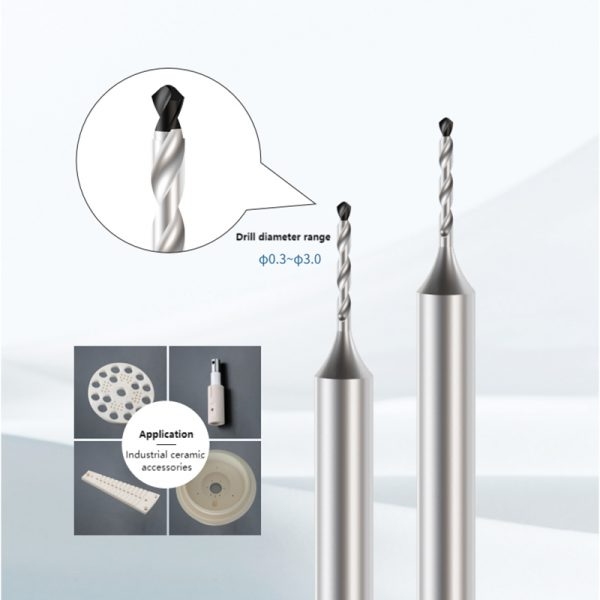
The PCD makeup helps these drills keep their edge during long sessions, even when slicing tough or fragile substances. Their strong resistance to wear cuts down on how often tools need changing, boosting cost savings in detailed production settings. Besides handling metal substances, they work great for cutting non-metal inorganic items with fine accuracy. This flexibility lets makers get steady hole results from various substances like ceramics, composites, and graphite.
Accuracy stands out as a key feature of PCD micro drills. Their cutting tips are built for little wobble and top size precision. Unlike usual carbide or alloy micro drills, PCD types give smoother finishes and cut down on edge buildup. Compared to standard alloy micro drills, PCD micro drills create hole walls with better quality. These traits make them vital in fields needing tolerances at the micron level.
Comparison with Traditional Micro Drills in Terms of Performance
Standard micro drills often face issues with tough or rough substances because of quick wear or heat-caused bending. On the other hand, the PCD build’s top hardness guarantees a longer life and steady output in tough situations. Also, they show low sticking with non-ferrous metals and non-metal substances. This avoids chip buildup on the cutting tip and reduces built-up edge (BUE) during work. Such a feature boosts tool steadiness and leads to better surface quality in the drilled holes.
How Do PCD Micro Drills Manage Heat Generation?
What Are the Challenges of Heat Generation in Micro-Scale Drilling?
In tiny-scale drilling, heat buildup creates a major issue because of tight room for coolant movement and faster spindle turns. Too much heat can cause early tool wear, size errors, and even harm to sensitive parts. When dealing with microscopic sizes, even minor temperature shifts can warp hole shapes or harm surface quality.
Elements that add to extra heat include rubbing between the cutting tip and part material, weak chip removal, and poor oiling. For typical tools from tungsten carbide or HSS (High-Speed Steel), these issues often lead to shorter life or tool snapping. Thus, handling heat effects matters a lot for reliable processes in exact drilling tasks.
Techniques Employed by PCD Micro Drills to Mitigate Heat
The built-in traits of PCD help a lot in cutting down heat accumulation during drilling. Diamond holds one of the best heat transfer rates among all materials known—far better than copper or aluminum. This lets it quickly move heat from the cutting area. As a result, it stops focused overheating that might hurt both tool and part.
Besides material traits, modern drill plans include smart cooling methods. Some PCD micro drills have built-in coolant paths that send liquid right to the cutting spot. This improves oiling while removing chips and heat at the same time. The mix of strong heat transfer and good coolant flow keeps steady temperatures over long machining runs.
Efficient Chip Evacuation in Micro Drilling with PCD Tools
Why Is Chip Evacuation Crucial in Micro Drilling?
Chip removal gets more tricky as drill sizes drop under 0.5 mm. Bad chip clearing can lead to re-cutting of scraps, causing surface marks or tool breaking. Built-up chips also hold heat inside the hole, speeding up wear on tool tips and part surfaces.
Good removal keeps steady touch between cutting tips and new material. It also lowers rubbing resistance. The size and form of chips affect how well they leave through grooves. Smaller chips often move easier, but they may need tuned groove shapes for right guidance from slim holes.
Methods Used by PCD Micro Drills for Effective Chip Evacuation
The shape of a PCD micro drill is planned with care to support easy chip movement even at very small sizes. Tuned groove angles cut clog risks while keeping the strength needed for exact drilling. The keenness of diamond tips also helps break chips into small pieces that exit the hole smoothly.
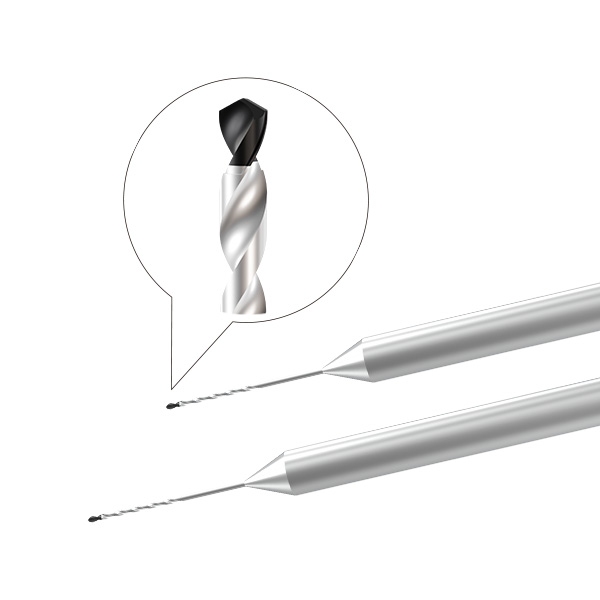
Cutting tip shape plays a key part in managing chip creation flow. By changing rake angles and space outlines for target substances—like aluminum alloys or ceramics—the drill lowers rubbing pull. At the same time, it makes sure chips do not stick to surfaces from built-up edge buildup.
At Worldia, we design our PCD micro drills with smart groove setups made for good chip removal in different machining setups. Our aim on shape tuning lets users reach higher feed speeds without losing accuracy or finish level.
Worldia’s Contribution to PCD Micro Drill Technology
How Does Worldia Enhance the Performance of Its PCD Micro Drills?
The Chinese tool maker Worldia is boosting its efforts in the German and DACH markets. The firm counts on a wide range of PCD, CBN, and CVD diamond tools, solid stock from Germany, and direct tech help.
Our own-made PCD micro drills like WZ-X, WZ2 and WZ1 Series for electronic and medical uses show our drive to push forward ultra-accurate tooling tech. Each drill goes through strict checks to ensure even performance across groups. Every item gets a special making number for easy tracking of place, time, and group.
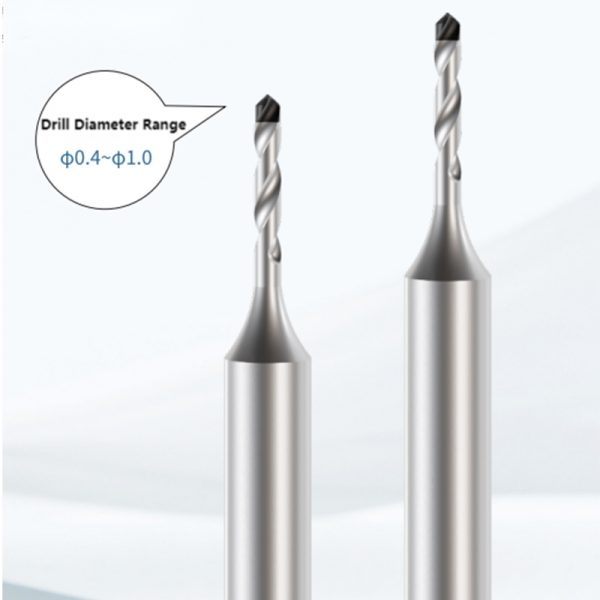
Our ongoing new ideas go past product shape into material study research. This aims to boost diamond grain link strength and tune drill shapes for set uses like glass bases or composite layers.
Customer Feedback on Worldia’s Product Effectiveness in Various Applications
Buyers from many fields regularly note better output when moving from regular carbide drills to our PCD choices. Aerospace workers like the better size steadiness when cutting light alloys. Medical device makers prize steady hole roundness key for implant parts.
We see buyer input as key data guiding constant improvement work in our R&D groups. This ensures each new tool set handles growing industry issues more strongly than before.
FAQ
Q: What Are the Common Applications for PCD Micro Drills?
A: For hard and brittle materials—such as glass, ceramics, cemented carbide, composites, and graphite—Worldia offers in-house developed PCD micro drills for electronic and medical applications. They are also widely used across aerospace sectors requiring precise hole placement within lightweight metallic structures.
Q: How Do I Choose the Right PCD Micro Drill for My Project?
A: Consider parameters such as material hardness, required hole diameter tolerance range, spindle speed capability of your machine tool system, as well as desired surface finish quality before selection.
Q: Can I Use a Standard Drill Setup for Operating a PCD Micro Drill?
A: While standard setups can handle these tools safely in checked settings, tuning factors like spin speed, feed rate, and coolant kind boosts output steadiness a lot. This extends overall tool life greatly when using high-worth superhard tools like ours at Worldia.