
Jak polikrystaliczne narzędzia diamentowe rewolucjonują procesy cięcia?
Co sprawia, że narzędzia PCD wyróżniają się w przemyśle cięcia?
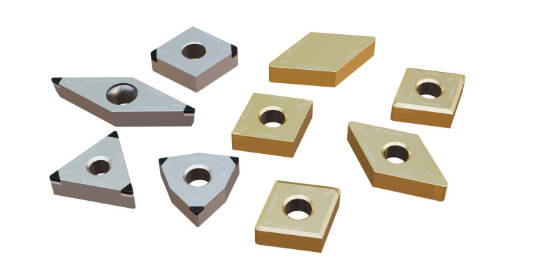
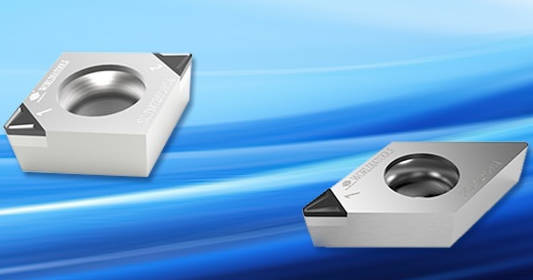
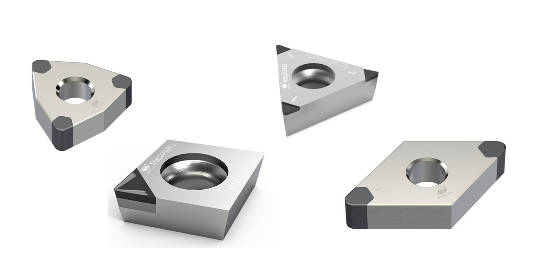
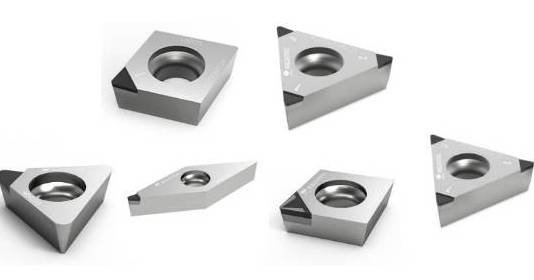
Polikrystaliczny diament Narzędzia (PCD) stały się symbolem dokładności, wytrzymałości i produktywności w bieżących zadaniach obróbkowych. Ich wyjątkowa wytrzymałość i odporność na zużycie różnią się od standardowych materiałów cięcia. Polikrystaliczny diament (PCD) jest wykonany z cząstek diamentowych i cementowanych podłożeń węglikowych spiekanych w wysokiej temperaturze i wysokim ciśnieniu. Ma zarówno odporność na zużycie diamentu, jak i wysoką wytrzymałość cementowanego węgliku. Ten specjalny makijaż pozwala narzędziom PCD zachować ostre krawędzie podczas dłuższej pracy. W rezultacie zapewniają stabilne wyniki cięcia w dużych partiach produkcyjnych.
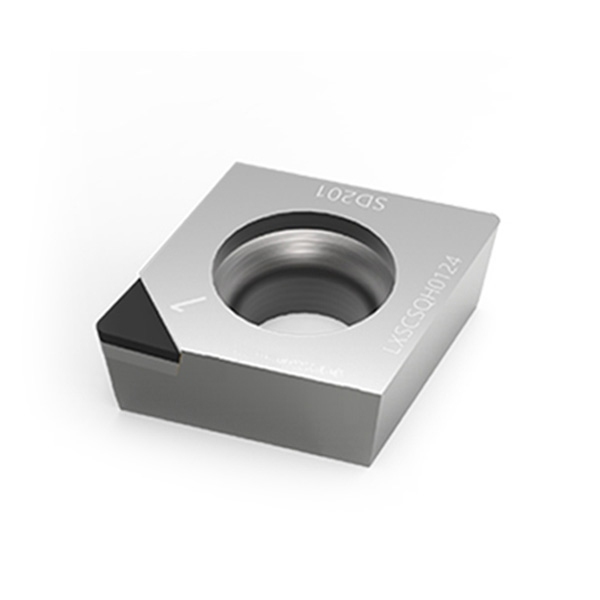
Niezwykła wytrzymałość PCD pomaga tym narzędziom bardzo dobrze pracować w trudnych zadaniach, takich jak produkcja motoryzacyjna, lotnicza i elektroniczna. Obsługują szybkie operacje bez uszkodzenia krawędzi. To ogranicza częstotliwość zmiany narzędzi i skraca przestaje fabryki. Narzędzia PCD mają niezwykle wysoką twardość, doskonałą przewodność cieplną, niezwykle niski współczynnik tarcia i rozszerzenia cieplnego oraz większą bezczynność chemiczną z metalami niemetalowymi i materiałami niemetalowymi. Takie cechy prowadzą do czystszych cięć, lepszej precyzji rozmiaru i dłuższej żywotności narzędzia niż zwykłe opcje narzędzia.
Dlaczego narzędzia PCD są preferowane przed tradycyjnymi narzędziami węglikowymi?
Porównanie narzędzi PCD z narzędziami węglowymi wykazuje wyraźne różnice w ich wydajności i wartości z biegiem czasu. Narzędzia węglikowe widzą szerokie zastosowanie ze względu na ich wytrzymałość. Jednak zużywają się szybciej podczas obsługi surowych lub twardych materiałów. Narzędzia PCD świecą w szybkich pracach, które wymagają drobnych wyników powierzchniowych. Biegają z większą prędkością bez utraty solidnych krawędzi. Przynosi to krótsze cykle produkcji i lepsze wskaźniki produkcji.
Jedną z głównych zalet jest jakość wykończenia powierzchni z narzędzi PCD. Ustawienie małoziarnistych materiałów PCD daje bardzo gładkie powierzchnie. To zmniejsza potrzebę dalszych kroków wykończenia. Są one stosowane głównie do przetwarzania metali niemetalowych i materiałów niemetalowych, takich jak ceramika inżynieryjna, kamień, drewno, tworzywa sztuczne z włókien węglowych i druty syntetyczne. Ta gama pozwala producentom osiągnąć rygorystyczne limity, jednocześnie kontrolując koszty poprzez mniej częste wymiany i prostszą konserwację.
Nauka za narzędziami PCD’ Skuteczność w zastosowaniach cięcia
Jak struktura PCD przyczynia się do jego wydajności?
Sukces polikrystalicznych narzędzi diamentowych wynika z ich starannie zbudowanego wnętrza. PCD obejmuje cząsteczki diamentowe połączone na cementowanej podstawie węglikowej za pośrednictwem procesu ogrzewania i prasowania na bardzo wysokich poziomach. Ta konfiguracja zapewnia dużą wytrzymałość - niemal tak samo twardą jak diament jednokryształowy - i silną odporność na zużycie.
Zarządzanie ciepłem odgrywa ważną rolę w zwiększeniu wyników. Silna zdolność rozprzestrzeniania ciepła diamentu szybko usuwa ciepło podczas pracy cięciej. Powstrzymuje to zbyt duże nagromadzanie się ciepła, co może uszkodzić narzędzie lub skręcić przedmiot obrabiany. Ponadto odporność PCD na zmiany chemiczne uniemożliwia mu klejenie lub zużycie podczas reakcji podczas cięcia metali nieżelaznych, takich jak aluminium lub miedź.
Te cechy razem pomagają narzędziom PCD pozostać stabilnym na krawędzi podczas trudnych konfiguracji cięcia. Ich zdolność do zwalczania zużycia chemicznego w etapach obróbki dodaje wiele do niezawodnej kontroli rozmiaru w trudnych kształtach.
Jakie są zalety korzystania z narzędzi PCD do różnych materiałów?
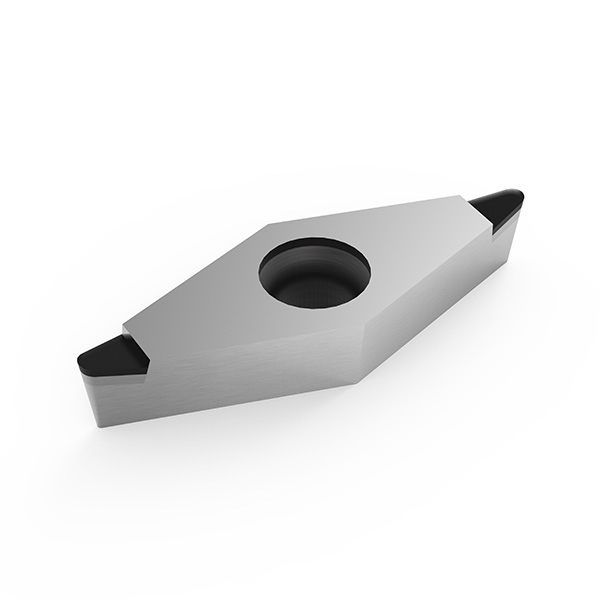
Narzędzia do cięcia PCD najlepiej działają na metalach nieżelaznych, takich jak stopy aluminium, stopy magnezu, stopy miedzi, kompozyty, grafit, ceramika i tworzywa sztuczne wzmocnione. Są one szeroko stosowane w produkcji silników samochodowych i innych akcesoriów, precyzyjnego sprzętu medycznego, precyzyjnych komponentów elektronicznych i części lotniczych. Przedmioty te często powodują problemy ze względu na ich charakter szlifowania lub sposób, w jaki budują się na zwykłych narzędziach.
Dzięki narzędziom PCD producenci mogą ograniczyć zmiany kształtu i uszkodzenia powierzchni materiału. Dostają również błyszczące, gładkie wykończenia. Stała praca w zróżnicowanych warunkach cięcia sprawia, że są idealne dla pól, które wymagają ścisłych limitów i niezawodnych poziomów jakości.
Badanie wpływu narzędzi PCD na wydajność produkcji
Jak narzędzia PCD zwiększają produktywność w produkcji?
Dodanie polikrystalicznych narzędzi diamentowych do konfiguracji fabrycznej zmieniło sposób pomiaru produktywności w wielu dziedzinach. Ich duża wytrzymałość pozwala na szybsze prędkości cięcia. To znacznie skraca czas zadania, zachowując najwyższą dokładność. Ponieważ narzędzia te utrzymują ostrość przez dłuższe rozciągi, pracownicy mają mniej przerw na wymianę lub ostrzenie narzędzi.
Lepsza stabilność oznacza wyższą jakość produktów z mniejszą ilością odpadów. Producenci korzystają z niższych kosztów za produkt dzięki narzędziom, które trwają dłużej. To ma ogromne znaczenie w instalacjach na dużą skalę, gdzie utrzymanie spraw jest kluczowe.
Portfolio Worldia jest przykładem tej transformacji dzięki zaawansowanej linii rozwiązań do cięcia super twardych. W ciągle rozwijającym się przemyśle produkcyjnym zobowiązujemy się do rozwoju naszych produktów i usług, aby zaspokoić Twoje potrzeby. Nasz nacisk na innowacje zapewnia, że każdy produkt zapewnia mierzalną poprawę wydajności przy zachowaniu standardów precyzji wymaganych przez nowoczesne przemysły.
W jaki sposób narzędzia PCD przyczyniają się do zrównoważonych praktyk produkcyjnych?
Zrównoważony rozwój jest głównym celem w obszarach produkcji na całym świecie. Dzięki dłuższej trwałości narzędzi i cięciu odpadów, narzędzia polikrystaliczne diamentowe pomagają osiągnąć cele ekologicznej produkcji. Z mniejszą liczbą wymian, mniej materiału jest wykorzystywane z czasem. Energia do tworzenia nowych narzędzi również spada.
Ponadto doskonała przewodność cieplna PCD obniża ciepło podczas cięcia. Oznacza to mniejsze zapotrzebowanie na płyny chłodzące. Wspiera czystsze powierzchnie fabryczne z mniejszą szkodą dla środowiska. Punkty te dobrze pasują do zielonych strategii, które kładą nacisk na oszczędność energii i mniej odpadów.
Worldia’ s Wkład w rozwój technologii narzędzi PCD
Co ustawia Worldia’ s Polikrystaliczne narzędzia diamentowe apart?
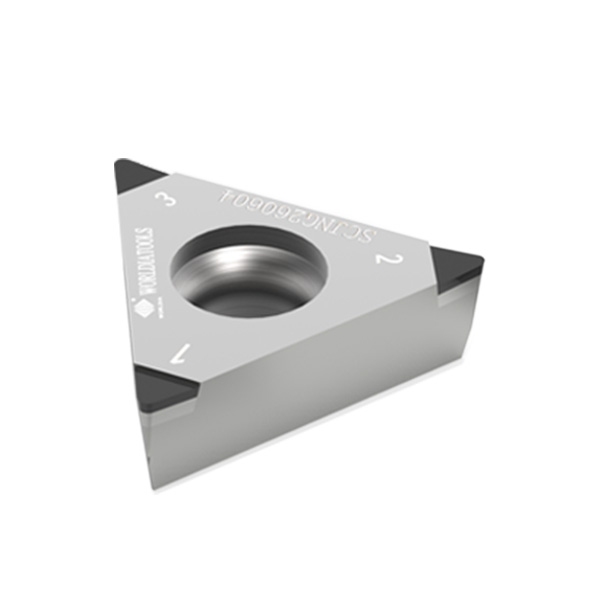
W WorldiaSkupiamy się na tworzeniu zaawansowanych opcji polikrystalicznych diamentów nadających się do wielu zastosowań przemysłowych - od części silników samochodów po konstrukcje samolotów i gadżety elektroniczne. Firma opiera się na szerokim portfolio narzędzi diamentowych PCD, CBN i CVD, wysokiej dostępności zapasów z Niemiec oraz wsparciu technicznego na miejscu. Nasze świeże projekty spełniają dokładne potrzeby klienta, łącząc wiedzę w materiałach z dokładnymi umiejętnościami budowlanymi.
Upewniamy się, że każdy produkt osiąga rygorystyczne znaki jakości, w pełni zarządzając naszym łańcuchem procesów - od materiałów początkowych do ostatnich kontroli. Każde narzędzie przechodzi ciężkie testy z sprzętem od najlepszych globalnych producentów. Każdy produkt otrzymuje unikalny numer produkcyjny, aby umożliwić bezproblemową identyfikację lokalizacji, czasu i partii. To poświęcenie obiecuje niezawodność i stabilność we wszystkich naszych produktach.
Nasz asortyment obejmuje podstawowe wkładki. Zawiera również niestandardowe poprawki specjalne dla dziwnych problemów z cięciem. To daje klientom zarówno wybór, jak i szybką wysyłkę na całym świecie.
Jak Worldia prowadzi przyszłość innowacji narzędzi do cięcia?
Kontynuujemy inwestowanie pieniędzy w badania i rozwój, aby rozszerzyć granice zastosowań materiałów supertwardych. Dzięki ciągłym postępom technicznym wprowadziliśmy znaczące innowacje w projektowaniu i produkcji CVD, PCD i Wkłady PCBNPraca ręka w rękę ze specjalistami w obszarze pozwala nam ulepszać produkty w oparciu o rzeczywiste dane użytkowe. Patrzymy również na nowe trendy, takie jak części do mobilności elektrycznej lub obróbka lekkich metali.
Nasz zespół tworzy pełne plany narzędzi, które poprawiają całe grupy części, a nie tylko pojedyncze. Zwiększa to wydajność w różnych konfiguracjach produkcyjnych. Cenimy rozmowy z klientami jako podstawę dla nowych pomysłów. Wejście od użytkowników kształtów zmienia się bezpośrednio. To utrzymuje każdą poprawkę przydatną i w przodu w technologii.
Poprzez dopasowanie nowych pomysłów do zielonych celów i stałych potrzeb procesów w takich obszarach jak sprzęt medyczny, części samolotów i konfiguracje energetyczne, nadal tworzymy nadchodzącą scenę precyzyjnej technologii cięcia na całym świecie.
Często zadawane pytania
P: Do czego używane są narzędzia polikrystaliczne diamentowe (PCD)?
Odp.: Narzędzia PCD są używane głównie do obróbki metali nieżelaznych, takich jak stopy aluminium, wraz z kompozytami, takimi jak tworzywa sztuczne wzmocnione włóknem węglowym, gdzie wymagana jest wyższa jakość wykończenia powierzchni.
P: Jak długo narzędzia PCD zwykle trwają w porównaniu do narzędzi węglikowych?
A: Ze względu na ich ekstremalną twardość i właściwości odporności na zużycie pochodzące z spiekanych cząstek diamentowych połączonych w warunkach wysokiego ciśnienia; zazwyczaj trwają kilkakrotnie dłużej niż tradycyjne alternatywy węglikowe pod podobnymi obciążeniami.
P: Czy istnieją jakieś ograniczenia w korzystaniu z narzędzi PCD?
A: Chociaż bardzo wydajne dla materiałów nieżelaznych; nie nadają się one do metali żelaznych, ponieważ reakcje chemiczne w podwyższonych temperaturach mogą degradować ich strukturę diamentową, ograniczając stosowanie w niektórych operacjach stalowych.