
What is CBN Hard Turning and How Does it Work?
Why Is CBN Hard Turning Widely Used in Modern Manufacturing?
CBN hard turning is a precise machining method that employs CBN cutting tools to process toughened materials which usually need grinding. CBN emerged as a fresh kind of synthetic superhard substance. Its toughness ranks just below diamond. The microhardness reaches HV8000–9000. Meanwhile, PCBN generally offers a hardness of HV2500–5000. These qualities make CBN a perfect material for tools that cut high-toughness steels, cast irons, and powder metallurgy parts.
Suitable materials for CBN hard turning cover hardened steels (HRC 45–70), cast irons, and superalloys. CBN shows strong resistance to oxidation. It does not oxidize even at 1000℃. Also, it avoids chemical reactions with iron-based materials up to 1200~1300℃. This trait enables effective dry cutting without any coolant. As a result, the process becomes eco-friendly and budget-saving.
CBN plays a vital role in machining by keeping its cutting edge sharp during harsh conditions. Traditional carbide tools often soften from heat exposure. In contrast, CBN holds its strength well. This leads to excellent surface finishes and precise dimensions. Usual turning techniques frequently demand follow-up grinding for accuracy. However, CBN hard turning delivers similar or superior outcomes right on the lathe.
What Is the Cutting Mechanism Behind CBN Hard Turning Tools?
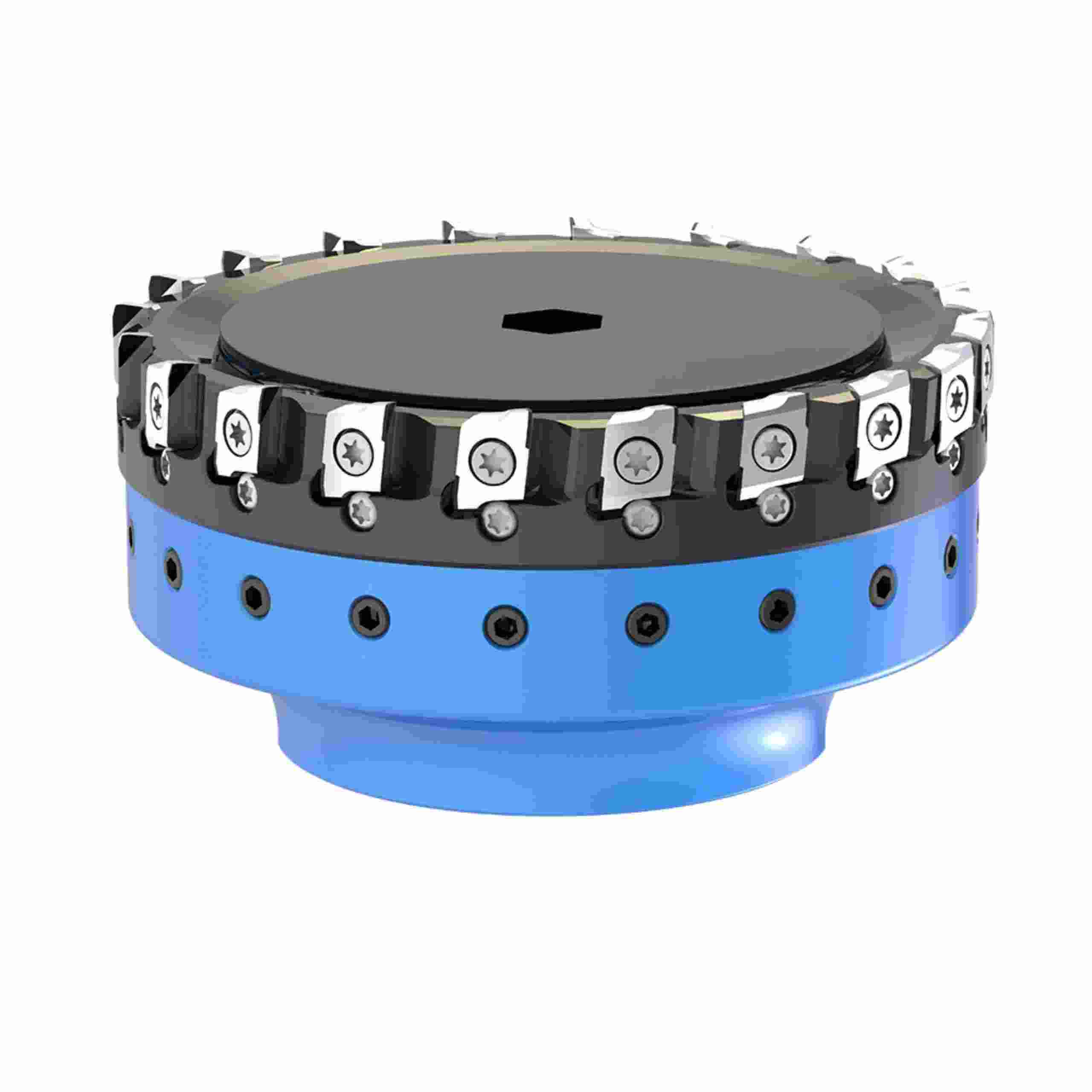
The mechanism of CBN hard turning features fast cutting speeds. Here, the tool contacts the toughened workpiece with a small cut depth. The process depends on managed heat production. Most of that heat escapes via the chips, not the tool or workpiece. Thus, CBN tools suit dry cutting, especially for iron-based metals. This gives CBN a special edge in such tasks.
Heat control remains essential in this method. Since CBN stays stable at high temperatures, it supports faster cutting speeds. Tool life and surface quality do not suffer. Consequently, cycle times shorten, and productivity rises compared to standard grinding.
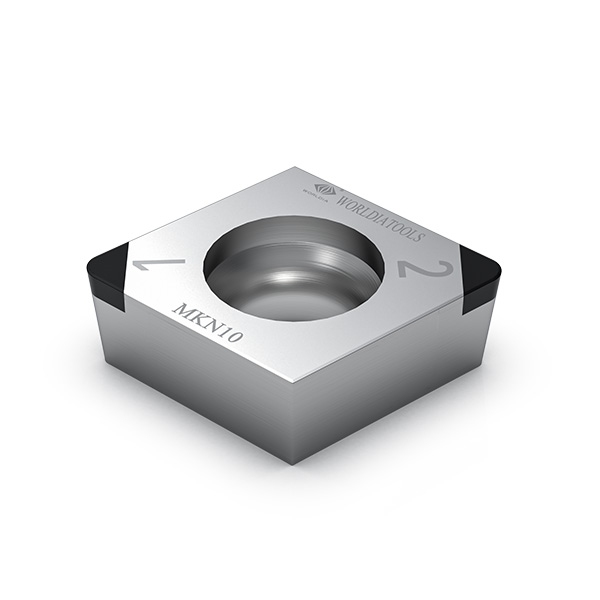
Precision and accuracy come from sturdy setups and refined tool shapes. Worldia’s PCBN inserts include tailored edge designs. These boost both wear resistance and durability. For instance, Worldia Coated PCBN CNC Inserts have a functional layer that enhances heat tolerance and boosts wear resistance. At the same time, it preserves firm bonding between layers. Such features ensure steady size control, even in tough scenarios.
How Does CBN Hard Turning Reduce Secondary Grinding Processes?
What Are the Key Advantages of Using CBN Tools in Hard Turning?
CBN’s special mix of toughness, chemical steadiness, and heat tolerance renders it very useful for substituting old grinding tasks. It displays better wear resistance than cemented carbide and ceramics during work on high-toughness materials. Therefore, parts can finish straight from turning without extra grinding.
A key benefit is shorter machining duration. CBN tools run at elevated speeds while upholding surface quality. Manufacturers can thus skip several setup stages linked to grinding equipment. Moreover, less tool wear lengthens time between replacements. This cuts downtime and enhances total output.
CBN’s sturdiness also brings ongoing expense reductions. In auto uses like CV joints or gears, Worldia’s coated PCBN inserts show much longer tool life versus uncoated ones. At the same cutting length, the wear on C₂ coated inserts is far less than on uncoated versions. The gap widens further as cutting length grows.
How Can CBN Hard Turning Achieve Tight Tolerances Without Secondary Grinding?
Hard turning with PCBN inserts attains outstanding precision. This stems from reliable chip creation and little heat distortion. With proper machine firmness and fine-tuned settings, surface roughness under Ra 1.6 µm is typical. Such levels were once only possible through grinding.
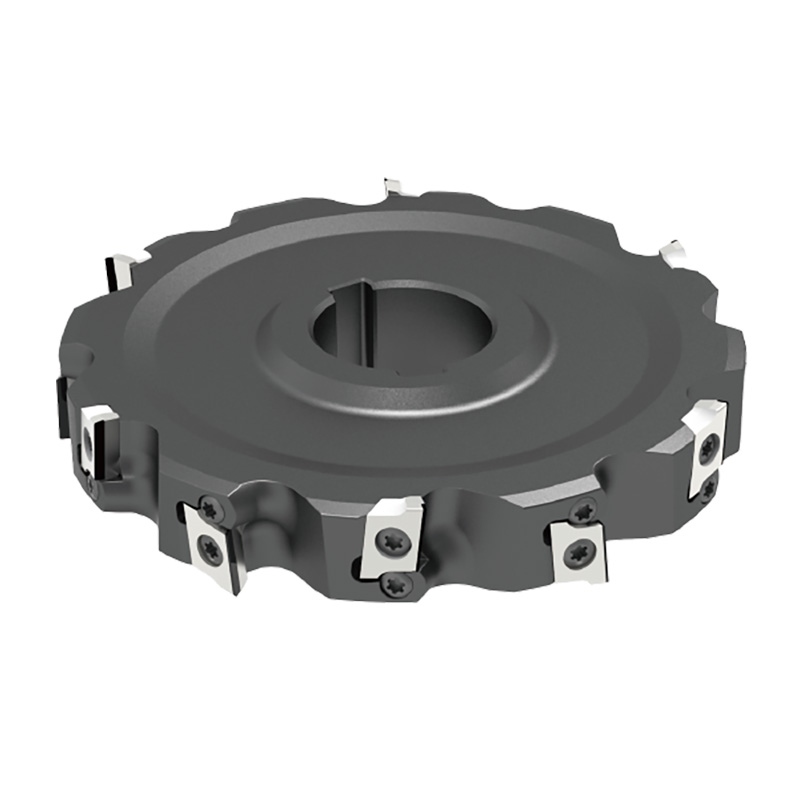
Sectors like automotive production gain a lot from this skill. Parts such as camshafts, differential housings, or brake discs can machine to final specs directly on CNC lathes using Worldia’s PCBN tools. Finishing blades offer high cutting strength. They suit high-rigidity machines and workpieces. Hence, makers can bypass grinding after turning. Dimensional accuracy stays intact.
The total cost savings emerge from fewer process phases plus enduring tool performance. Less need for equipment means one lathe can handle both turning and grinding roles. This creates slimmer production setups with quicker cycles.
Worldia’s Contribution to Advancing CBN Hard Turning Technology
Why Choose Worldia for Advanced CBN Hard Turning Tools?
In the constantly changing manufacturing field, we dedicate ourselves to improving our products and services to fit your requirements. At Worldia, we focus on creating superhard cutting tools. These include PCD, CVDD, MCD, and PCBN options built for exact applications in automotive, aerospace, energy, medical devices, and electronics fields.
Our PCBN lineup features coated inserts suited for steady or broken cuts on toughened steel parts. Materials like toughened steel, cast iron, and powder metallurgy components demand tools with particular grades and improved shapes. To tackle these issues well, we created advanced grades such as PNH0120 for steady cuts or PNH3019 for intense broken operations. Each is designed for peak wear resistance in varying load situations.
Our emphasis on quality relies on full certifications like ISO 9001/GB/T 19001 and ISO 14001/GB/T 24001 standards. Every product gets a distinct production number. This guarantees complete tracking through the making process.
Case Studies: Success Stories with Worldia’s CBN Tools
Makers using our PCBN inserts note clear gains in efficiency and part uniformity across diverse areas. For example, those working on toughened steel parts saw up to 60% extended tool life. This happened when they shifted from standard solutions to our coated types under matching conditions. Others reported finer surface finishes. This came from better chip handling via our unique chipbreaker shapes.
Worldia customized superhard inserts deliver custom-fit tooling based on clients’ real machining setups. This aids in boosting tool life, raising machining speed, and cutting tooling expenses. Input from top industry players stresses how our full support—from application advice to quick nearby shipping—helps them keep edges in competition. They meet tough tolerance needs too.
FAQ
Q: What are the key benefits of using CBN hard turning over traditional grinding methods?
A: Main benefits cover shorter machining time from higher cutting speeds with PCBN inserts. They also include less tool wear due to greater hardness. Plus, no coolant is needed. And it holds tight tolerances without follow-up steps. All these factors boost efficiency.
Q: How does Worldia ensure the quality of their CBN products?
A: We use modern production methods with gear from top global providers. We pair this with strict check systems. To keep steady quality, the producer oversees the whole supply chain. Each insert has batch marking for easy tracking. This assures dependability over its full use.
Q: Can all materials be processed using CBN hard turning?
A: It works extremely well on hardened steels (above HRC45), cast irons, sintered irons, or powder metallurgy items. However, it might not fit softer non-iron materials. For those, choices like PCD work better because of varying physical traits.
Via ongoing advances in superhard material tech plus broad know-how in global industries, we at Worldia keep crafting effective solutions. These reshape possibilities in precise machining through advanced CBN hard turning systems.