
Sertleştirilmiş Çeliklerin Yüksek Hızlı Tornalanması İçin Katı CBN Uçlarını Uygun Kılan Nedir?
Katı CBN uçlar diğer kesici takımlardan nasıl farklıdır?
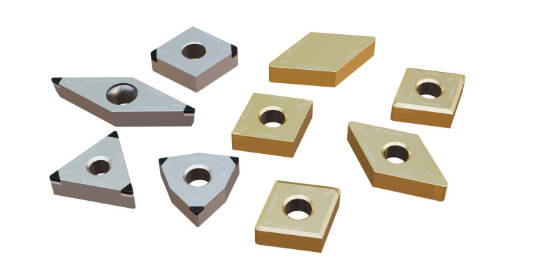
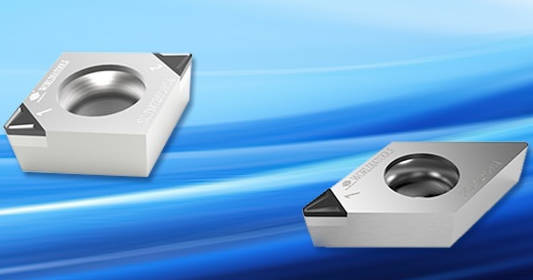
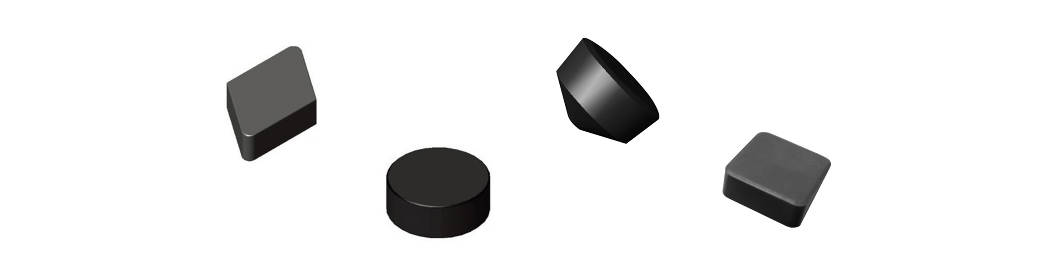
Katı CBN ek parçaları Bu takımlar, zorlu tornalama işlerinde güçlü sonuçlar vermek üzere tasarlanmıştır. Tamamen kübik bor nitrürden (CBN) oluşurlar. Bu özellik, onları çeşitli malzemelerden yapılmış kaplamalı veya uçlu takımlardan ayırır. CBN "Insert" kelimesinin tam açılımı, yüksek sertliği ve kimyasal kararlılığı nedeniyle değer verilen, insan yapımı süper sert bir madde olan Kübik Bor Nitrür Ekleme'dir.
Kübik bor nitrür (CBN) ilk olarak 1957'de üretildi. Yeni bir tür yapay süper sert malzeme haline geldi. Bu malzeme, kesici ucun gövdesi boyunca tutarlı sertlik ve aşınma direnci sunar. Zorlu kesimlerde bile istikrarlı sonuçlar verir. Kaplamalı veya lehimli uçlu kesici uçların aksine, katı CBN çeşitleri her kenarda aynı kesme özelliklerini korur. Bu, kullanıcıların aleti değiştirmeden önce tam olarak kullanmalarını sağlar.
Kimyasal kararlılıkları da dikkat çekicidir. CBN, oksidasyona karşı yüksek direnç gösterir. 1000℃'de bile oksitlenmez. Ayrıca 1200~1300℃'de demirli malzemelerle kimyasal reaksiyona girmez. Bu özellik, 45 HRC'nin üzerindeki sertleştirilmiş çeliklerin hızlı takım aşınması olmadan sorunsuz işlenmesine olanak tanır. Normal karbür takımların hızla bozulacağı kuru kesme işlerinde iyi performans gösterirler.
Yüksek Hızlı Hassas Tornalama İşlemlerinde Neden Etkilidirler?
Yüksek hızlı hassas tornalamada katı CBN kesici uçların gücü, iyi ısı transferi ve sağlam yapılarından gelir. Isıyı hızla uzaklaştırırlar. Bu, ısıya bağlı şekil değişikliklerini azaltır ve daha yüksek hızlarda istikrarlı kesimleri destekler. Düşük takım aşınması, uzun çalışma süreleri boyunca parça boyutlarının doğru kalmasını sağlar. Bu, CBN'ye dayanan otomatik sistemlerde çok önemlidir. takım sistemleri.
CBN takım ile parça arasındaki daha düşük sürtünme, yüzey görünümünü iyileştirir ve güç tüketimini azaltır. Isı stabilitesi ve aşınma direncinin bu birleşimi, operatörlerin parça kalitesini veya takım ömrünü kaybetmeden kesme ayarlarını yükseltmelerine olanak tanır. Sonuç olarak, hem hız hem de hassasiyetin en önemli olduğu durumlarda, katı CBN uçlar, yaygın karbür ve seramik takımlardan daha üstün performans gösterir.
Sertleştirilmiş Çeliklerin İşlenmesinde Başlıca Performans Avantajları
Katı CBN ek parçaları yüzey kalitesini nasıl artırır?
Katı CBN kesici uçlar ince taneli bir yapıya sahiptir. Bu, son işlemde düzgün talaşlar ve istikrarlı kesme kuvvetleri oluşturmaya yardımcı olur. Eşit kenar keskinliği, titreşimi ve gürültüyü azaltır. Bu sorunlar genellikle sert malzemeleri keserken ortaya çıkar. Sonuç olarak, dişliler veya rulman yatakları gibi yüksek hassasiyetli parçalara uygun parlak bir yüzey elde edilir.
Son işlem bıçakları yüksek kesme direncine sahiptir. Yüksek rijitliğe sahip makineler ve parçalar için uygundurlar. Doğru kurulumla, bu uçlar taşlama işlemine yakın bir yüzey pürüzlülüğüne ulaşabilir. Bunu yaparken işlem süresini de önemli ölçüde kısaltırlar.
Takım ömrü ve maliyet verimliliği açısından faydaları nelerdir?
Katı CBN uçların en belirgin avantajlarından biri uzun takım ömrüdür. İstikrarlı aşınma desenleri, takım ömrünü tahmin etmeyi kolaylaştırır. Bu, kesintisiz çalışmaya ihtiyaç duyan otomatik hatlarda büyük fayda sağlar. İlk maliyet, temel karbür seçeneklerinden daha yüksek olabilir. Ancak zamanla daha az takım değişimi gerçekleştiği için parça başına maliyet düşer.
Aynı kesim uzunluğunda, C₂ kaplı uçlardaki aşınma, kaplamasız olanlara göre çok daha düşük kalmaktadır. Kesim uzunluğu arttıkça bu fark daha da genişlemektedir. Bu durum, daha iyi bağlama yöntemlerinin ve rafine edilmiş tane yapılarının dayanıklılığa nasıl katkıda bulunduğunu göstermektedir. Aynı zamanda arıza sürelerini azaltırken verimliliği de artırırlar.
Sertleştirilmiş Çeliklerin Kullanıldığı Endüstriyel Sektörlerdeki Uygulamalar
Katı CBN ek parçaları genellikle hangi bölgelerde kullanılır?
Katı CBN uçları, ısıl işlemden sonra sertleştirilmiş çelik parçalar üzerinde hassas son işlem gerektiren alanlarda yaygın olarak kullanılmaktadır. Otomobil fabrikalarında, şanzıman milleri, dişliler, rulman yatakları ve eksantrik milleri üzerinde sert tornalama işlemlerini gerçekleştirirler. Eski taşlama adımlarının yerini daha hızlı seçeneklerle alırlar. Havacılık firmaları, motor parçalarında veya iniş takımı parçalarında yüksek mukavemetli alaşımların son işleminde bunları kullanır. Kalıp ve kalıp atölyeleri, ısıl işlemden sonra sertleştirilmiş boşluklarda ince yüzey işlemleri için bunlara güvenir.
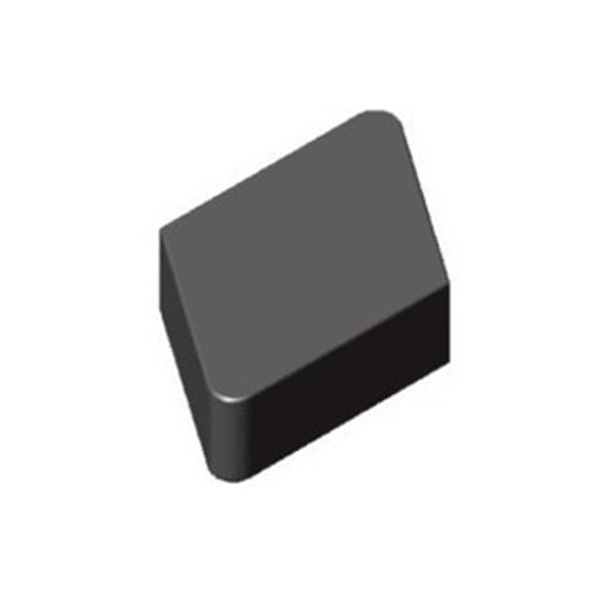
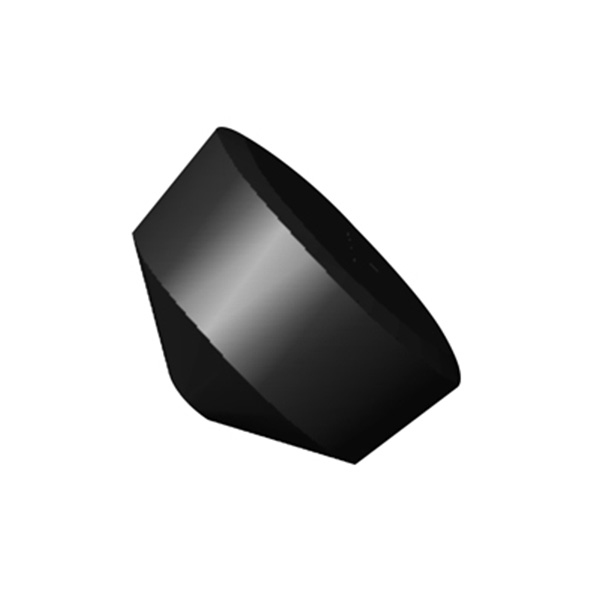
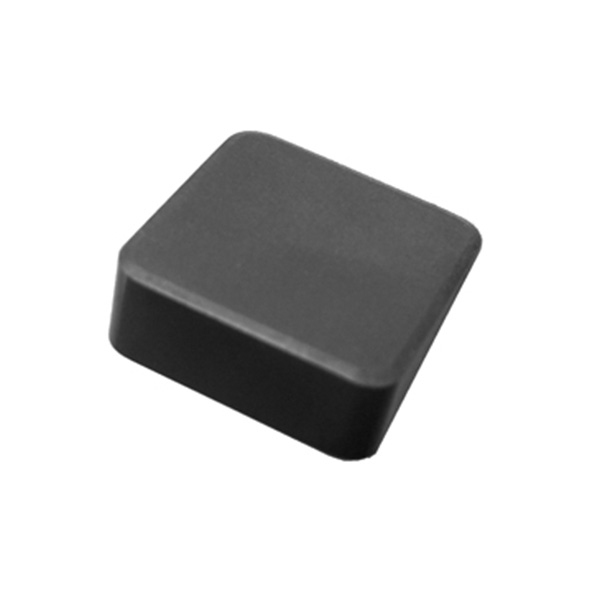
Sertleştirilmiş çelik, dökme demir ve toz metalurjisi parçaları gibi malzemeler, doğru kalite ve şekle sahip aletlere ihtiyaç duyar. Bu nedenle, doğru kesici uç şekillerinin seçilmesi, birçok endüstriyel kullanımda istikrarlı sonuçlar getirir.
Proses parametreleri performanslarını nasıl etkiler?
Katı CBN kesici uçlardan en iyi sonucu almak için işlem ayarlarının yakından kontrol edilmesi gerekir. Kesme hızı, ilerleme hızı ve kesme derinliğinin iyi bir kombinasyonu, uzun takım ömrüyle birlikte yüksek verimlilik sağlar. Örneğin, PNH0120, 180 (150–250) m/dak hızda, 0,1 (0,05–0,3) mm derinlikte ve 0,03–0,2 mm/dak ilerleme hızında sürekli kesimler için iyi sonuç verir. Kuru veya ıslak soğutma sıvısı kullanımı da uzun çalışma süreleri boyunca ısıyı kontrol etmeye yardımcı olur.
Makine rijitliği de sonuçları etkiler. Düşük rijitlik, en yüksek kalitede malzemelerle bile titreşime veya erken kenar arızasına neden olabilir. katı CBN eki tasarımlar.
Worldia'nın Katı CBN Uçlarla Hassas İşleme Alanına Katkısı
Worldia'nın Katı CBN Ek Parçalarını Diğerlerinden Ayıran Özellikler Nelerdir?
Ve Worldia'nınDünya çapındaki hassas endüstriler için üretilen süper sert takım çözümlerine odaklanıyoruz. Günümüzün değişen üretim alanında, müşteri ihtiyaçlarına uygun ürün ve hizmetlerimizi sürekli geliştiriyoruz. Ürün yelpazemiz, hem kaba işleme gücü hem de son işleme hassasiyeti gerektiren sertleştirilmiş çelikler için üretilmiş gelişmiş PCBN kalitelerini kapsamaktadır.
Yeni fikirler getirdik. PCBN'nin tasarımı ve üretimiPCD ve CVD uçlar. Katı CBN uçlarımız gelişmiş sinterleme yöntemleri kullanılarak üretilmiştir. Bu yöntemler, her partide eşit tane dağılımı sağlar. Zorlu koşullar altında güvenilir çalışma için tüm kenarlarda istikrarlı sertlik sunarlar.
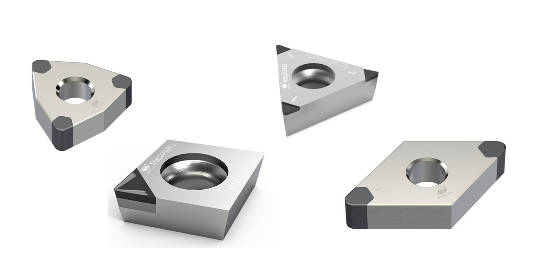
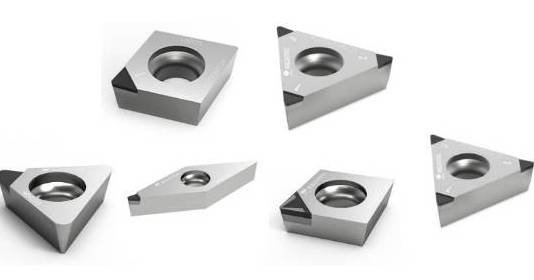
Farklı ihtiyaçlara uygun birçok farklı şekil sunuyoruz. Bazıları sürekli kesim işlemlerini gerçekleştirirken, diğerleri ağır ve kesintili tornalama işlemlerini yönetir. Bu, müşterilerin daha iyi yüzey kalitesi elde etmelerine ve maliyetleri kontrol altında tutmalarına yardımcı olur.
Worldia, dünya genelindeki endüstriyel kullanıcıları nasıl destekliyor?
Dünya çapındaki hizmet ağımız, kullanıcıların malzemeleri ve süreçleri için doğru kaliteleri seçmelerine yardımcı olmak üzere teknik danışmanlık hizmeti sunmaktadır. Worldia, 2022 yılında Stuttgart yakınlarındaki Herrenberg'de Europe GmbH'yi kurmuştur. Bu yerel merkez, hızlı teslimat için stok bulundurarak Avrupa genelindeki müşterilere hizmet vermektedir.
Ürün ömrünü ve tutarlılığını iyileştirmek için araştırmalara yatırım yapmaya devam ediyoruz. Ayrıca otomotiv, havacılık, enerji, tıbbi cihaz ve takım alanlarında özel tolerans veya yüzey ihtiyaçlarını karşılayan özel çözümler sunuyoruz.
Önde gelen katı CBN uç üreticilerinden biri olarak, yeni fikirleri müşteri odaklı mühendislik becerileriyle birleştiriyoruz. Bu sayede her CBN karbür çözümü, kalite kontrolü için ISO 9001/GB/T19001 gibi küresel standartları karşılıyor.
Sık Sorulan Sorular
Q: Katı CBN uçları ile uçlu CBN uçları arasındaki fark nedir?
A: Katı tipler tamamen kübik bor nitrür malzemeden üretilir. Hatta tüm yapıları boyunca aşınma direnci sağlarlar. Uçlu versiyonlarda ise karbür tabana lehimlenmiş ince bir katman kullanılır. Daha ucuzdurlar ancak çok yüksek hızlarda daha az dayanıklılık gösterirler.
Q: Sertleştirilmiş çeliklerin son işleminde taşlama işleminin yerini katı CBN uçlar alabilir mi?
A: Evet. Doğru besleme ve devir hızlarıyla, rijit düzeneklerde doğru şekilde kullanıldıklarında, taşlama işlemine yakın bir yüzey kalitesine ulaşabilirler. Ayrıca, ekstra parlatma adımlarını ortadan kaldırarak işlem sürelerini önemli ölçüde kısaltırlar.
Q: Katı CBN kesici uçlar kullanılırken kesme parametreleri nasıl ayarlanmalıdır?
A: Operatörler, ısı stabilitesinden tam olarak yararlanmak için orta düzeyde ilerleme hızlarıyla daha yüksek kesme hızlarında çalışmalıdır. İyi makine rijitliği ve soğutma sıvısı kontrolü, CBN'de sertleştirilmiş çeliklerde uzun süreli çalışma sırasında takım ömrünü daha da uzatacaktır. Takım düzenlemeleri.