
What Is Polycrystalline Diamond Tooling and How Does It Work?
The Composition and Manufacturing of Polycrystalline Diamond Tools
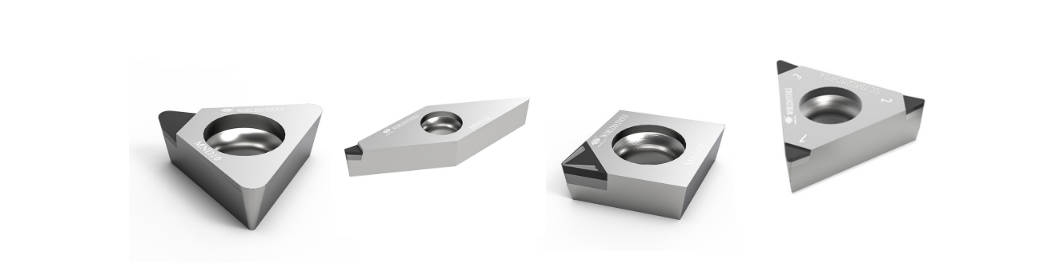
Polycrystalline diamond (PCD) consists of diamond particles and cemented carbide substrates. Workers sinter them at high temperature and high pressure. This method joins small diamond grains with a metallic binder. As a result, it creates a composite material. This material mixes the hardness of diamond with the strength and toughness of tungsten carbide. The outcome is a cutting tool material. It can handle tough wear conditions. Yet, it keeps dimensional stability.
The sintering process makes certain that PCD tools offer good thermal conductivity. They also feature low friction coefficients. These qualities matter a lot for accurate machining. It has both the wear resistance of diamond and the high strength of cemented carbide. To improve mechanical stability, people often bond PCD layers to carbide substrates. This setup lets the tool fight vibration. Plus, it holds sharpness over long operations.
How PCD Tooling Performs in Different Machining Applications
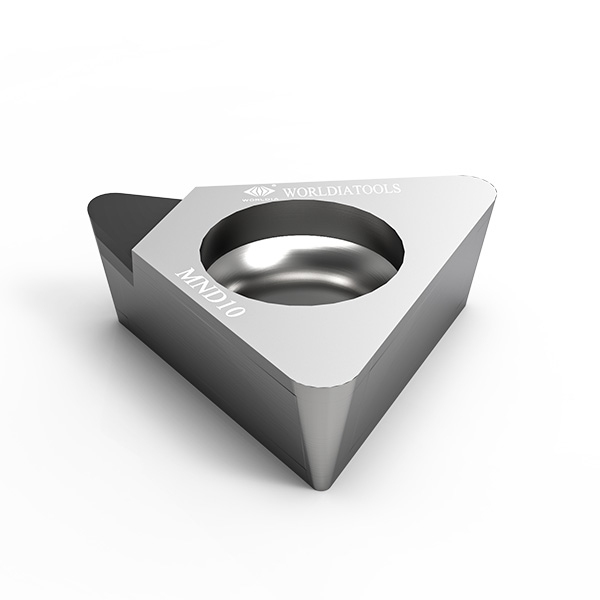
PCD tooling shows strong performance in cutting non-ferrous metals. Examples include aluminum, copper, and brass. It also handles composites, ceramics, and wood-based materials well. It’s better to wear resistance supports for longer tool life. This is true even in rough environments. It’s good that thermal conductivity helps here, too. Heat from fast machining spreads out quickly. Thus, it stops thermal damage to the tool and workpiece.
Worldia’s PCD tools are built for these challenging applications. PCD tools are mainly used for processing non-ferrous metals and non-metallic materials such as engineering ceramics, stone, wood, carbon fiber plastics, and synthetic wires. They give steady surface finishes during long production runs. This means less need for follow-up processing.
Which Factors Should Be Evaluated When Selecting Polycrystalline Diamond Tooling?
Material Compatibility and Workpiece Characteristics
When choosing polycrystalline diamond tooling, think about the hardness, abrasiveness, and thermal properties of the workpiece material. It is important to do so. PCD works well with non-ferrous alloys like aluminum or magnesium. The reason is that it fights adhesion and chemical wear. It also does great in machining carbon fiber composites, ceramics, MDF boards, and other abrasive materials.
However, machining ferrous metals such as steel or cast iron at high temperatures poses issues. Chemical reactions between iron and carbon can lead to quick tool breakdown. For these applications, cubic boron nitride (CBN) may fit better. This is because of its chemical stability with ferrous materials.
At Worldia, we look at each customer’s specific material needs. We do this before suggesting the right PCD grade or geometry. Our aim is to pair tool composition with workpiece traits. In this way, we achieve the best efficiency.
Tool Geometry and Edge Preparation Considerations
Tool geometry affects cutting performance in a direct way. The radius of the cutting edge changes the surface finish quality. Smaller radii produce smoother finishes. But they can wear out sooner under heavy loads. Chipbreaker design matters for chip evacuation. Good chip control lowers frictional heat buildup during machining.
Worldia’s engineering team adjusts edge geometries based on application needs. In the ever-evolving manufacturing industry, we are committed to advancing our products and services to meet your needs. Our modern grinding technologies allow precise edge preparation. This cuts friction while increasing wear resistance. Selecting the proper geometry boosts productivity. It also lengthens the total tool life.
How Does Cutting Environment Affect PCD Tool Performance?
Environmental conditions affect how polycrystalline diamond tooling works. The impact is notable. Dry machining is usually chosen for non-ferrous applications. PCD’s thermal conductivity spreads heat well without coolant. However, in certain cases, like machining composites, coolant-assisted cutting can help. It prevents dust buildup or overheating.
Maintaining temperature control is key. Excessive heat can cause small cracks in the diamond layer. Clean working environments help keep precision. They reduce contamination risks. Such risks might harm surface integrity or dimensional accuracy.
What Are the Economic and Operational Benefits of Using PCD Tooling?
Cost Efficiency Over Tool Life Cycle
Polycrystalline diamond tooling requires a higher upfront cost than standard carbide tools. However, its sturdiness provides clear long-term savings. A longer service life means fewer replacements. It also cuts downtime from tool changes. This results in better machine uptime. Plus, it raises productivity across production lines.
Fewer tool replacements lower inventory management costs. They also ensure steady part quality over extended production runs. From an operational view, this cuts scrap rates. It minimizes rework expenses as well. These are vital benefits for industries that use lean manufacturing principles.
Surface Quality and Dimensional Accuracy Advantages
PCD tools offer great sharpness at their cutting edges. They create smooth, mirror-like surface finishes. This often removes the need for extra polishing. Their skill in holding tight tolerances guarantees repeatability in large production cycles.
PCD tools have extremely high hardness, excellent thermal conductivity, extremely low coefficient of friction, and thermal expansion. These properties work together to improve dimensional accuracy. They reduce deformation under load or temperature changes. For manufacturers building precise components such as automotive engine parts or aerospace structures, this consistency allows easy part interchangeability.
What Are Common Challenges in Applying Polycrystalline Diamond Tools?
Limitations in Machining Ferrous Materials
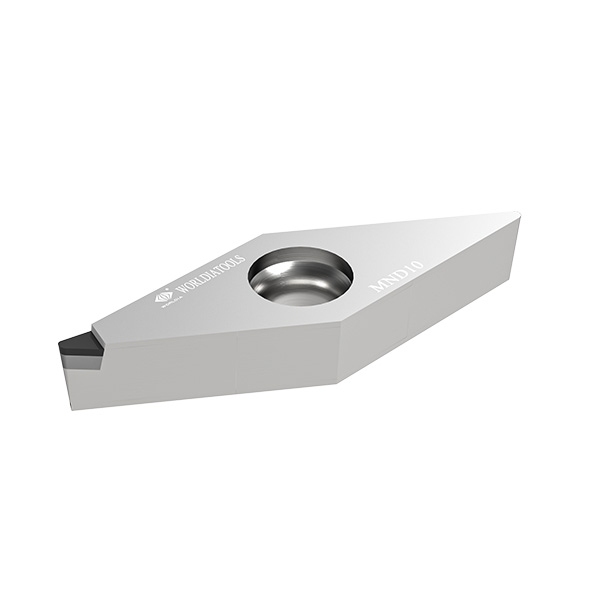
A key drawback of polycrystalline diamond tooling is its mismatch with ferrous materials. At high temperatures during steel cutting, iron atoms react chemically with carbon atoms from the diamond structure. This reaction speeds up wear on the cutting edge.
To partly solve this problem, coating technologies have been developed. They boost resistance against diffusion wear. However, they cannot fully remove chemical breakdown during long contact with iron-based alloys. In those cases, PCBN is a stronger option. It stays stable under similar conditions.
Regrinding and Maintenance Practices for Longevity
Maintaining polycrystalline diamond tools needs special equipment. This equipment keeps edge integrity during reconditioning processes such as regrinding or retipping. Regular inspection under magnification spots early signs of micro-chipping. It does so before a major failure happens.
Worldia provides comprehensive reconditioning services, including retipping and regrinding, through our dedicated support centers worldwide. Cutting Tool Reconditioning – Regrinding and retipping services allow customers to extend tool life economically without compromising accuracy or reliability.
How Worldia Supports Precision Manufacturing with Advanced PCD Solutions
Overview of Worldia’s Expertise in Diamond Tooling Technology
At Worldia, we focus on creating high-performance polycrystalline diamond tooling solutions. We tailor them for industries that require great precision. These include automotive components and aerospace assemblies. The company relies on a broad portfolio of PCD, CBN, and CVD diamond tools. Our research-based approach targets durability improvement. We use advanced sintering processes and new bonding technologies. They provide the best strength-to-toughness balance across all product types.
We keep investing in R&D facilities. These are fitted with modern inspection systems from Switzerland, Germany, Japan, and the USA. This setup lets us manage every stage from raw material synthesis to final product testing. We are dedicated to providing cutting tools and solutions that align with your company’s ambitions.
Product Range Tailored for Diverse Applications
Cutting Tools for Automotive, Aerospace, and Electronics Manufacturing
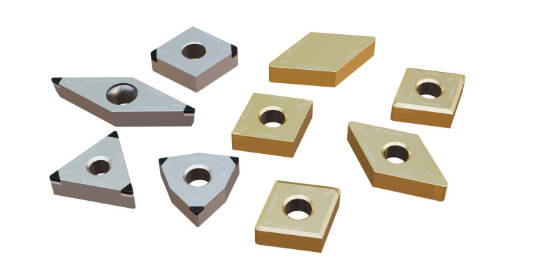
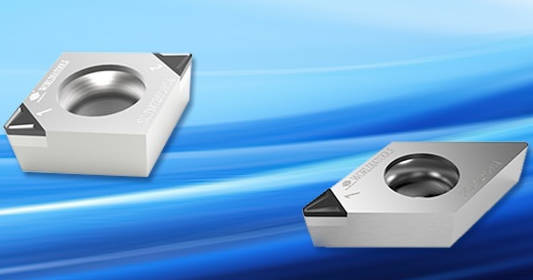
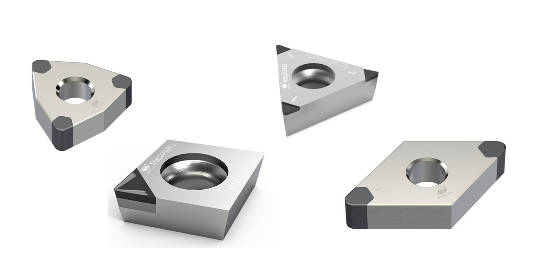
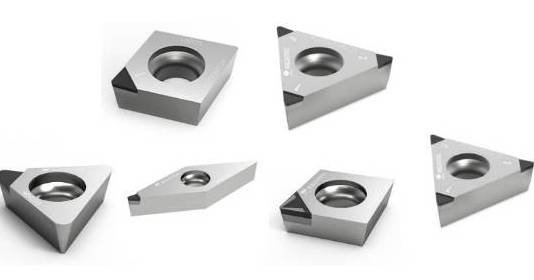
Our PCD tooling line includes turning inserts. They are made especially for aluminum engine housings in electric vehicles. It also features milling cutters. These are adjusted for composite panels used in aircraft structures. For electromobility, Worldia cites as core applications the machining of aluminum components such as emotor housings, battery compartments, and chassis components.
Customizable Inserts, Drills, and Reamers
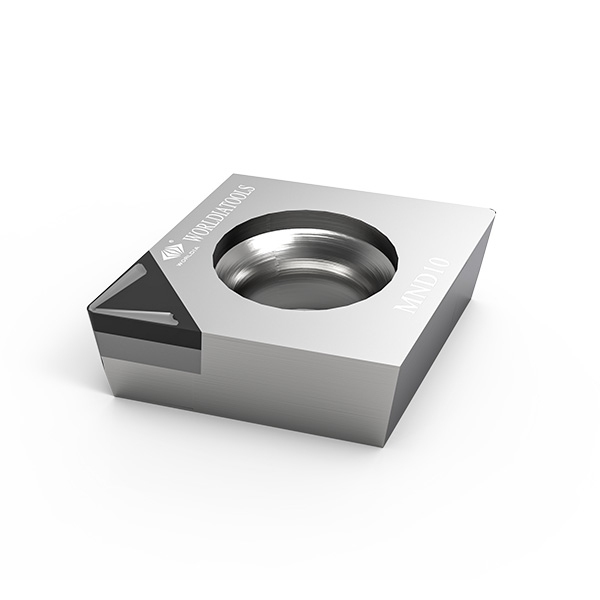
We offer customizable inserts. They fit unique dimensional requirements. At the same time, they hold strict tolerance levels. These are essential for micro-precision machining tasks. Worldia offers in-house developed PCD micro drills (diameters from 0.08mm) for electronic and medical applications.
Commitment to Quality Control and Innovation
Every product goes through tough testing procedures. These evaluate hardness uniformity, grain structure integrity, bonding strength between layers, and compliance with ISO 9001/GB/T 19001 standards. Every product receives a unique manufacturing number to enable seamless traceability of location,time,and batch.
FAQ
Q: What makes polycrystalline diamond tooling different from carbide tools?
A: PCD tools exhibit far greater hardness than conventional carbide options due to their synthetic diamond composition. PCD tools offer significantly higher hardness and wear resistance compared to carbide tools.
Q: Can polycrystalline diamond tools be used on steel or ferrous metals?
A: Generally not recommended since iron reacts chemically with carbon at elevated temperatures, causing rapid degradation. Cubic boron nitride (CBN) is often preferred for such applications.
Q: How do I know when it’s time to replace or regrind a PCD tool?
A: Indications include deteriorating surface finish quality or increased cutting forces observed during operation. Signs include loss of surface finish quality,increased cutting forces, or visible chipping under magnification;timely regrinding restores performance while extending overall tool life.