
What Makes Diamond Cutting Tools Essential in Jewelry Manufacturing?
The Science Behind Diamond Cutting Tools
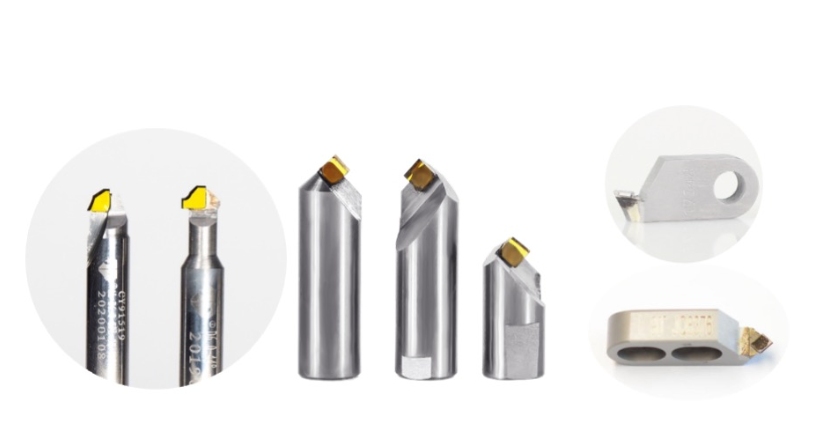
Diamond cutting tools form the heart of jewelry production due to their superior toughness and exactness. The diamond ranks as the toughest natural substance known. This quality lets skilled workers make neat and precise slices on metals and stones alike. Such features allow even detailed patterns to emerge with few flaws. The remarkable durability also keeps cutting edges keen for long stretches. This cuts down on tool damage and shortens factory interruptions.
Furthermore, diamond shows strong heat transfer. It aids in keeping steady temperatures while working. This avoids excess warmth that might warp fragile items or affect stone transparency. Thus, diamond cutting tools offer reliable results in diverse jewelry tasks. These range from forming gold mounts to cutting facets on diamonds.
Why Precision Matters in Jewelry Design
In elegant jewelry creation, exactness equals excellence and worth. Each bend, side, and carved detail adds to the piece’s overall beauty. Precise slicing guarantees balance and boosts stone sparkle by optimizing light bounce off well-placed sides. For metals, spot-on forming lessens waste and speeds up fitting during gem placement or smoothing steps.
Top-notch exact work not only lifts the look but also secures strong builds. When parts join smoothly, makers can craft lasting items without sacrificing creative flair.
How Do Diamond Cutting Tools Enhance Production Accuracy?
The Mechanism of High-Precision Cutting
The way diamond tools achieve great exactness stems from their very fine points and managed shapes. These instruments handle tiny etching and forming jobs vital for current jewelry making. Steady cut depth over many items ensures sameness. This proves key for upscale brands upholding strict rules.
Besides, modern smoothing methods backed by diamond tools let jewelers gain shiny, reflective surfaces on valuable metals like platinum or gold. This top surface quality cuts extra handling and heightens item shine.
Comparing Diamond Tools with Conventional Cutting Methods
Usual cutting instruments from carbide or steel wear out fast on tough stuff like sapphire or ruby. This causes uneven borders and size errors as time passes. On the other hand, diamond tools hold steady through long job runs thanks to their better resistance to wear.
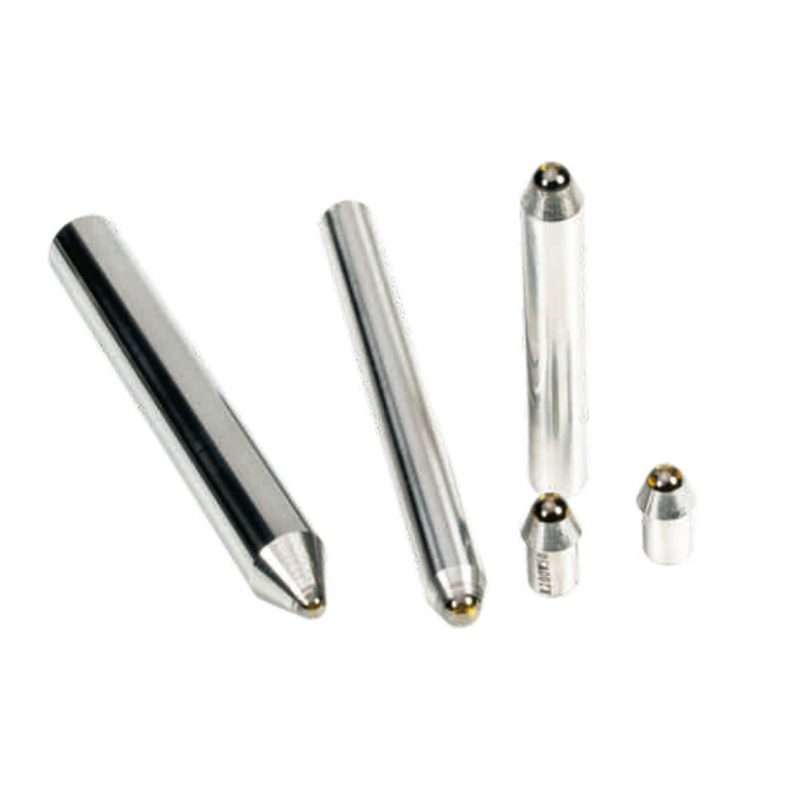
Less shaking while running also leads to even surfaces and fewer fix-ups. This stands as a vital plus in premium jewelry making, where flawlessness is a must.
What Innovations Are Transforming Diamond Tool Applications in Jewelry?
Integration of CNC Technology with Diamond Tools
Computer Numerical Control (CNC) setups have changed how jewelers apply diamond cutting tools now. Machine-guided exactness guarantees repeat results in tricky patterns that handwork once couldn’t touch. Auto setups fine-tune settings like slice speed, force, and tilt for each material kind. They provide better exactness with little human input.
Digital planning adds to this by letting jewelers see outcomes ahead of real cutting. This mix lowers mistakes, trims job times, and aids large-scale personalization in high-end jewelry ranges.
Advances in Coating and Tool Design
New progress in tiny-coating methods has boosted tool strength in fast-paced jobs typical of big jewelry factories. Better sticking methods strengthen links between diamond bits and tool faces. This ensures extended use even in tough setups.
Lighter tool builds mark another advance. They help ease strain on soft materials like gold or platinum in detailed shaping. This keeps both exactness and craft level intact.
How Does Worldia Contribute to Precision Through Its Diamond Cutting Tools?
Overview of Worldia’s Expertise in Tool Manufacturing
Worldia stresses uses needing top exactness, steady processes, and budget-friendly options in fields like aerospace, electronics, medical tech, and especially upscale jewelry production.
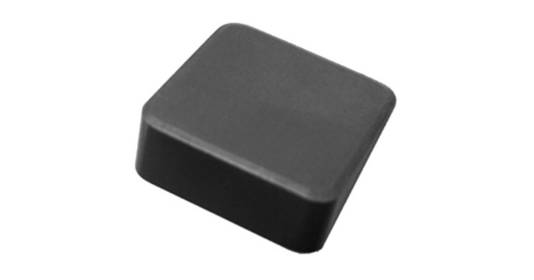
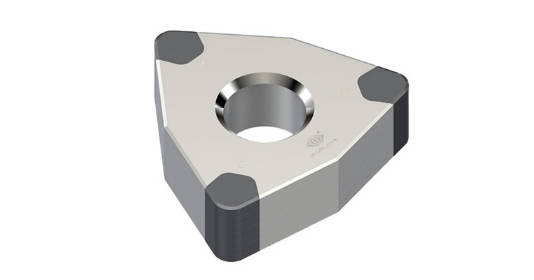
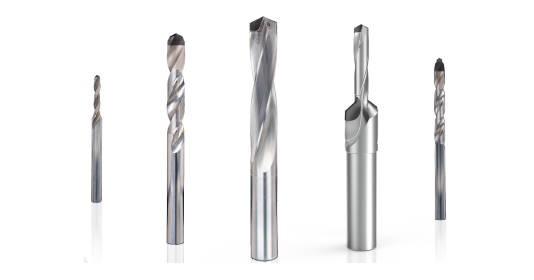
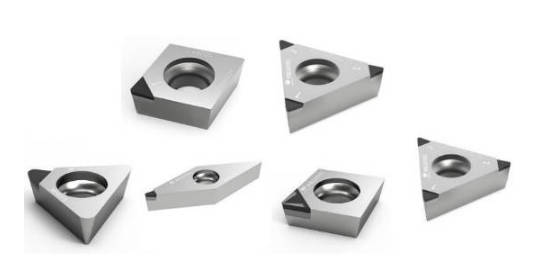
In the shifting world of making, we pledge to improve our goods and support to fit your wants. We focus on creating super-tough cutting answers such as PCD (polycrystalline diamond), CVD (chemical vapor deposition), PCBN (polycrystalline cubic boron nitride), and MCD (monocrystalline diamond) inserts made for very fine detail tasks.
Our skills go past single parts. We supply full tooling packages suited for whole item groups while upholding ISO 9001-approved quality checks all through our making line.
Key Features of Worldia Diamond Cutting Tools for Jewelers
Superior Material Composition
Polycrystalline diamond (PCD) consists of diamond grains and cemented carbide bases fused at intense heat and pressure. These high-quality stuffs blend utmost toughness with fine heat flow. These traits prove vital for making accurate slices on valuable metals without twisting.
Exceptional Surface Finish Quality
The toughness of the single crystal diamond tool reaches 10000HV which can secure very high working exactness and mirror look. Our MCD-based tools yield perfect surfaces suited for luxury jewelry faces where clear sight counts most.
Customization Options for Jewelers’ Needs
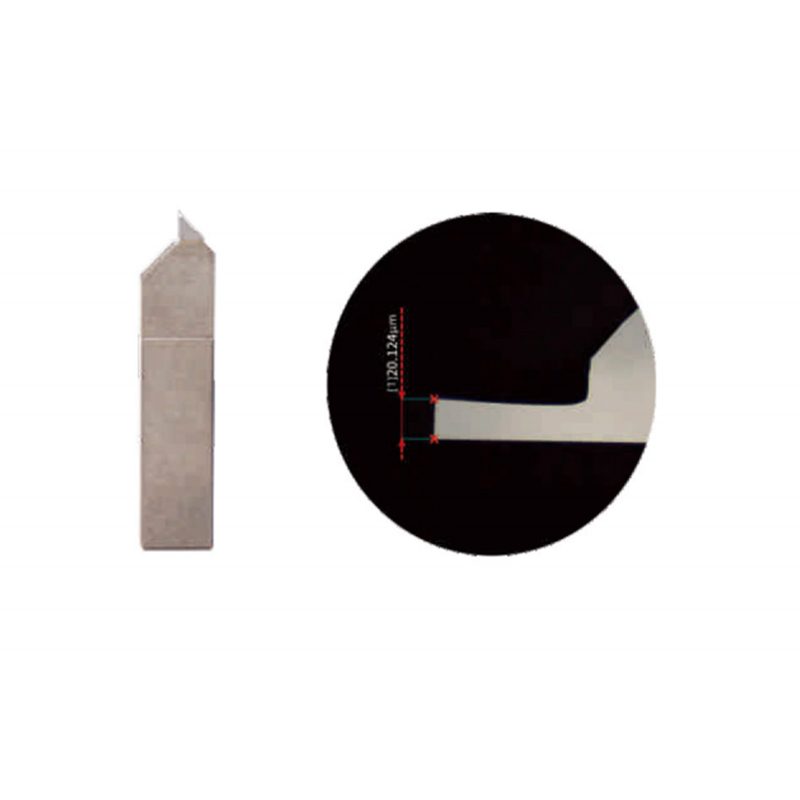
We provide custom shapes fit to exact design wants. These go from stone-cutting blades to etching tools tuned for fancy lace-like work. Via ongoing tech steps forward, we have driven big changes in the planning and making of PCD, MCD, and CVDD inserts. Our tailoring makes sure every jeweler reaches wanted results smoothly while keeping unique style.
Future Directions: Where Is Precision Jewelry Manufacturing Headed?
Emerging Trends Shaped by Diamond Tool Technology
Artificial intelligence will likely grow in watching tool wear signs to forecast upkeep times on its own. This boosts steady run times over making lines. Eco-friendly making ways are rising too through power-saving tool systems aimed at cutting waste in cutting jobs.
As custom work turns key to buyer wishes, small-scale cutting powers from advanced diamond tools will keep widening chances for tailored jewelry items in bulk. This links art with factory exactness.
FAQ
Q: Why are diamond cutting tools preferred over other materials in jewelry making?
A: Diamond tools offer better toughness, extended life, and steady exactness versus carbide or steel choices that lose edge fast on hard stones or metals.
Q: Can diamond cutting tools be used for all types of gemstones?
A: Yes, but changes must occur based on stone toughness. Softer ones like opal need less force than tougher kinds such as sapphire or ruby.
Q: How do I maintain the performance of diamond cutting tools?
A: Routine cleaning to clear debris piles, right oiling while using, and prompt sharpening under managed settings help keep keenness. This stretches work life over many job rounds.