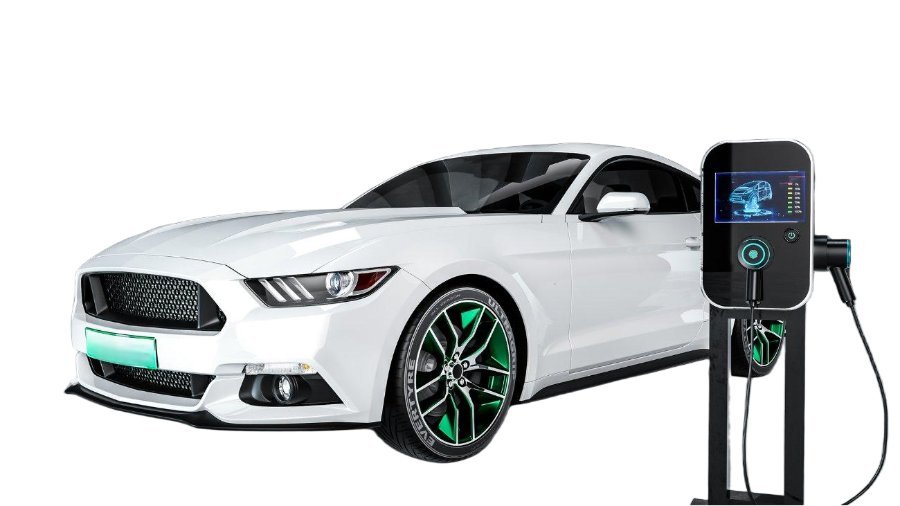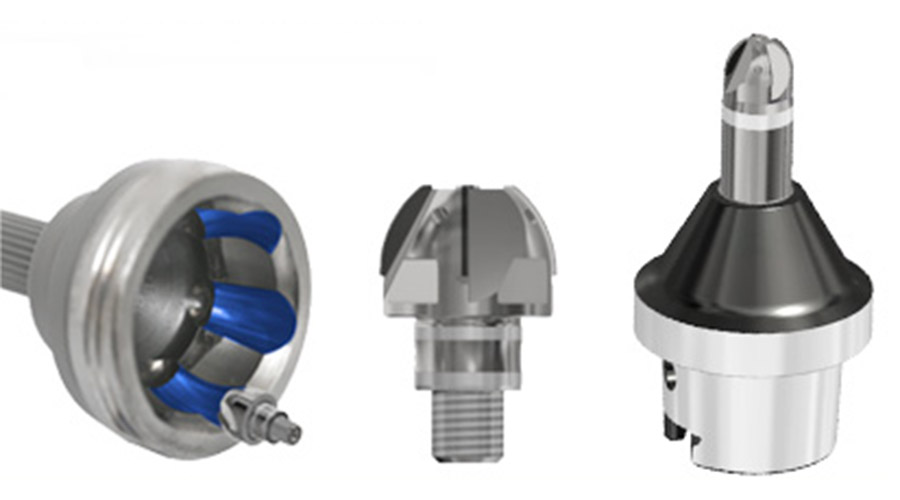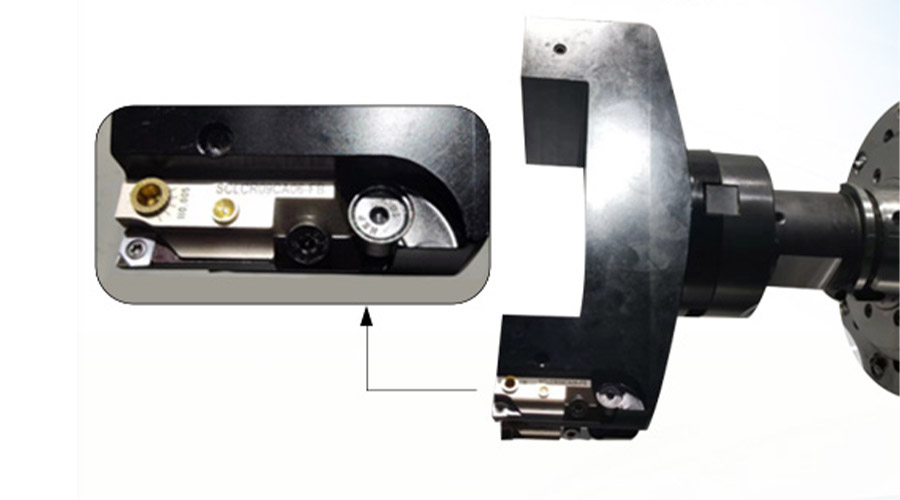

With the rapid development of new energy vehicles and the further advancement of vehicle lightweighting, parts tend to be lighter, thinner, and larger. Among them, thin-walled parts have poor rigidity, are easy to deform, are prone to burrs and vibration, and are difficult to process. During the machining process, it is necessary to combine the comprehensive effects of cutting parameters and tool paths to prevent problems such as deformation and tool vibration, while also ensuring machining accuracy, production efficiency and surface quality. Therefore, higher requirements are put forward for cutting tools.
Mit nur einem Klick gelangen Sie zum nächsten Thema.