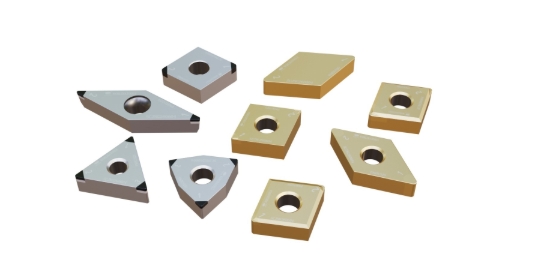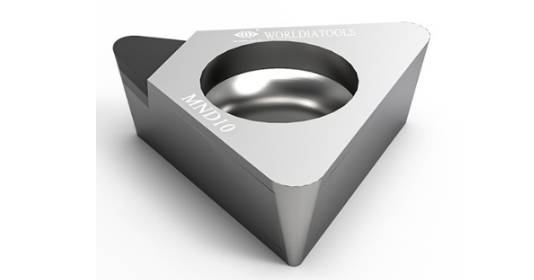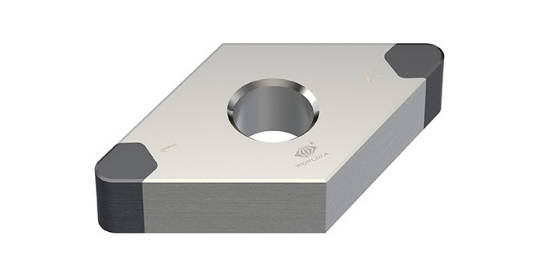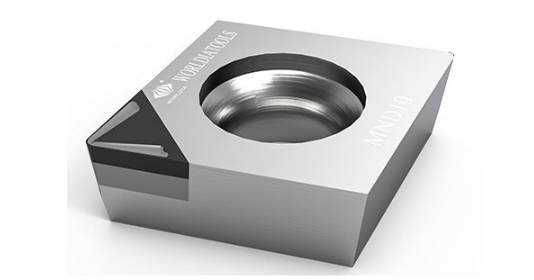


Cosa rende un PCD Inserisci Adatto per la lavorazione di materiali non ferrosi?
Caratteristiche chiave del PCD Inseriscis
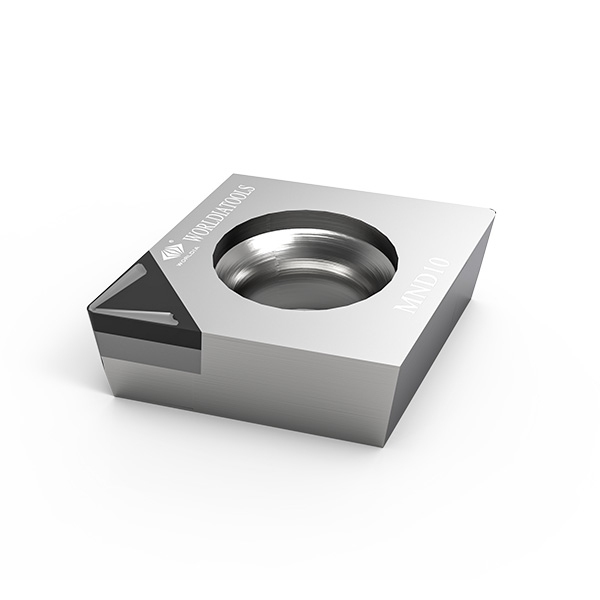
Diamante policristallino (PCD) è un materiale composito. Si forma sinterizzando piccole particelle di diamante con un legante metallico ad alta temperatura e pressione. Questa struttura combina la durezza del diamante con la durezza del carburo. Crea un taglio in grado di gestire condizioni difficili.
Il PCD è costituito da particelle di diamante e substrati in carburo cementato. Si sinterizzano ad alta temperatura e ad alta pressione. Offre sia la resistenza all'usura del diamante che l'alta resistenza del carburo cementato. Queste caratteristiche rendono gli strumenti PCD molto duri e resistenti all'usura. Sono adatti alla lavorazione di alluminio, rame, ottone, magnesio e altri materiali non ferrosi. Tali materiali usureranno rapidamente gli strumenti normali.
Il bordo affilato di un inserto PCD riduce la deformazione del materiale durante il taglio. Ciò aumenta la precisione dimensionale. Migliora anche la qualità della finitura superficiale. Questi aspetti sono molto importanti in settori come l'automobile e l'aerospazio. La precisione conta di più. Gli strumenti PCD mostrano una durezza molto elevata. Hanno una grande conduttività termica. Il loro coefficiente di attrito ed espansione termica è molto basso. Essi mostrano anche una forte inerzia chimica con metalli non ferrosi e materiali non metallici.
Perché i materiali non ferrosi richiedono strumenti di taglio specializzati
I materiali non ferrosi, come le leghe di alluminio o il rame, aderiscono agli strumenti di taglio standard. Ciò accade a causa della loro duttilità. Porta a bordi accumulati che danneggiano la qualità della superficie. Il basso coefficiente di attrito del PCD evita questo problema. Riduce l'incollaggio tra l'utensile e il pezzo. Inoltre, la sua eccellente conduttività termica diffonde bene il calore dalla lavorazione ad alta velocità. Ciò evita danni termici sia all'utensile che alla parte.
Queste caratteristiche consentono agli inserti PCD di mantenere prestazioni costanti. Funzionano bene anche in lunghe serie di produzione con materiali non ferrosi morbidi ma abrasivi. Di conseguenza, i produttori ottengono finiture più lisce. Bisogna anche cambiare meno strumenti.
Come funziona un PCD Inserisci Migliorare l'efficienza di taglio?
Meccanismi dietro prestazioni di lavorazione migliorate
Una ragione principale per una migliore efficienza è il bordo di taglio super duro dell'inserto PCD. Rimane tagliente durante un lungo utilizzo. Resiste all'usura abrasiva molto meglio degli utensili in carburo o HSS. Quindi, il tempo di fermo per la sostituzione degli utensili diminuisce molto. Questa affidabilità garantisce una precisione dimensionale costante durante i cicli di produzione. Tale coerenza è vitale nei compiti di lavorazione di precisione.
Inoltre, la forte rigidità del PCD supporta velocità di alimentazione più elevate. Lo fa senza compromettere l'integrità della superficie. Il mix di durata e precisione aumenta la produttività. Inoltre riduce i costi per pezzo lavorato.
Quali sono i vantaggi di utilizzare PCD Inserisciin operazioni ad alta velocità?
Nelle configurazioni di lavorazione ad alta velocità, l'accumulo di calore spesso riduce la durata dell'utensile. Tuttavia, la forte resistenza al calore del diamante policristallino consente un taglio costante a velocità elevate. Evita la rottura dei bordi. Forze di taglio inferiori significano meno consumo energetico. Inoltre riducono le tensioni meccaniche sui mandrini della macchina.
Le finiture superficiali più lisce sono un altro vantaggio. Gli inserti PCD spesso saltano la necessità di lucidatura secondaria. Creano superfici quasi specchiate direttamente dalla lavorazione. Ciò risparmia tempo e sforzo. Si rivela particolarmente utile per la produzione di massa in settori come l'elettronica o le parti automobilistiche.
Come la geometria degli utensili influisce sulle prestazioni del PCD InserisciS?
Influenza del Edge Design sulla formazione del chip e sulla qualità della superficie
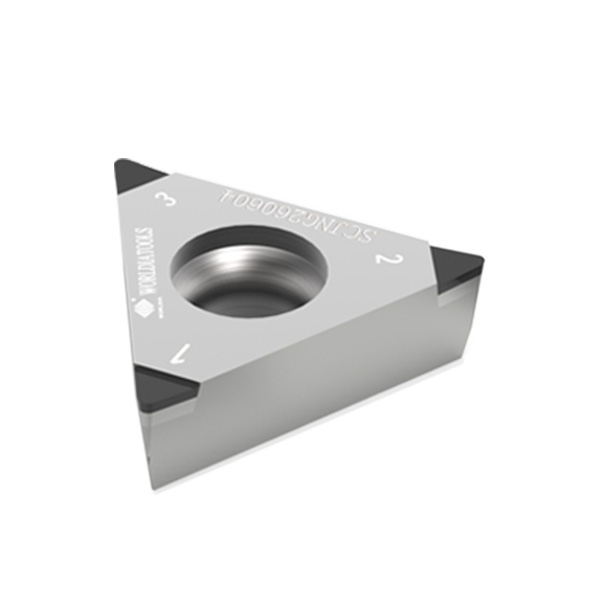
La geometria dell'utensile conta molto nel modo in cui i trucioli si formano e sono chiari durante la lavorazione. Gli angoli ben scelti di rastrello e di liberazione migliorano l'evacuazione dei chip. Ciò aiuta quando si lavora con leghe morbide come alluminio o magnesio. Una buona preparazione dei bordi impedisce il microchipping nei tagli interrotti. Questo è un problema frequente con parti complesse.
La geometria equilibrata mantiene sia la resistenza che la morbidezza. Sopporta diverse condizioni di carico. In Worldia realizziamo i nostri inserti PCD con geometrie regolabili. Le personalizziamo per adattarsi a specifiche caratteristiche del materiale e configurazioni della macchina.
La relazione tra i parametri di taglio e la longevità degli utensili
La velocità di alimentazione, la velocità del fuso e la profondità di taglio influenzano direttamente la durata dell'inserto. Gli inserti PCD gestiscono velocità più elevate rispetto alla maggior parte delle opzioni. Tuttavia, troppa profondità può accelerare l'usura se non controllata. Anche la scelta dei giusti tipi di refrigerante aiuta. Mantiene la stabilità termica nelle operazioni in corso.
Mettendo a punto questi parametri con una solida revisione ingegneristica, gli utenti possono aumentare sia la produttività che il risparmio sui costi da ogni esecuzione degli strumenti.
In che modo fa un PCD Inserisci Contribuire alla produzione sostenibile?
Riduzione dei rifiuti e del consumo energetico
Sostenibilità oggi’ La produzione si basa su una vita più lunga degli utensili e meno sprechi. Gli inserti PCD superano molto quelli in carburo, spesso fino a 50 volte di più. Ciò riduce gli sprechi materiali da scambi frequenti. Il loro taglio efficiente significa anche un minor consumo di energia per pezzo.
Una migliore finitura della superficie salta o riduce passi come la macinazione o la lucidatura. Ciò risparmia più energia e riduce anche i tempi di produzione.
Migliorare l'affidabilità dei processi per ambienti di produzione di massa
I modelli di usura costanti semplificano la pianificazione della manutenzione. I produttori possono pianificare i cambiamenti degli strumenti in anticipo. Evitano le correzioni reattive. Le prestazioni affidabili aiutano i sistemi di automazione. Là, processi costanti sono fondamentali per l'efficienza dell'output.
I tassi di rottamiento più bassi grazie alla lavorazione accurata aiutano gli obiettivi di sostenibilità. Riduce le parti rifiutate. Questa è una misura importante nei piani di produzione ecologica.
Il contributo di Worldia al PCD avanzato Inserisci Tecnologia
Panoramica della competenza di Worldia nelle soluzioni di taglio di precisione
Al Worldia, ci concentriamo sulla creazione di strumenti di taglio superduri ad alte prestazioni. Essi stabiliscono nuovi punti di riferimento di precisione nelle industrie globali. Nel cambiante mondo manifatturiero, lavoriamo duramente per migliorare i nostri prodotti e servizi. Abbiamo lo scopo di soddisfare le vostre esigenze. Le nostre competenze vanno oltre gli strumenti di base. Forniamo soluzioni complete che ottimizzano produttività, affidabilità e risparmio sui costi. Questi si applicano a settori come automobilistica, aerospaziale, produzione di elettronica, sistemi energetici e usi di mobilità elettrica.
Worldia utilizza una vasta gamma di strumenti di diamante PCD, CBN e CVD. Manteniamo forti scorte dalla Germania. Offriamo anche supporto tecnico in loco. Per parti di elettromobilità come case di motori elettrici o compartimenti per batterie in leghe di alluminio, i nostri strumenti PCD garantiscono la massima precisione. Essi funzionano bene anche in ambienti difficili.
Caratteristiche del prodotto che aumentano l'efficienza di lavorazione con Worldia Tools
Il nostro avanzato metodo di sinterizzazione dei diamanti garantisce una durezza uniforme su ogni bordo di taglio. Ciò dà prestazioni affidabili sullo strumento’ della vita. Ogni prodotto riceve controlli approfonditi con attrezzature da produttori leader in tutto il mondo. Questi includono luoghi come Svizzera, Germania e Giappone. Utilizziamo anche alcuni sistemi laser interni per esigenze di precisione in specifici mercati.
Attraverso il continuo progresso tecnico, abbiamo guidato innovazioni chiave nella progettazione e produzione di PCBN, CVD e Inserti PCDForniamo geometrie regolabili per le esigenze uniche del cliente. Ciò potrebbe significare modificare gli angoli di rake o migliorare i progetti di chip breaker. Assicura la migliore adattatura con varie configurazioni della macchina.
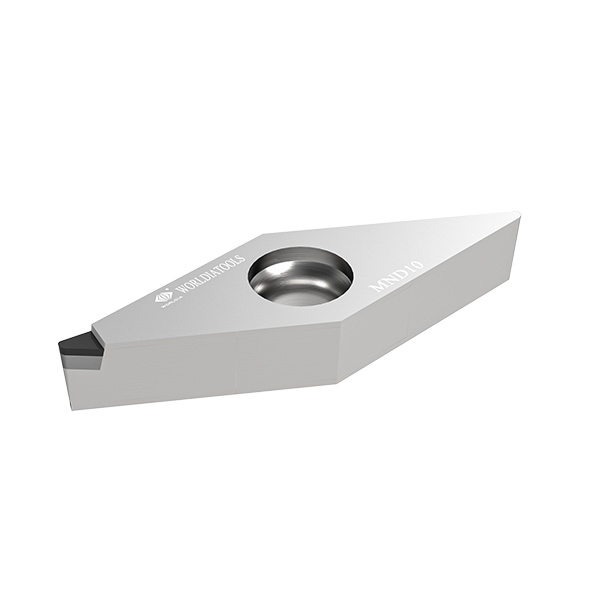
Il controllo della qualità è al centro del nostro approccio. Ogni prodotto ha marcatori tracciabili che annotano il suo lotto di produzione. Ciò fornisce piena apertura durante la sua vita. Il nostro impegno ci consente di offrire soluzioni affidabili. Rispettiamo i nostri obblighi ambientali attraverso la conformità ISO 14001.
Domande frequenti
Q: Quali materiali possono essere lavorati efficacemente utilizzando un PCD inserire?
A: gli inserti PCD brillano nella manipolazione di materiali non ferrosi. Questi includono leghe di alluminio, rame, ottone e compositi di magnesio. Funzionano anche bene sulle plastiche rinforzate con fibra di carbonio. Gli strumenti in carburo regolari spesso falliscono qui a causa della rapida usura o della cattiva qualità della finitura.
Q: Quanto dura un PCD inserire tipicamente ultimo rispetto agli strumenti in carburo?
A: Dipende da fattori come il tasso di alimentazione o la durezza del pezzo. Un inserto di diamante policristallino ben tenuto può durare 10-50 volte più a lungo rispetto a simili opzioni in carburo. Mantiene una precisione dimensionale costante per tutta la sua vita utile.
Q: Può un PCD usurato inserire essere riaffilati o ricondizionati?
R: Sì. Molte strutture esperte, tra cui le nostre, forniscono servizi di affilamento. Utilizziamo precisi metodi laser o EDM per ripristinare la forma originale. Ciò non compromette la resistenza strutturale. Tali servizi estendono l'uso mantenendo gli elevati standard di prestazioni degli strumenti premium di Worldia.