
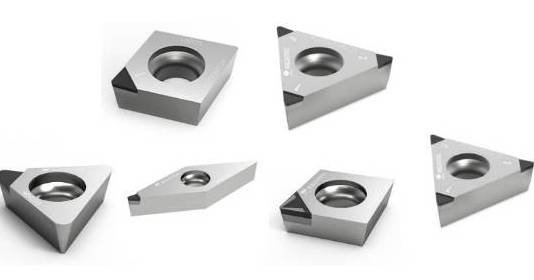
Che cosa sono gli utensili diamantati in PCD e perché vengono utilizzati nel taglio ad alta velocità?
Composizione e struttura degli utensili diamantati in PCD
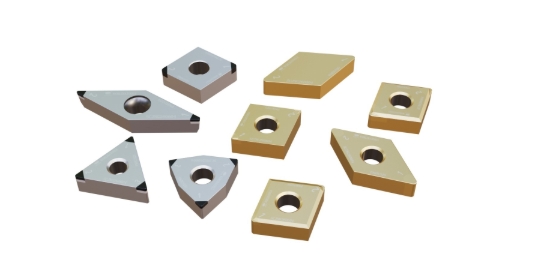
utensili in PCD (diamante policristallino) I diamanti sintetici sono realizzati sinterizzando particelle di diamante con un legante metallico ad alta temperatura e pressione. Questo processo forma una struttura composita che unisce l'elevata durezza del diamante alla tenacità del carburo. Il risultato è un'elevata resistenza all'usura e una buona conduttività termica. Il diamante policristallino (PCD) è costituito da particelle di diamante e substrati di carburo cementato sinterizzati ad alta temperatura e alta pressione. Possiede sia la resistenza all'usura del diamante che l'elevata resistenza meccanica del carburo cementato.
La particolare struttura degli utensili diamantati in PCD consente loro di funzionare in modo ottimale nelle lavorazioni meccaniche di precisione. Offrono prestazioni eccellenti su materiali non ferrosi come leghe di alluminio, compositi e materie plastiche. La loro elevata durezza permette loro di resistere all'usura abrasiva molto meglio dei comuni utensili in carburo o ceramica. Mantengono l'affilatura anche dopo lunghe sessioni di taglio ad alta velocità.
Vantaggi degli utensili in PCD nelle operazioni di lavorazione continua
Nelle lavorazioni di precisione, gli utensili da taglio in diamante PCD garantiscono prestazioni costanti del tagliente anche ad alte velocità. La loro elevata conduttività termica dissipa rapidamente il calore dalla zona di taglio, prevenendo guasti prematuri. Questi utensili mantengono una qualità di finitura superficiale costante anche durante cicli di produzione prolungati, riducendo i tempi persi a causa dei frequenti cambi utensile.
Nel settore manifatturiero in continua evoluzione, ci impegniamo a migliorare costantemente i nostri prodotti e servizi per soddisfare le vostre esigenze. Il nostro obiettivo è fornire utensili da taglio e soluzioni in linea con le ambizioni della vostra azienda, crescendo ed evolvendo insieme a voi. Questa costante performance si traduce in una maggiore produttività e in costi inferiori in settori come quello automobilistico, aerospaziale ed elettronico, dove la precisione è fondamentale.
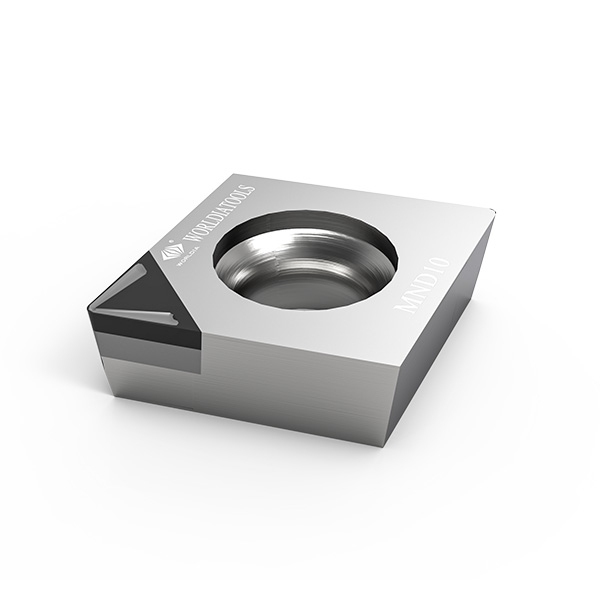
Come si sviluppano i meccanismi di usura negli utensili diamantati in PCD durante il taglio continuo?
Effetti di abrasione meccanica e micro-scheggiatura
Nella lavorazione ad alta velocità, le particelle dure presenti nel pezzo in lavorazione possono abradere leggermente il tagliente. Nel tempo, le continue sollecitazioni di contatto creano piccole scheggiature. Queste scheggiature smussano gradualmente il tagliente. L'usura abrasiva diventa più evidente durante la lavorazione di metalli non ferrosi o compositi rinforzati. La ragione risiede nella durezza delle loro particelle. Graffi e piccole fratture usurano progressivamente gli inserti diamantati in PCD.
Degradazione termica in condizioni di alta velocità
A temperature più elevate, il diamante inizia a trasformarsi in grafite. Questa trasformazione indebolisce la sua struttura cristallina. L'ossidazione sulla superficie di taglio accelera il danneggiamento. Una scarsa dissipazione del calore può creare tensioni localizzate che arrotondano il tagliente o causano rotture improvvise. In questi casi è necessario un buon raffreddamento per prolungare la durata dell'utensile.
Quali fattori influenzano la gravità dell'usura negli utensili in PCD?
L'impatto delle proprietà del materiale del pezzo in lavorazione
I livelli di usura dipendono principalmente dalle caratteristiche del pezzo in lavorazione, come la durezza e l'abrasività. Ad esempio, le leghe di alluminio con silicio possono graffiare duramente i diamanti in PCD perché il silicio è tenace contro i bordi del diamante. Anche i compositi rinforzati con fibre creano forze non uniformi durante il taglio. Queste forze aumentano la probabilità di scheggiatura dei bordi.
Effetti della velocità di taglio, della velocità di avanzamento e della geometria dell'utensile
Una velocità di taglio eccessiva spinge il calore oltre il limite di sicurezza per gli utensili diamantati in PCD. Velocità di avanzamento errate creano una pressione non uniforme sulla superficie di taglio e portano a una rottura precoce del tagliente. Un angolo di spoglia e un gioco adeguati riducono il calore da attrito e favoriscono l'espulsione regolare dei trucioli. Questi accorgimenti mantengono costanti le prestazioni dell'utensile anche in condizioni difficili.
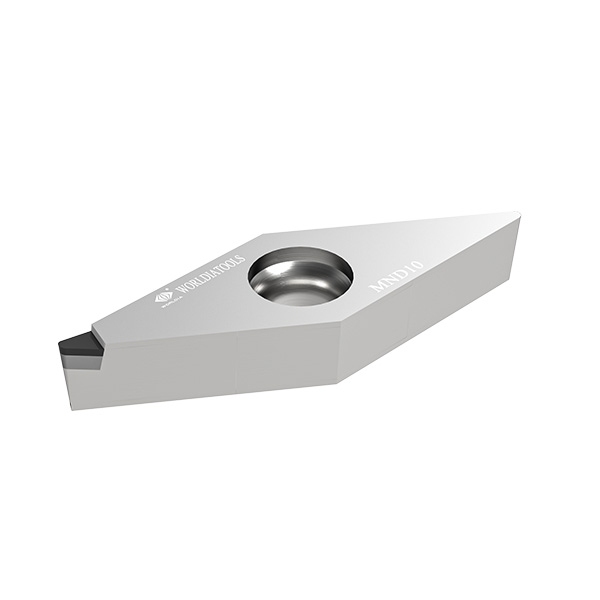
Come si può ridurre al minimo l'usura per prolungare la durata degli utensili?
Tecniche avanzate di raffreddamento e lubrificazione
Per ridurre l'usura degli inserti diamantati in PCD è necessario un buon controllo della temperatura. Metodi come la lubrificazione a quantità minima (MQL) o il raffreddamento criogenico con azoto liquido sono d'aiuto. Riducono lo stress termico senza utilizzare troppo refrigerante e proteggono l'utensile sotto carichi pesanti. Una lubrificazione adeguata impedisce inoltre che il materiale si attacchi ai taglienti. Questo fenomeno si verifica spesso con i metalli non ferrosi.
Strategie di rivestimento superficiale e preparazione dei bordi
I rivestimenti protettivi possono rallentare l'usura per diffusione creando una barriera tra l'utensile e il pezzo in lavorazione. L'affilatura laser rende il tagliente più liscio eliminando minuscoli difetti che potrebbero innescare crepe in seguito. Le fasi di pre-condizionamento aumentano la resistenza del tagliente alle forze di scheggiatura durante le lavorazioni ad alta velocità.
In quali ambiti Worldia eccelle nell'innovazione degli utensili diamantati in PCD?
L'esperienza di Worldia nelle soluzioni di taglio di precisione
In Worldia ci concentriamo su utensili diamantati PCD ad alte prestazioni Progettati per la lavorazione industriale che richiede elevata precisione e lunga durata. L'attenzione è rivolta ad applicazioni con elevate esigenze di precisione, affidabilità del processo ed economicità, che spaziano dalla mobilità elettrica e aerospaziale ai settori medico, energetico ed elettronico, nonché alla produzione di utensili e stampi. La nostra competenza si estende a molteplici aree, tra cui componenti per la mobilità elettrica come alloggiamenti per motori elettrici e vani batteria, dove la precisione è fondamentale per prestazioni costanti.
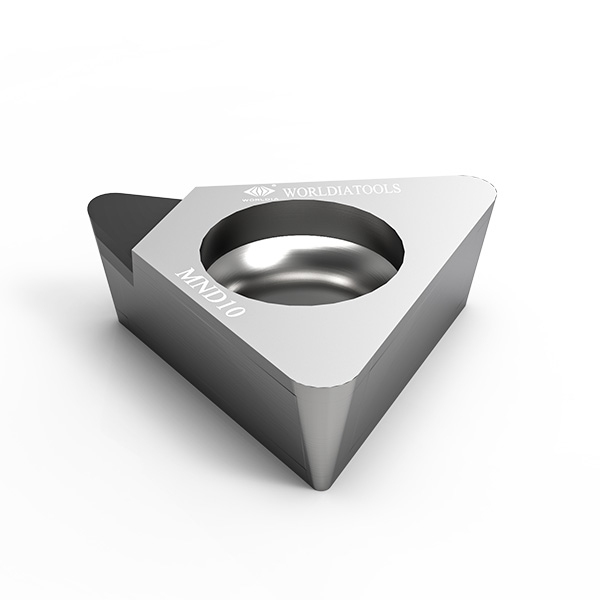
Caratteristiche principali della gamma di prodotti PCD di Worldia
1. Utensili per fresatura ad alta velocità
Le nostre frese ad alta velocità sono progettate per il taglio di leghe di alluminio, materiali compositi e altri materiali non ferrosi che richiedono finiture superficiali di alta qualità ad elevate velocità del mandrino.
2. Inserti e alesatori per tornitura in PCD
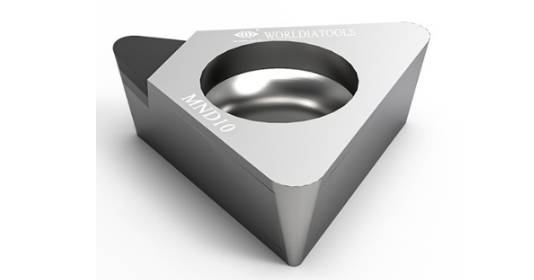
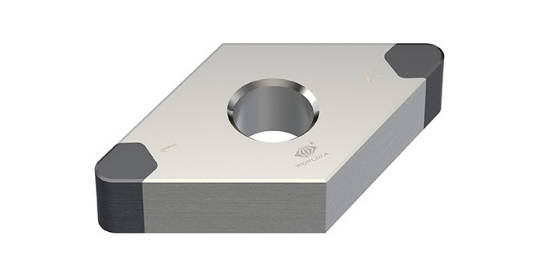
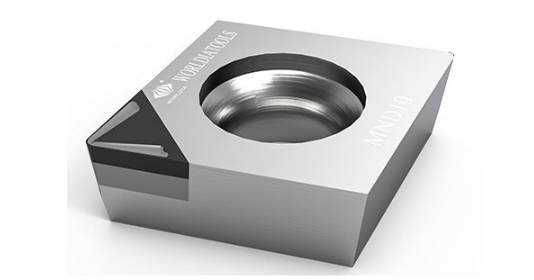
WorldiaGli inserti diamantati in PCD offrono un'elevata precisione dimensionale con un'usura ridotta, anche in cicli di produzione prolungati. Sono ideali per garantire una qualità costante dei pezzi nel tempo.
3. Soluzioni di utensili personalizzate
Offriamo forme personalizzate che migliorano il flusso dei trucioli e riducono le vibrazioni ad alte velocità. Queste modifiche aumentano la produttività e la qualità superficiale in numerose applicazioni industriali.
Grazie a un costante lavoro tecnico, abbiamo apportato miglioramenti concreti alla progettazione e alla realizzazione di inserti in PCBN, PCD e CVD, nonché di prodotti correlati. Il nostro approccio globale garantisce che ogni utensile da taglio diamantato in PCD soddisfi rigorosi standard qualitativi, supportati da processi produttivi certificati ISO.
Domande frequenti
Q: Perché gli utensili diamantati in PCD si usurano più rapidamente durante la lavorazione di materiali ferrosi?
A: Il PCD reagisce con il ferro ad alte temperature. Questa reazione trasforma le particelle di diamante in grafite. Tale trasformazione indebolisce il composito e ne accelera l'usura.
Q: Come posso capire se il mio utensile PCD è usurato?
A: I segnali includono forze di taglio più elevate, scheggiature visibili sui bordi, finitura superficiale inferiore dei pezzi o errori dimensionali che superano i limiti stabiliti.
Q: Quali pratiche di manutenzione contribuiscono a prolungare la durata degli utensili in PCD?
A: Dopo ogni utilizzo, controllate gli utensili con una lente d'ingrandimento per individuare tempestivamente eventuali piccoli danni. Puliteli accuratamente per evitare accumuli di residui. Conservateli correttamente per prevenire l'ossidazione. Seguite le impostazioni di lavorazione consigliate per ottenere la massima durata da ogni set di utensili diamantati in PCD di Worldia.