

Quali sono i Dressers Diamond nella manutenzione della ruota di macinazione?
Come funzionano le confezionatrici di diamante nei processi di macinazione?
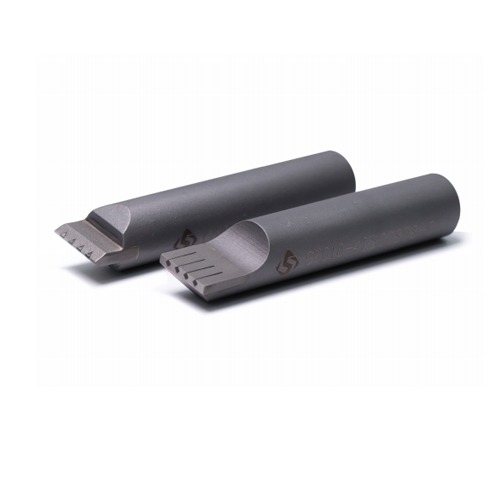
Comodi di diamante agire come strumenti precisi dotati di diamanti industriali duri. Aiutano le ruote di macinatura vere e vestite. Nei compiti di macinatura, i granuli ruvidi sulla ruota perdono lentamente il loro bordo. Raccoglie anche pezzi di rifiuti. Questo abbassa la ruota’ Potenza di taglio s. Il camerino diamante rimuove questi granelli noiosi. Rivela punti di taglio freschi e entusiasti sulla ruota’ Il volto. Quindi, questa azione riporta la ruota’ forma s. Garantisce anche risultati di taglio costanti e controllo esatto delle dimensioni.
Il compito di abbigliamento svolge un ruolo chiave nel mantenere la ruota’ forma, equilibrio e stato del volto. Gli operatori possono ottenere la migliore nitidezza delle ruote e qualità della faccia gestindo con attenzione le velocità di alimentazione e gli angoli di tocco. In lavori attenti come la finitura di pezzi di auto o la realizzazione di pezzi di piano, le comode di diamante assicurano che le ruote di macinazione forniscano una precisione affidabile durante lunghi periodi di lavoro.
Perché i diamanti vengono utilizzati per le ruote da vestire?
Le persone scelgono i diamanti per il rivestimento delle ruote poiché sono la sostanza più dura conosciuta. Ciò consente loro di tagliare e formare altri materiali grezzi. La loro grande resistenza li aiuta a rimuovere rapidamente le sostanze dure come l'ossido di alluminio o il carburo di silicio dalle ruote di macinazione. E lo fanno con poco danno a se stessi. La qualità duratura del diamante garantisce un lavoro affidabile anche dopo molti giri di vestitura.
Inoltre, l'esattezza delle punte di diamante consente un'attenta sintonia delle facce di macinazione. Ciò è fondamentale per mantenere rigorosi limiti nella realizzazione dei processi. CVD Diamond funziona come la scelta migliore per prendere il diamante naturale presto. Truing e vestire tenere punti importanti in oggi’ compiti di macinazione. Aiutano a rimuovere i pezzi usurati, aumentano la nitidezza, la rotondezza e la forma della ruota. Questa caratteristica trasforma le comode di diamante in oggetti indispensabili nelle attuali impostazioni della macchina dove l'esattezza e la qualità del viso sono più importanti.
Tipi di confezionatori di diamante e le loro applicazioni
Quali sono le principali categorie di Dressers Diamond?
Diversi tipi chiave di camerino diamante vedono uso in vari campi:
- Comodi in diamante a punto singoloavere una punta di diamante impostata in un'inclinazione attenta. Questi costumi sono ideali per la formatura dettagliata e l'ottenimento di finiture di alta qualità su ruote di macinazione piccole o difficili.
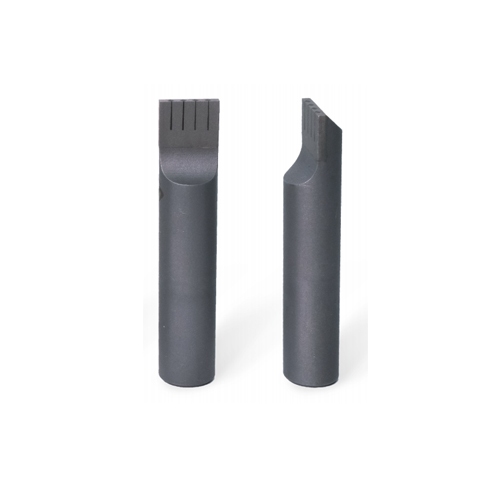
- Comodi a diamanti multi-puntotenere diversi diamanti impostati in una base. Offrono velocità di vestimento più veloci su grandi aree grazie a molti punti touch.
- Comodi con diamanti impregnatimescolare piccoli pezzi di diamante in tutta una base di legame. Mentre lo strumento viene indossato, nuovi diamanti appaiono costantemente. Ciò consente allo strumento di mantenere il lavoro di confezionamento forte per lunghi periodi.
Come scegliere il tipo giusto per una specifica operazione di macinazione?
Scegliere il miglior camerino diamante dipende da alcune cose. Questi includono la resistenza della ruota, la dimensione del grano, la finitura della faccia desiderata, il tipo di macchina e la frequenza con cui avviene il dressing. Gli strumenti a punto singolo funzionano bene per lavori di finitura esatti dove il controllo del modulo è molto importante. I tipi multi-punto o impregnati si adattano meglio a compiti pesanti che richiedono un vestimento regolare o rapido.
Ad esempio, quando si manipolano oggetti duri come la ceramica o gli acciai duri, le comode in diamante impregnate o multipunto CVD durano più a lungo. Ciò deriva dalla loro forte resistenza all'usura. D'altra parte, lavori di finitura attenti - come la costruzione di utensili o la macinazione di piccole parti - guadagnano dagli utensili a punto singolo. Questi consentono un'attenta fissazione della forma.
Il processo di utilizzo efficace di dresser di diamante
Quali sono i passaggi coinvolti nel vestire una ruota da macina?
Un buon uso di un camerino di diamanti richiede un'attenta impostazione e supervisione:
- Fissare saldamente il comodino in un'inclinazione adatta alla faccia della ruota di macinazione.
- Utilizzare velocità di alimentazione uniformi per evitare scuotere o troppa usura.
- Per gli utensili a punto singolo, girare o spostare spesso la comoda. Questo mantiene anche l'usura sulla punta del diamante.
- Mantenere un flusso costante di refrigerante durante il lavoro. Questo riduce l'accumulo di calore.
- Controllare lo strumento e la ruota dopo ogni giro. Questo conferma la fissazione del modulo.
Questi passaggi aiutano a mantenere un contatto uniforme tra la comoda e la faccia della ruota. Inoltre garantiscono un lavoro fluido durante le corse.
Fattori che influenzano la qualità dell'abbigliamento e la vita degli utensili
Un certo numero di impostazioni modellano sia la qualità dell'abbigliamento che la durata dell'utensile:
- Il rapporto di velocità di confezionamento tra camerino e ruota cambia la rugosità del viso che ne risulta. I rapporti più alti spesso portano finiture più lisce.
- L'uso giusto del refrigerante riduce la tensione termica sia sull'utensile che sul pezzo di lavoro.
- L'allineamento accuracystops segni di usura irregolari che potrebbero tordere la forma della ruota.
Controlli di manutenzione costanti assicurano che ogni parte funzioni al meglio sotto impostazioni di fabbrica dure.
Vantaggi dell'uso di confezionatori di diamante nella macinazione industriale
Come migliorano le confezionatrici di diamante l'efficienza e la precisione?
Le comode in diamante mantengono costante la nitidezza della ruota mostrando sempre nuovi bordi ruvidi. Ciò porta a una migliore potenza di taglio, meno calore di sfregamento e una maggiore stabilità delle dimensioni nei lavori della macchina.
Di conseguenza, i produttori affrontano meno tempi di fermo a causa di meno cambiamenti di ruote o esigenze di riequilibrio. Ciò aumenta notevolmente la produzione in tutte le linee di lavoro. La migliore finitura del viso grazie ad un'accurata vestitura aggiunge anche all'esattezza nella parte superiore in aree come i sistemi di ingranaggi dell'auto o le parti del motore dell'aereo.
Vantaggi ambientali e sui costi degli strumenti di rivestimento di diamanti
Comodi diamanti di alta qualità portano chiari guadagni verdi allungando la vita degli utensili. Essi tagliano anche i rifiuti rispetto ai vecchi materiali come bastoni in carburo o puntini in acciaio. L'uso intelligente delle ruote di macinazione riduce l'uso totale del materiale. Allo stesso tempo, mantiene il lavoro di risparmio energetico attraverso tagli più facili.
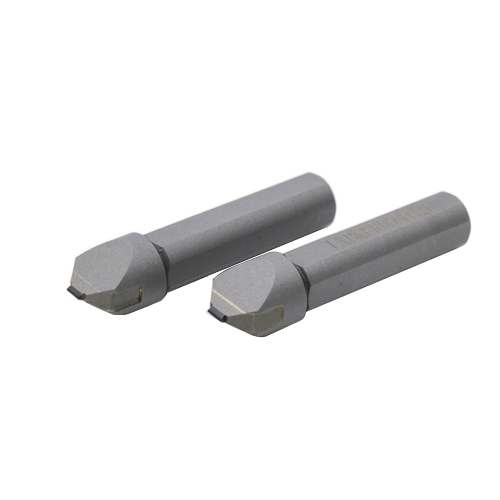
La ruota di strisciatura di diamante HD può tenere il bordo di taglio del vetro con buona piattezza. Questo riduce bene i costi di macinazione. Allo stesso modo, le comode a base di CVD forti richiedono meno scambi nel tempo. Ciò riduce sia i costi di funzionamento che i danni ambientali causati dallo scarto degli strumenti.
La competenza di Worldia nella produzione di confezionatori di diamanti
Cosa rende le confezionatrici di diamante di Worldia distinte?
Al Worldia, ci concentriamo sulla costruzione di strumenti superduri ad alto lavoro per molti usi di fabbrica. Nel cambiante campo della produzione, lavoriamo duramente per migliorare i nostri beni e aiutare a soddisfare le vostre esigenze. La nostra linea contiene strumenti avanzati PCD (diamante policristallino), PCBN (nitruro di boro cubico), MCD (diamante monocristallino) e CVDD (diamante depositato a vapore chimico). E tra loro, le comode di diamanti fatte con cura provengono da top tech.
Il catalogo di prodotti Worldia comprende principalmente utensili di taglio ad alta precisione CBN / PCD / CVD, utensili di taglio in carburo solido, ruote di strisciatura di diamanti e accessori correlati. Ogni camerino utilizza diamanti top uniti in modi speciali. Ciò garantisce una diffusione uniforme e una migliore forza articolare. Diamo tipi a punto singolo per la formazione super-esatta. Offriamo anche tipi multi-punto per grandi punti di fabbricazione dove conta la velocità.
I nostri team di progettazione continuano a creare nuove idee dall'input dell'acquirente. Costruiscono soluzioni personalizzate sintonizzate per macchine o cose del set. Ciò promette fiducia anche in stati di lavoro duri.
Applicazioni in diversi settori utilizzando gli strumenti Worldia
Le nostre comode diamante operano in molti settori:
- Nella fabbricazione automobilistica, aiutano lavori di finitura dettagliati come i giornali dell'albero manivellale o le facce del sedile della valvola. Questi richiedono limiti a piccoli livelli.
- Nel settore aerospaziale, forniscono un lavoro costante durante la sintonia delle ruote per miscele di titanio o parti giunte.
- Nella fabbricazione degli utensili, consentono una chiave di precisione costante per la realizzazione di forme o stampi con forme dure.
Il produttore cinese di utensili Worldia si concentra su lavori con grandi esigenze di precisione, fiducia e risparmio sui costi. Questi vanno dall'emobilità e aerospaziale alla medicina, all'energia, all'elettronica e alla costruzione di strumenti. La nostra promessa va oltre la buona fornitura. Offriamo consulenza tecnica ai clienti. Questo aiuta a sintonizzare i passaggi di macinazione attraverso la scelta giusta delle impostazioni di abbigliamento.
Domande frequenti
D: Quante volte si dovrebbe vestire una ruota da macinatura con una comodita di diamanti?
A: La regolare confezione leggera mantiene il lavoro superiore senza troppa usura degli strumenti. Quante volte succede dipende dalla forza. Ma dovrebbe avvenire ogni volta che il blocco della ruota riduce la potenza di taglio.
D: Le comode di diamante possono essere riutilizzate dopo l'usura?
R: Sì. I tipi multi-punto o impregnati continuano a funzionare bene. Questo perché nuovi strati di diamanti si presentano da soli durante il lavoro.
D: Quali precauzioni di sicurezza dovrebbero essere prese quando si utilizzano comode di diamante?
R: Gli operatori devono controllare l'inclinazione del montaggio fermo prima dell'uso. Indossare sempre gli occhi di sicurezza. Utilizzare il refrigerante nel modo giusto. Evitare troppa spinta che potrebbe danneggiare la punta della comoda o la faccia di macinazione durante la rotazione rapida.