
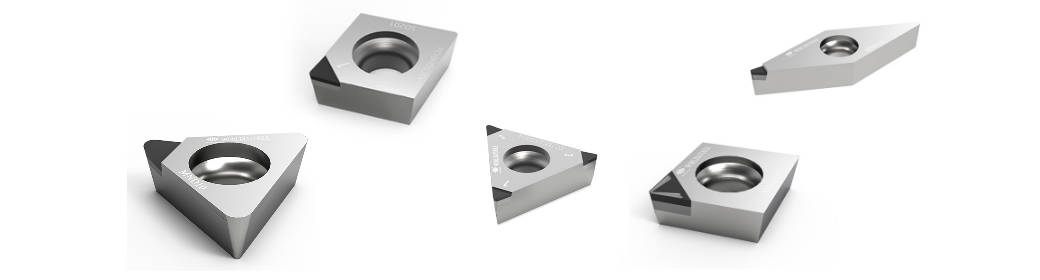
Cosa sono gli utensili in diamante policristallino (PCD) e come vengono realizzati?
Composizione e struttura degli strumenti PCD
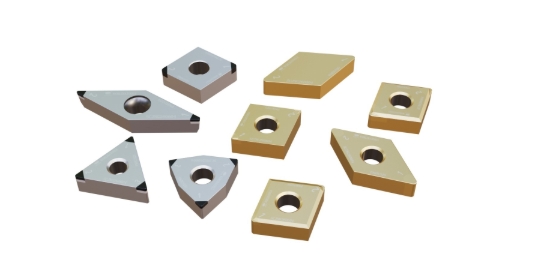
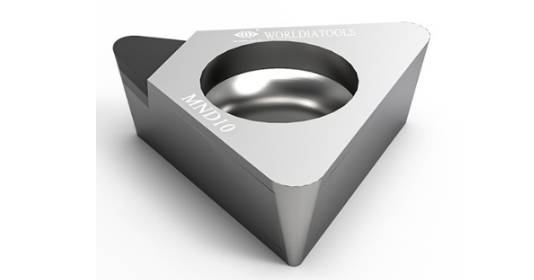
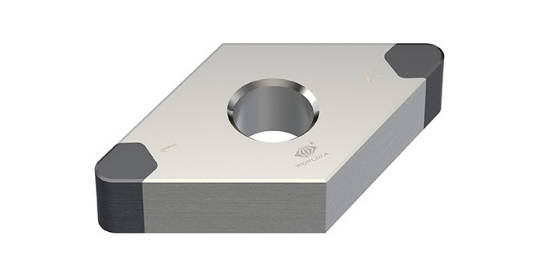
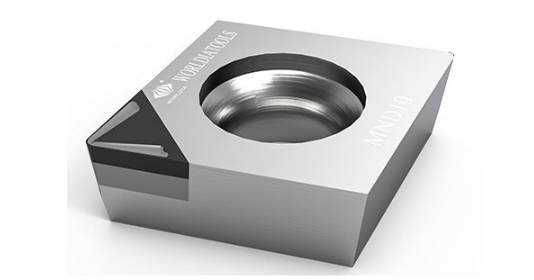
Diamante policristallino (PCD) È realizzato con particelle di diamante e substrati in carburo cementato. Questi componenti vengono sottoposti a sinterizzazione ad alta temperatura e pressione. Questo processo crea un materiale composito che combina l'elevata durezza del diamante con la tenacità del carburo. Il risultato sono utensili in grado di gestire efficacemente condizioni di lavorazione impegnative. Le finissime particelle di diamante si legano saldamente, creando uno strato tagliente denso su una base di carburo. Questa struttura migliora la resistenza all'usura e la robustezza meccanica. Gli utensili in PCD mantengono la precisione di taglio anche in condizioni di elevato stress. Il substrato in carburo offre un valido supporto al fragile strato di diamante, contribuendo a migliorare la resistenza agli urti e a prevenire le fratture durante le lavorazioni più gravose. Questa combinazione conferisce agli utensili in PCD un solido equilibrio tra durezza e resilienza, rendendoli ideali per lavorazioni di precisione.
Come il processo di produzione influisce sulle prestazioni degli utensili
Nella produzione di PCD, parametri di sinterizzazione come temperatura, pressione e granulometria influenzano le prestazioni degli utensili. I materiali PCD a grana fine creano taglienti più affilati, adatti alle operazioni di finitura. I grani più grossolani aumentano la tenacità e facilitano le lavorazioni di sgrossatura. La distribuzione uniforme dei grani di diamante nella matrice mantiene costanti i modelli di usura e garantisce un taglio stabile anche durante lunghi cicli di produzione. Nel settore manifatturiero in continua evoluzione, ci impegniamo a migliorare costantemente i nostri prodotti e servizi per soddisfare le vostre esigenze. Nei nostri processi di produzione di materiali PCD, manteniamo un controllo preciso sulla struttura dei grani e sulla composizione del legante. Questo controllo garantisce un'integrità del tagliente superiore e riduce le micro-scheggiature, fattori che contribuiscono a definire la longevità degli utensili.
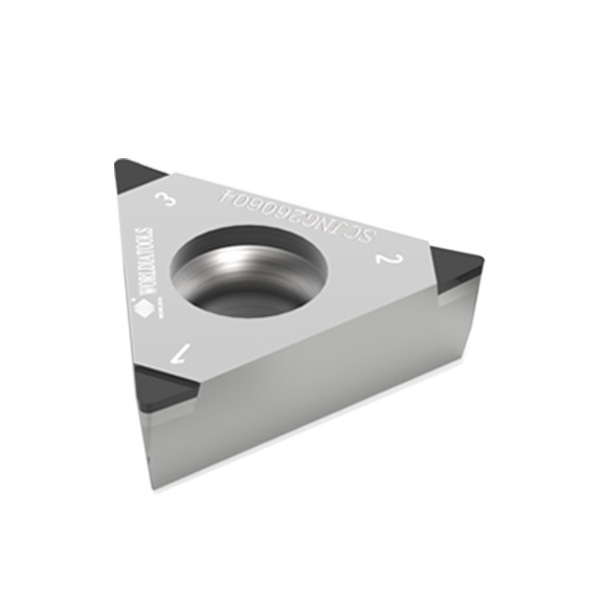
Perché gli utensili in PCD sono ideali per la lavorazione di materiali duri e abrasivi?
Quali sono i vantaggi della durezza del diamante nelle lavorazioni meccaniche di precisione?
Il diamante possiede una durezza ineguagliabile. Ciò consente agli utensili in PCD di tagliare materiali resistenti, tra cui ceramiche, compositi, grafite e metalli temprati. Il taglio avviene con un'usura minima. I taglienti affilati riducono l'attrito all'interfaccia utensile-pezzo, diminuendo la generazione di calore e riducendo i danni superficiali sui pezzi finiti. Grazie alla loro durata, gli utensili in PCD hanno una vita utile molto più lunga, generalmente da 10 a 50 volte superiore rispetto agli utensili in carburo convenzionali. Questa maggiore durata riduce i tempi di inattività nella produzione di precisione. Gli utensili in PCD presentano un'elevatissima durezza e un'eccellente conducibilità termica. Hanno un coefficiente di attrito e di dilatazione termica molto bassi. Mostrano una maggiore inerzia chimica nei confronti dei metalli non ferrosi e dei materiali non metallici. Queste caratteristiche li rendono fondamentali per i settori che richiedono precisione con tolleranze minime.
Come resistono gli utensili in PCD all'usura in ambienti abrasivi?
Il PCD mantiene l'integrità del tagliente anche su pezzi abrasivi, come leghe di silicio-alluminio o compositi a matrice metallica (MMC). Il suo basso coefficiente di attrito riduce l'accumulo di calore, soprattutto durante i lunghi contatti con superfici dure, prevenendo così la degradazione o la deformazione precoce del tagliente. La resistenza all'usura deriva dalla composizione ottimizzata del materiale PCD, che garantisce la costanza dimensionale per lunghi cicli di produzione. I produttori riscontrano un minor numero di sostituzioni degli utensili e ottengono una maggiore uniformità dei pezzi. Questo vantaggio è fondamentale in settori come quello aerospaziale o della lavorazione di componenti automobilistici.
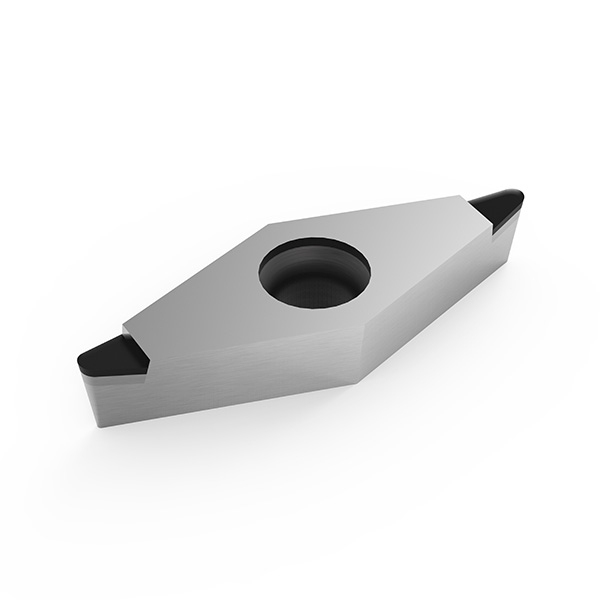
In che modo gli utensili in PCD migliorano la precisione e la qualità della superficie?
Quali fattori influenzano la finitura superficiale durante la lavorazione meccanica?
I taglienti stabili svolgono un ruolo chiave nel raggiungimento di finiture superficiali di alta qualità. La struttura rigida del diamante riduce le vibrazioni durante il taglio, minimizzando la formazione di micro-scheggiature e contribuendo a mantenere elevata la qualità della superficie. Gli angoli di spoglia ottimizzati, ottenuti tramite modellazione computerizzata avanzata, migliorano ulteriormente il controllo del flusso dei trucioli. Le geometrie di precisione di Worldia garantiscono transizioni fluide tra le passate, consentendo di ottenere finiture a specchio su materiali duri, come le leghe di alluminio o i componenti compositi utilizzati nei veicoli elettrici.
In che modo la conduttività termica migliora la precisione della lavorazione?
Il diamante possiede un'eccezionale conduttività termica. Diffonde rapidamente il calore dalla zona di taglio, stabilizzando le temperature dell'utensile e del pezzo in lavorazione. Questo processo si verifica soprattutto durante le lavorazioni ad alta velocità. Il controllo della temperatura impedisce le distorsioni dovute all'espansione termica, che potrebbero compromettere la precisione dimensionale. Una gestione termica costante garantisce una precisione ripetibile, rendendo il diamante ideale per applicazioni che richiedono tolleranze ristrette, come ad esempio i componenti delle turbine aerospaziali o gli involucri dei dispositivi medicali.
In quali settori industriali vengono utilizzati più comunemente gli strumenti PCD?
Applicazioni in diversi settori
industria automobilistica
Strumenti PCD Sono ampiamente utilizzati per la lavorazione di componenti in lega di alluminio per motori. Questi componenti richiedono un controllo preciso delle tolleranze. Tra questi figurano testate, carter frizione e pinze freno. Per l'elettromobilità, Worldia individua applicazioni fondamentali nella lavorazione di componenti in alluminio. Tra questi, carter per motori elettrici, vani batteria e componenti del telaio. La loro efficienza riduce i tempi di ciclo e garantisce una qualità di finitura costante.
Settore aerospaziale
Nel settore aerospaziale, i materiali compositi leggeri dominano la progettazione strutturale. Gli utensili in PCD garantiscono tagli netti senza delaminazione o estrazione delle fibre. La sua capacità di resistere alle fibre abrasive lo rende ideale per la produzione di sezioni di fusoliera o pale di turbina in materiale composito. Questi componenti richiedono un'estrema stabilità dimensionale.
La precisione è altrettanto fondamentale nella produzione di componenti elettronici. Materiali non ferrosi come rame o silicio vengono lavorati per realizzare connettori o involucri per semiconduttori. L'elevata resistenza all'usura del PCD garantisce prestazioni stabili durante i processi di fabbricazione su scala micrometrica.
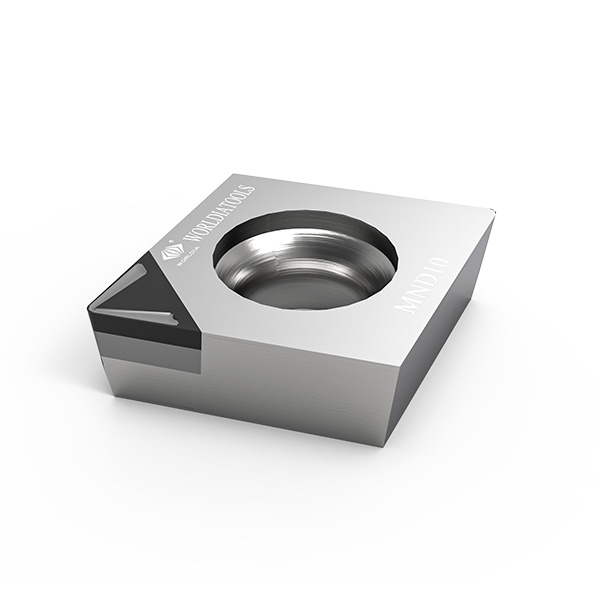
In che modo Worldia contribuisce al progresso della tecnologia degli utensili PCD?
Panoramica delle competenze di Worldia nelle soluzioni di utensili diamantati
Con una forte attenzione alla precisione e all'innovazione, siamo specializzati nello sviluppo di utensili da taglio e materiali funzionali al diamante. La nostra competenza spazia dalle tecnologie per utensili superduri, tra cui inserti in PCBN, diamanti CVD, inserti in MCD e soluzioni avanzate con diamante policristallino. Queste soluzioni sono adatte a diversi settori industriali. Worldia è diventata una delle aziende leader e più rinomate al di fuori della Cina. Questa posizione è frutto dell'attenzione alla tecnologia, all'innovazione, all'eccellenza dei processi produttivi interni e al rispetto dei più elevati standard qualitativi dei clienti globali. Garantiamo il controllo completo di ogni fase, dalla sintesi delle materie prime all'ispezione finale, assicurando prestazioni costanti in condizioni industriali.
Caratteristiche della linea di utensili in diamante policristallino di Worldia
Efficienza di taglio e durata
I nostri utensili in diamante policristallino sono progettati per garantire una lunga durata. Questa progettazione è efficace anche nella lavorazione di materiali altamente abrasivi come la grafite o i compositi a matrice metallica (MMC). Grazie a raffinate tecniche di produzione del PCD, ottimizziamo la forza di legame tra i grani. Tale ottimizzazione migliora la tenuta del filo e la produttività complessiva.
Opzioni di personalizzazione per diverse applicazioni
Offriamo geometrie personalizzate. Queste geometrie sono adatte per tornitura, fresatura, foratura, alesatura e altre applicazioni speciali. Queste configurazioni si adattano ai processi specifici dei clienti nei settori automobilistico ed elettronico. Grazie al continuo progresso tecnologico, abbiamo apportato innovazioni significative nella progettazione e produzione di inserti in PCBN, PCD e CVD.
Standard di garanzia della qualità
Qualità, tracciabilità e integrità produttiva sono i pilastri fondamentali del nostro posizionamento. A ogni prodotto viene assegnato un numero di serie univoco. Questo numero garantisce la completa tracciabilità lungo tutti i lotti di produzione, secondo sistemi certificati ISO 9001. I nostri rigorosi protocolli di ispezione garantiscono l'affidabilità anche in condizioni operative estreme.
Domande frequenti
Q: Quali materiali possono essere lavorati efficacemente utilizzando utensili in diamante policristallino?
A: Gli utensili in PCD sono ideali per metalli non ferrosi come leghe di alluminio o rame. Sono adatti anche a materiali compositi, ceramiche, grafite, plastiche rinforzate con fibra di carbonio (CFRP) e altre sostanze abrasive. Queste sostanze causano una rapida usura dei sistemi di utensili convenzionali.
Q: Quanto durano in genere gli utensili in diamante policristallino rispetto a quelli in carburo?
R: Sebbene la durata effettiva vari in base a parametri applicativi come la velocità o la velocità di avanzamento, gli utensili in PCD durano generalmente da 10 a 50 volte di più rispetto ai corrispondenti utensili in carburo. Questa maggiore durata è dovuta alla loro durezza, che resiste alla deformazione sotto pressione estrema.
Q: Gli utensili in diamante policristallino possono essere riaffilati o riutilizzati dopo l'usura?
R: Sì. Molti modelli possono essere ricondizionati tramite attrezzature di rettifica specializzate offerte dal servizio di rifinitura di Worldia. Questo ricondizionamento consente ai clienti di prolungare la durata utile, mantenendo gli standard di precisione originali senza compromettere l'integrità della superficie.