
Worldiaへようこそ、ダイヤモンドで世界を形作るスペシャリスト。

ニュースバナー2

How Do PCBN Turning Inserts Perform Under High-Temperature Conditions in Hard Turning Processes?

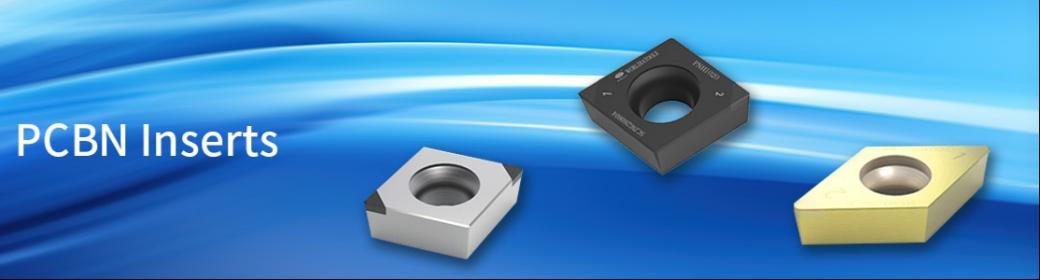
PCBN-Inserts(2)

What Happens to PCBN Turning Inserts During High-Temperature Hard Turning?

The Nature of High-Temperature Environments in Hard Turning

Hard turning is a skilled machining method that cuts tough materials at quick speeds. This process always creates intense heat in the cutting area. The rubbing between the tool and workpiece can raise temperatures over 800°C. As a result, it forms a very challenging thermal setting. In these situations, regular cutting tools often lose hardness or experience faster wear. But PCBN (Polycrystalline Cubic Boron Nitride) turning inserts are built to handle these raised temperatures. They keep their strength and results even when facing strong thermal pressures.

How PCBN Material Properties Respond to Elevated Temperatures

Cubic boron nitride (CBN) was first produced in 1957. It became a fresh kind of man-made superhard material. People know it as the second-toughest material after diamond. Its microhardness falls between HV8000–9000 for single crystals. For PCBN composites, it is HV2500–5000. This built-in hardness lets PCBN inserts hold their cutting edge at high temperatures. Carbide or ceramic tools would give out there.
CBN shows strong oxidation resistance. It does not oxidize even at 1000℃. Also, it avoids chemical reactions with ferrous materials at 1200~1300℃. These traits make sure that PCBN tools keep chemical stability and fight diffusion wear during hard turning jobs. On top of that, their good thermal conductivity aids in spreading heat well from the cutting zone. This lowers the chance of tool bending or thermal splitting.

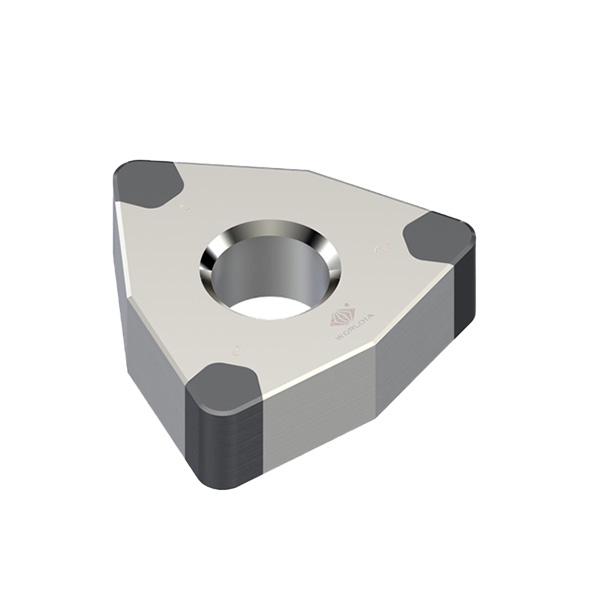
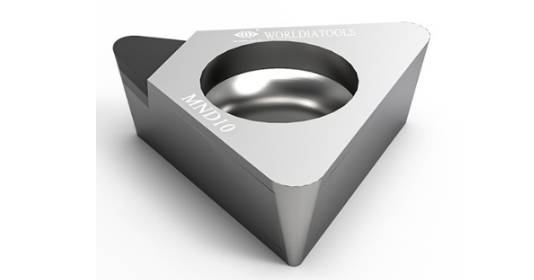
Solid-Tipped PCBN Inserts024

Why Do PCBN Turning Inserts Maintain Performance When Heat Rises?

Mechanisms Behind Thermal Resistance of PCBN Inserts

The great thermal toughness of PCBN inserts comes from their firm covalent bonding setup in cubic boron nitride crystals. This atomic layout offers better protection against softening under strong heat. Plus, the small chemical draw between CBN and ferrous materials cuts down diffusion wear. This is a usual problem when cutting toughened steels. The steady microstructure of PCBN also stops oxidation even after long heat contact. Therefore, it guarantees even results during steady or broken hard turning.

What Are the Wear Patterns Observed in High-Temperature Cutting?

At raised temperatures, usual wear types include flank wear, crater wear, and small edge chipping. Oxidation wear can happen under tough conditions. Yet, it advances much more slowly on PCBN tools because of their basic chemical stability. By using the right cooling methods—such as air blast setups—or choosing dry machining ways tuned for PCBN inserts, makers can stretch tool life further. At the same time, they keep size accuracy.

How Do Cutting Parameters Influence PCBN Insert Performance?

The Effect of Cutting Speed and Feed Rate on Tool Life

Cutting settings have a key part in deciding how PCBN turning inserts act under heat-heavy conditions. Faster cutting speeds often increase temperature levels. But they can better surface finish if handled well. On the other hand, too high feed rates bring mechanical pressure that speeds up edge wear. Fine-tuning both settings makes a good mix between output and tool length.
Suggested cutting conditions for Worldia Coated PCBN CNC Inserts indicate that PNH0120 fits for steady machining at speeds from 150–250 m/min. It uses feed rates of 0.03–0.2 mm/r. Such details highlight how exact setting choice directly affects tool steadiness during high-temperature hard turning.

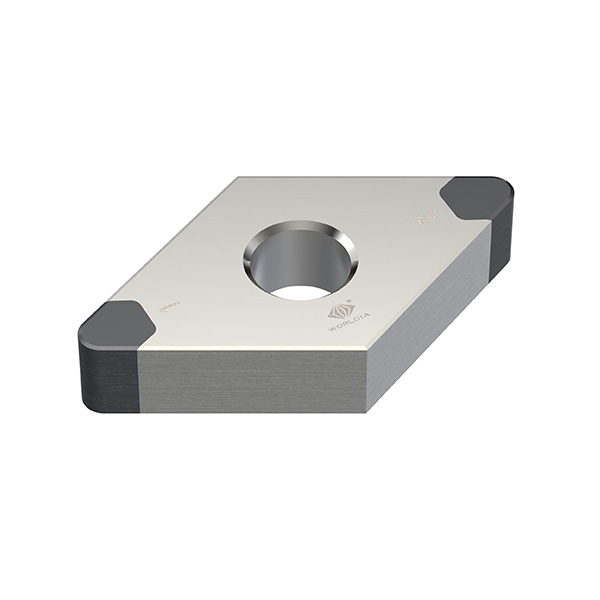
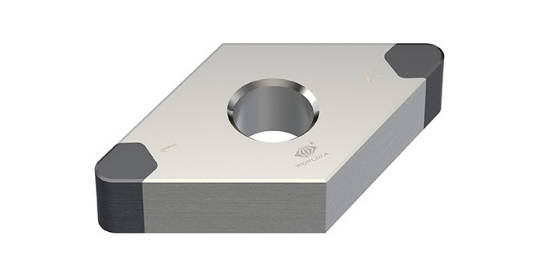
Solid-Tipped PCBN Inserts023

Does Workpiece Hardness Affect Thermal Behavior?

The toughness of the workpiece greatly changes the temperature creation during machining. Very hard materials like hardened steel make more frictional heat than softer metals. Still, PCBN inserts hold size accuracy despite these changes. This is due to their high red hardness and firm structure. Choosing the proper insert grade—such as Worldia’s PNH2018 or PNH3019, made for different break levels—is vital for getting steady results across various toughness levels.

How Can Manufacturers Optimize the Use of PCBN Inserts in Hot Conditions?

Strategies for Enhancing Tool Life in High Heat Environments

To get the best output when using PCBN inserts in heat-demanding uses, a few steps should be followed:

  • Use occasional cooling or air blast systems to deal with local heat areas.
  • Change the depth of cut to lessen thermal pressure on the cutting edge.
  • Apply exact clamping systems that ensure firm contact and cut down vibration-caused temperature rises.
    Tips for using PCBN tools include picking high-strength clamps and choosing larger handle sizes with little overhang. These actions together improve tool life by keeping mechanical firmness under strong thermal pressure.

What Are the Advantages of Dry Machining with PCBN Inserts?

Dry machining gets rid of coolant-linked dirt while using the natural thermal toughness of PCBN materials. For finishing hardened steels or cast irons where coolant might lead to thermal shock or tiny cracks, dry work gives cleaner outcomes and lowers harm to the environment.

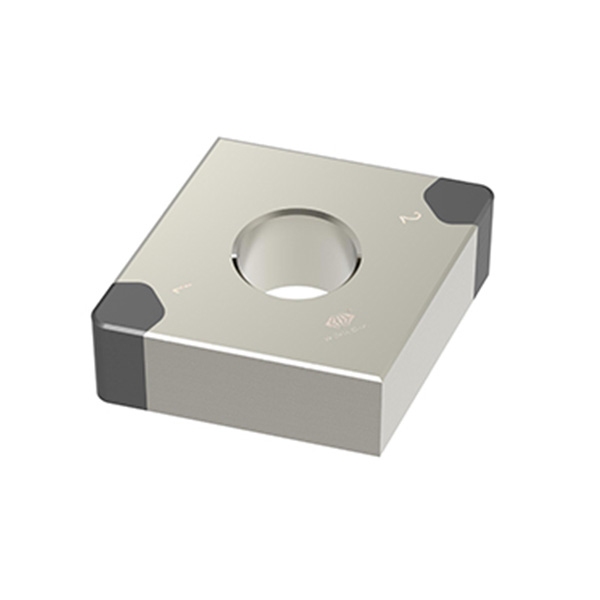
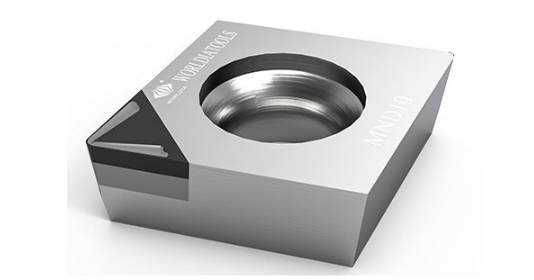
Solid-Tipped PCBN Inserts026

Worldia’s Contribution to Advanced Hard Turning Solutions with PCBN Inserts

Overview of Worldia’s Expertise in Superhard Cutting Tools

In the quickly changing manufacturing world, we promise to push forward our products and services to match your needs. At Worldia, we focus on building superhard cutting tools, including PCD, CVDD, MCD, and especially our improved line of PCBN inserts made for hard turning uses.
With ongoing technical progress, we have brought big changes in the design and making of PCBN, CVD, and PCD inserts. Our attention to exact engineering lets us offer dependable tooling answers fitted for fields like automotive, aerospace, energy equipment making, and mold building.

Key Features of Worldia’s PCBN Turning Inserts for High Temperature Operations

世界’s lineup has coated and uncoated grades tuned for both steady and broken hard turning jobs:

  • High CBN content grades are built for better hardness holding at raised temperatures.
  • Tuned edge setup improves chip handling and surface quality during hard turning.
  • Found in several shapes fitting for steady or broken cuts on hardened steels and cast irons.

Our coated types—such as those with C₂ films—boost heat toughness more by improving bond strength between layers. At the same time, they raise overall wear resistance. Use examples show that our PNH2018 insert reached a 160% rise in single-edge life compared with usual options when cutting automotive parts like CV joints at 160 m/min speed.

By adding advanced brazing methods and trackable serial ID codes to all products, we make sure of steady quality checks through the whole production.

FAQ

Q: What makes a PCBN turning insert suitable for hard turning at high temperatures?

A: PCBN inserts have great thermal stability, chemical non-reactivity, and hardness holding that let them to work well even above 800°C without much bending or diffusion wear.

Q: Can PCBN inserts replace carbide tools in all high-temperature applications?

A: Not every time—while they do better than carbide when cutting ferrous materials above 45 HRC due to higher oxidation resistance up to 1000°C and non-reactivity at 1200–1300°C—they may not be cost-saving for softer metals where carbide works fine.

Q: How can I extend the service life of a PCBN turning insert during hot machining?

A: Keep the best cutting settings in suggested speed ranges (e.g., 150–250 m/min). Also, ensure proper tool clamping with firm holders. Cut down vibration through even setups. Consider dry machining ways that make use of the natural heat toughness of CBN instead of relying heavily on coolants.

By mixing material science skills with exact engineering abilities from Worldia’s worldwide production sites certified under ISO standards (9001/14001/45001), makers can get top results even under extreme temperature settings seen in today’s hard turning processes.


ニュース分類

目次

    関連記事

    How Does a PCD Cutter Improve Cutting Efficiency in Non-Ferrous Material Machining
    先端PCDブレード035
    What-Are-Diamond-Dressers-and-How-Do-They-Work-in-Grinding-Wheel-Dressing-1
    PCDマイクロドリルWZ 3-1

    何を探していますか?

    クリックだけで次のテーマに移動します。

    検索