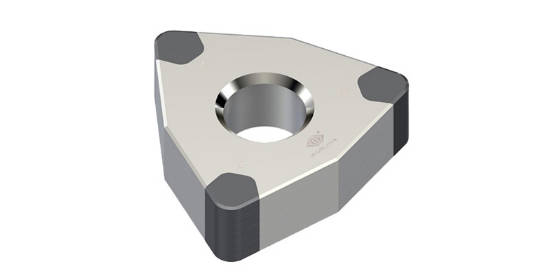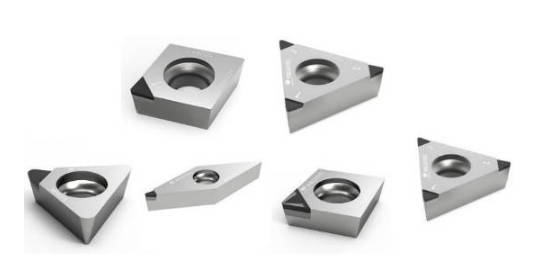

Machining tough parts with extreme accuracy requires much more than just a very hard cutting material. A good tool has to keep its sharp edge over time. It must also handle intense heat from cutting. Moreover, it needs to deliver the exact same dimensions for every single part in a batch. Solid CBN can meet these requirements in suitable ferrous-material applications. Compared with tipped PCBN inserts, solid CBN inserts can offer better impact resistance and wear resistance in demanding heavy-duty applications, making them particularly suitable for hardened steel, large ductile cast iron components, heavy-duty turning, and interrupted cutting. You see their true benefits when you look at the whole setup. This means treating the machine, the toolholder, edge preparation, cutting speeds, and the raw part as one complete system. Do not treat them as separate things to buy.
When Does CBN Make Sense for Precision Hard Machining?
Why Does Hardness Matter in a Monolithic CBN Insert?
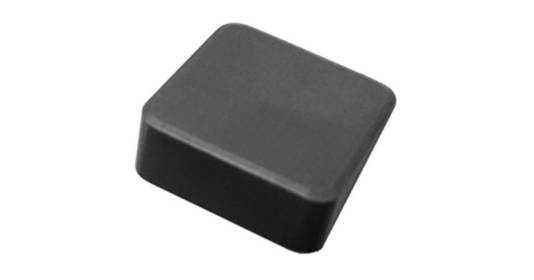
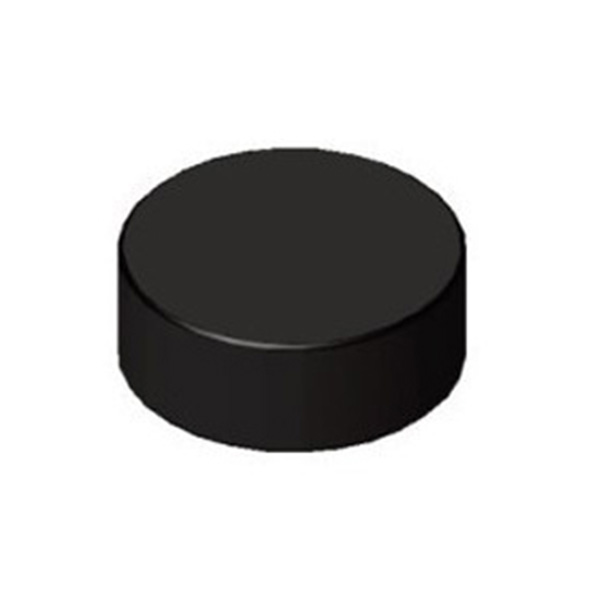
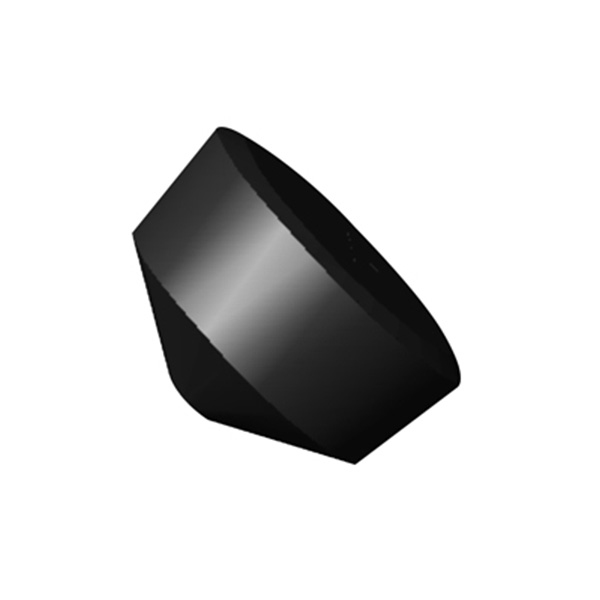
CBN stands out as one of the hardest cutting options on the market. Furthermore, polycrystalline CBN resists wear much better than standard carbide when you use it on the right hard metals. Compared with tipped PCBN inserts, solid CBN inserts have a monolithic structure that eliminates the brazed tip interface and can provide greater resistance to impact and wear under heavy cutting conditions. This strong resistance is very important. Slow wear on the tool flank can alter the cutting forces. It can also mess up the part size and ruin the surface finish. A wkładka z litego CBN offers a large area for cutting. It also gives you several chances to rotate the tool, based on its shape. The real advantage here is not just raw hardness. Instead, it is the tool’s power to keep a steady, sharp edge while cutting hardened steel, tough cast iron, or similar iron-based metals, especially during heavy-duty turning and large stock removal.
Still, your final choice relies heavily on the workpiece itself. Things like uneven hardness, leftover scale, and hidden impurities matter a lot. Gaps in the metal and leftover material to be cut will also shift the stress on the cutting edge. Because of this, you should test the tool material on the actual physical part. Do not pick a tool just by looking at a chart of hardness numbers.
How Does Thermal Stability Affect Ferrous-Material Machining?
Hard turning builds up a lot of heat right at the cutting spot. CBN brings together excellent hardness at high temperatures and thermal stability and lower chemical affinity with ferrous materials than diamond at cutting temperatures. These unique traits help the cutting edge stay sharp and work well. In contrast, diamond tools normally fail here because diamond reacts badly with iron. If your process runs smoothly, the metal chips will carry the heat away. You will not have to rely only on cutting fluid to cool things down.
However, you do not always have to cut dry. If you decide to use a cooling fluid, you must apply it evenly. Spraying fluid on and off causes the tool edge to heat up and cool down too fast. This rapid change can break the tool. The best method depends entirely on your specific part. You must look at how smooth the cut is and check the machine cover. You also need to review your surface finish goals and follow a tested set of running rules.
How Does CBN Support a Controlled Hard-Turning Process?
How Do Rigidity, Clamping, and Runout Protect Accuracy?
A solid CBN insert for hard turning cannot fix a weak or loose machine setup. You need to keep the tool stick-out short. You also need a stiff holder and a tightly locked insert. Good support for the metal part is vital too. These steps cut down on shaking and stop sudden shocks to the tool edge. Spindle wobble and how well the tool locks into the exact same spot matter deeply. Even a tiny mistake in seating the insert will move the cutting point. If that happens, you will have to adjust your machine settings every single time you change the tool.
Engineers need to check the tool pocket and the clamping parts carefully. They should also look at the insert faces, the holder’s health, and how the spindle spins. Do all this before blaming the cutting tool for bad part sizes. Parts with thin walls require extra care. Strong clamping forces can easily bend these thin parts before the cutting even starts. You must have a solid starting point and a reliable way to measure parts. This is the only way to tell normal tool wear apart from a shifting fixture or metal expanding from heat.
When Is Edge Preparation More Important Than Nominal Grade?
How you prepare the edge decides how the cutting pressure hits the insert. A very sharp edge lowers this pressure and helps create a fine surface finish. However, a sharp edge breaks and chips much more easily. On the other hand, a rounded or angled edge adds a lot of strength. Combined with the monolithic structure of solid CBN inserts, proper edge preparation can improve resistance to impact and chipping during interrupted cutting and heavy-duty turning. Yet, it can push the cutting pressure too high if the edge is too thick for the amount of metal you are removing. The best PCBN choice balances edge strength with a great surface finish and a smooth, steady cut.
You must test cutting speed, feed rate, and cut depth at the same time. A very shallow cut might just rub uselessly against a thick edge. Meanwhile, trying to cut too much metal at once will overwhelm the tool. You should run careful tests and write down the wear shapes. Keep track of the part sizes and the final surface look. Also, note the cutting pressure or spindle strain, and count how many good parts you make. Do not just look at how many hours the tool lasts.
Where Are Monolithic CBN Inserts Most Valuable?
Which Hardened-Steel and Cast-Iron Machining Tasks Benefit Most?
Hard-turned bearings, gear parts, shafts, sleeves, molds, and exact holes are great matches for this tool. That is true as long as the metal and the setup are right. Tough cast iron, especially large ductile cast iron components, and certain powdered metal parts can see good results too. Solid CBN inserts are particularly suitable for heavy-duty turning, large stock removal, and interrupted cutting, where their superior impact resistance and wear resistance compared with tipped PCBN inserts can help maintain stable cutting performance. However, you must check them carefully because of their tiny holes, hidden dirt, and broken surfaces. Solid CBN inserts really shine here. Their strong, steady edge helps you lock in the right size and a smooth finish. This means you can often skip a slow, extra grinding step later.
This fact does not mean hard turning should always replace grinding. You might need perfect shapes or a flawless surface structure. Extremely tight limits on size and the nature of the hard metal layer often make grinding the better choice. Sometimes, a mix of both methods works best. When picking tools, always look at what the final part needs first. Then, work backward to choose the right machine and the best cutting plan.
How Should Buyers Measure Repeatability and Surface Finish?
A good test checks much more than just the single best part you make. Your team needs to watch the size trends over time. They must track surface roughness and how fast the edge wears down. Also, record the time it takes to change tools and how often you must adjust the machine settings. Look at the risk of making bad parts and count how many parts stay within the rules. The final goal is a steady, reliable working range. You do not just want one lucky, perfect result.
When you compare costs, look at the price to make one good part. You must also see how tool changes steal time from the machine’s working hours. CBN tooling might cost more upfront. However, it pays off when steady wear and easy tool flips save you from stopping the machine. In heavy-duty turning and large stock removal applications, the improved impact resistance and wear resistance of suitable solid CBN inserts compared with tipped PCBN inserts can also help reduce tool changes and improve machining efficiency. Even so, you must prove this fact by running tests on your own actual parts.
How Should Buyers Evaluate CBN Insert Suppliers?
What Manufacturing and Traceability Evidence Should Be Checked?
Trustworthy solid CBN insert manufacturers must clearly explain how they pick their materials. They should show how they make the edges and check the sizes. They also need to prove how they control their batches and track their products. Buyers have to make sure the maker delivers the same edge shape and tool size every single time they order. These strict checks offer much more value than an unsupported claim that one tool type cuts every hard metal.
W Worldia, we combine the making of super hard tools with clear production logs. We also maintain a tight grip on key steps in the factory. This setup helps you dig deep if you ever need to track down a bad batch, a weird edge, or a strange cutting result. Still, you should always evaluate us at Worldia based on your part drawings. Compare our proposed tooling with your machine’s health and the strict rules for your actual metal part.
How Does Application Support Reduce Qualification Risk?
Good technical help is worth a lot. It takes your part details and turns them into solid advice you can actually test. The tool seller needs to study your metal type and its hardness. They must look at how smooth the cut is and how much extra metal is there. They should also check machine stiffness, your cooling method, the finish you want, and how your current tools fail. After that, a solid test plan will lay out exactly how to start and when to stop.
At Worldia, we help guide this testing phase. We provide PCBN material and edge options that are selected for your specific job. The best result here is a clear, written set of running rules. Your factory workers can easily follow these rules every day. This is much better than a hollow promise about top speeds or endless tool life.
Często zadawane pytania
Q: Is CBN Suitable for Every Hardened Material?
A: No, it is not. You should mostly use it for the right iron-based hard metals. You have to check the metal makeup and the exact hardness. You must also look for hidden dirt in the metal, check if the cut is steady, and review the required surface quality.
Q: Should CBN Be Used for Roughing or Finishing?
A: People mostly link CBN to finishing work and careful hard turning. However, solid CBN inserts are also well suited for heavy-duty turning, roughing, large stock removal, and interrupted cutting of hardened steel and large ductile cast iron components. Compared with tipped PCBN inserts, suitable solid CBN grades can offer better impact resistance and wear resistance under demanding cutting conditions. To achieve these benefits, you need the right tool grade and strong edges. You also need the correct amount of metal to cut and a very stiff machine. Any tests you run must match your actual daily work exactly.
Q: What Should Be Confirmed Before Selecting a Supplier?
A: You need to check their material choices and edge-making skills first. Make sure their sizes stay the same every time. Look for good product tracking and strong technical support. You also want clear test rules and strict checks on repeat orders. The tool seller must link their advice directly to your specific part. They should never just point to a broad metal group.