
What Makes Solid CBN Inserts Essential in Hard Turning?
ソリッドCBNインサートは、他の切削工具とどのように異なるのですか?
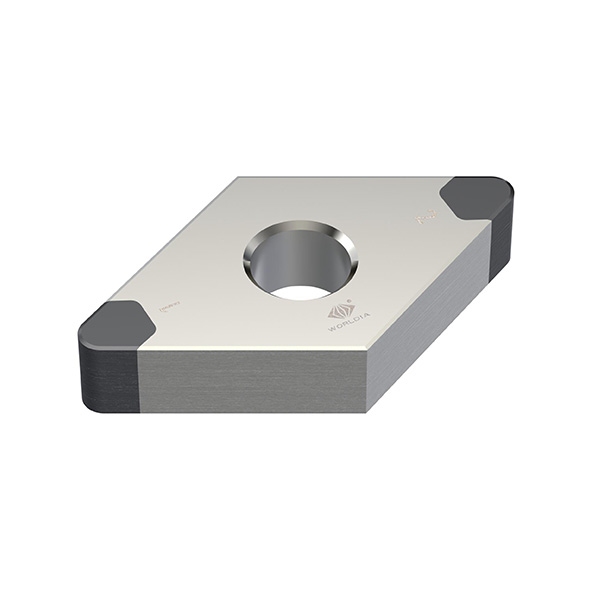
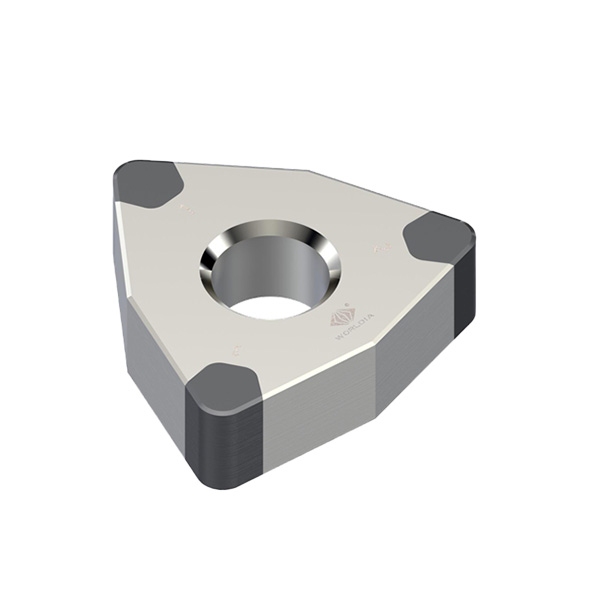
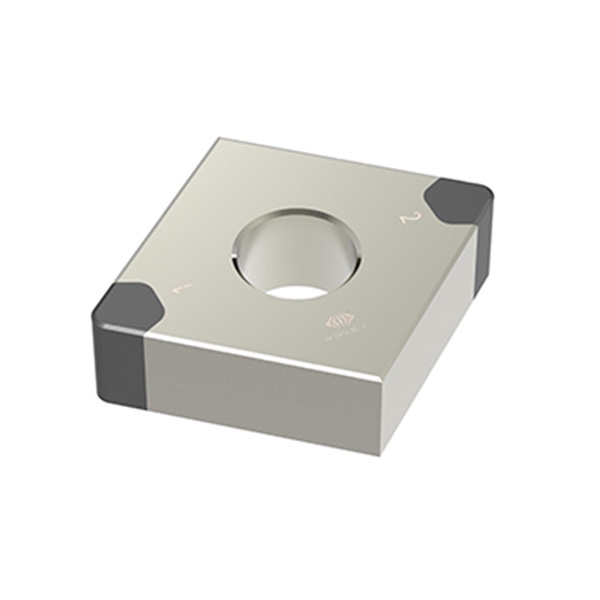
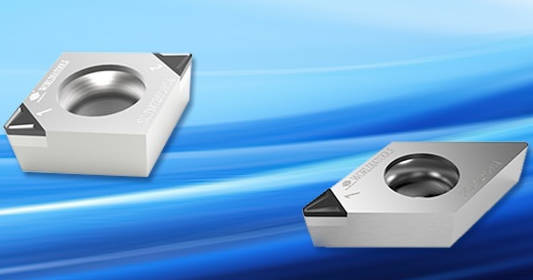
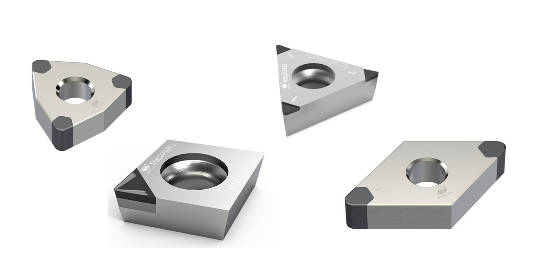
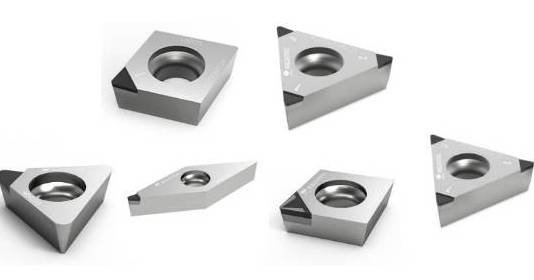
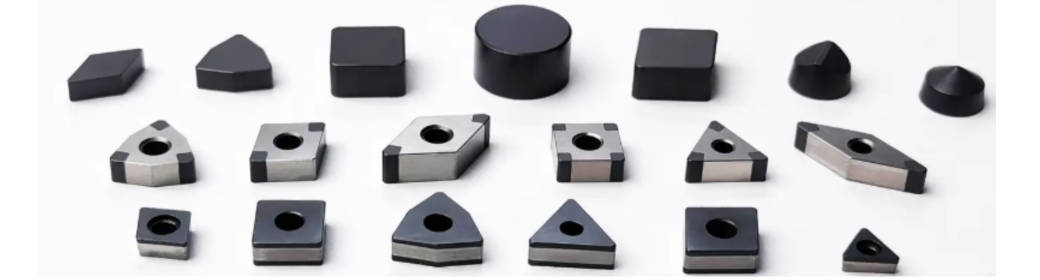
ソリッドCBNインサート are made entirely of cubic boron nitride. This material ranks as the second-hardest known substance after diamond. Single-crystal CBN has a microhardness of approximately HV 8,000–9,000. This full-body makeup gives solid CBN inserts strong hardness and good heat stability. Other tools like coated or tipped carbide tools cannot match this level.
Coated or brazed inserts rely on a thin surface layer for wear protection. Solid CBN inserts maintain consistent performance all the way through. The result is steady wear resistance and reliable tool life during fast machining work.
Why Are They Preferred for Consistent Results in Hard Turning?
The uniform makeup of solid CBN inserts creates predictable wear and accurate dimensions. These traits matter for steady results in hard turning. Stable cutting conditions reduce vibration and surface flaws that often appear when working with hardened steels. The inserts stay sharp for longer periods. This reduces the need for frequent tool changes and lowers downtime while raising overall efficiency.
CBN has excellent oxidation resistance. It does not oxidize even up to 1000°C. It also stays chemically stable against ferrous materials up to 1200-1300℃. For this reason, CBN tools often run in dry cutting mode. This gives CBN a clear edge when machining ferrous metals. Solid CBN inserts keep quality high even without coolant and deliver reliable output across large production batches.
How Do Solid CBN Inserts Enhance Machining Performance?
What Are the Key Performance Advantages in Hard Turning Applications?
Solid CBN inserts bring several benefits that improve machining performance. Their strong heat resistance supports dry machining at higher speeds while the tool stays intact. High wear resistance lengthens tool life even during tough conditions such as interrupted cuts or abrasive surfaces. Lower cutting forces result in smoother finishes and tighter tolerances. These qualities matter in sectors like automotive, aerospace, and energy.
At Worldia, we add advanced coating methods to our CBN tooling. The coatings improve heat removal and edge stability. Materials such as hardened steel, cast iron, and powder metallurgy parts need tools with the right grades and shapes. This approach helps customers reach better surface finishes with less extra work.
Solid CBN inserts are mainly used for machining hardened steel and high-strength ductile iron. With the proper grade and edge preparation, they are especially suitable for heavy-duty cutting, large-allowance machining, severe interrupted cutting, and large-size workpieces that demand high wear resistance, thermal stability, and reliable tool life.
How Do Material Properties Influence Cutting Stability?
The natural hardness of cubic boron nitride limits deformation during cutting. Its good thermal conductivity moves heat away from the cutting area and protects both the insert and the workpiece. Its chemical stability also stops reactions with ferrous materials. This keeps the edge sharp across many cycles.
These traits make solid CBN inserts suitable for jobs that need long-term dimensional stability under heavy stress. When paired with optimized CBN grooving tools or threading solutions from 世界’s product line, manufacturers gain both precision and higher output in demanding settings.
What Factors Affect the Consistency of Hard Turning Results?
How Does Tool Geometry Contribute to Surface Quality?
Tool geometry affects surface finish quality during hard turning. Good edge preparation reduces built-up edge. Well-chosen rake and clearance angles improve chip flow. Balanced geometry keeps the insert steady against hardened materials and lowers chatter marks on finished surfaces.
Finishing tools face high cutting resistance. They work best on rigid machine tools and workpieces. The design supports clean chip removal even under heavy loads.
What Role Do Cutting Parameters Play in Achieving Uniform Results?
Choosing the right cutting speed, feed rate, and depth of cut helps keep tool wear even across production runs. Proper settings avoid thermal cracks or early failure from excess heat. When users match parameters to each material grade, they gain repeatable accuracy during mass production.
Choosing a cutting fluid for hard turning requires steady flow and control of workpiece heat. Most solid CBN jobs run dry, so correct parameter choice becomes even more important for uniform results.
Why Are Solid CBN Inserts a Cost-Efficient Choice for Precision Machining?
How Do They Reduce Overall Production Costs?
Longer tool life means fewer replacements and lower stock costs. Solid CBN inserts run reliably over long periods. This cuts interruptions from tool changes and raises machine uptime and output. Stable performance also lowers rework or scrap caused by size errors.
At Worldia, we have shown through several industrial cases that our CBN tooling solutions can extend tool life by up to 160 percent versus standard options when cutting hardened steel parts such as gears or shafts.
In What Ways Do They Support Sustainable Manufacturing Practices?
Solid CBN inserts support sustainable manufacturing because they allow dry machining. This removes coolant use and cuts both environmental impact and running costs. Longer tool life reduces waste from frequent replacements. Energy-efficient cutting also lowers power use over time.
Worldia’s Contribution to Hard Turning Solutions with Solid CBN Inserts
WorldiaのソリッドCBNインサートが他社製品と一線を画す点とは?
Worldia creates solid CBN inserts for precision hard turning in many fields. These include automotive transmission parts, aerospace alloys, medical devices, and energy components. The Chinese tool maker Worldia focuses on applications that need high precision, process reliability, and cost control. The range covers mobility, aerospace, medical, energy, electronics, and tool and mold making.
Our products use micro-grain structures that improve toughness without losing hardness. We reach this through advanced sintering with equipment from top makers in Switzerland and Japan. Every insert passes strict checks to ensure consistent edge quality for both continuous and interrupted cuts under different loads.
How Can Worldia Products Improve Industrial Efficiency?
Our insert shapes give stable results in both continuous finishing passes and heavy interrupted work such as gear hubs or bearing seats. Longer tool life shortens maintenance time and supports lean manufacturing targets. Our technical teams also offer clear advice on grade selection for specific materials. This helps customers gain the best return on investment for each job.
With a clear focus on precision and new ideas, we specialize in cutting tools and diamond functional materials. We apply this knowledge at every step from design to after-sales support. The approach helps clients simplify their machining processes and reach strong consistency with our solid CBN inserts for hard-turning applications.
FAQ
Q: Can solid CBN inserts be used on all types of hardened steel?
A: They work well on most hardened steels above 45 HRC. They are less effective on soft or ductile materials where carbide options could suit the job better.
Q: How do I choose between solid CBN and tipped CBN inserts?
A: Pick solid versions when high-volume production or steady precision matters most. Tipped versions can work for interrupted jobs where cost control matters more than continuous performance.
Q: What maintenance practices extend the life of solid CBN inserts?
A: Follow the recommended cutting parameters. Keep the workpiece clamped firmly. Remove chips often. Check edges before each use. Limit vibration. These steps help extend the durability of CBN tooling systems in modern machining lines.